Tired of waking up at 1 AM feeling wide awake and restless? This blog shares a compassionate, flexible approach to building a personal bedtime ritual that works with your real life—not against it. Learn how to wind down, sleep better, and create small shifts that support long-term rest and recovery.

Create Your Personal Bedtime Ritual_ A Realistic Approach to Better Sleep cover.

Create Your Personal Bedtime Ritual: A Realistic Approach to Better Sleep

Have you ever found yourself wide awake at 1 AM, hungry and restless, wondering why your body won’t cooperate with your desire for sleep? I’ve been there too. Last summer, I experienced a frustrating pattern of waking up in the wee hours of the night soooo hungry and wide awake, leaving me exhausted the next day the day—despite doing the “right” things according to standard sleep advice each night (no caffeine in the afternoon, creating a dark room, no liquids after 7 PM, no food right before bed—we know the drill).

What I discovered through this challenge became a turning point in my approach to sleep: creating a consistent bedtime ritual—not a rigid routine (this is a world with parties, kids, and summer nights where it’s light until 10:00 PM in Minnesota in June after all!)—is my key to a great night of sleep.

This post includes affiliate links. I do earn a commission for products purchased using these links (at no additional cost to you). Thank you for supporting PILATESBODY by Kayla, making the content you see on this blog possible.

Why Sleep Matters More Than You Think

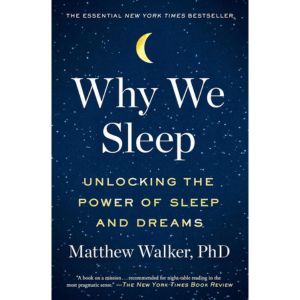
In his groundbreaking book, Why We Sleep, neuroscientist Matthew Walker reveals that the quality of our sleep affects virtually every aspect of our wellbeing—from immune function and metabolism to emotional regulation and cognitive performance on a daily basis.

“Sleep is the greatest legal performance-enhancing drug that most people are probably neglecting.” — Matthew Walker, Why We Sleep

Research consistently shows that adequate sleep (7-9 hours for most adults) supports immune function, emotional regulation, and cognitive performance. For busy women juggling careers, family responsibilities, and exercise, sleep becomes not just a luxury but a foundation for showing up as your best self—both in daily life and during your workouts.

How to create a bedtime ritual for better sleep.

Creating Your Personal Bedtime Ritual

After experiencing significant personal and work-life stress last year, I discovered the power of having a simple evening ritual: one or two actions you can take to support your good night’s sleep. For me, it’s checking in with my hunger cues (and having a snack if needed), taking a hot shower, and reading a book. These practices became my anchor in the midst of challenge.

What I love about this approach is that these habits aren’t dependent on being in a specific location—they create a consistent signal to my nervous system that it’s safe to unwind, whether I’m at home, traveling for work, or staying at a friend’s house. While Matthew Walker emphasizes in “Why We Sleep” that consistent sleep and wake times help strengthen your circadian rhythm, I’ve found that having flexible rituals works better for my real life than rigid schedules.

Your bedtime ritual serves as a powerful transitional space between daytime demands and restful sleep, whether you’re at home or traveling abroad. My current ritual includes:

  • Putting my phone in the kitchen to charge
  • Checking in with my hunger cues + eating a light snack if I’m hungry
  • A hot shower with deep breathing
  • Changing into comfortable sleepwear
  • Reading a physical book instead of scrolling
  • Resting in a cool, dark sleeping environment

These consistent cues help my body recognize that it’s time to shift from “doing” mode to “resting” mode, no matter what city I’m in or how my day unfolded.

A bedtime ritual may include reading a book before going to sleep.

Screen-Free Evenings: My Experiment + Results

After the success of my 10-day experiment avoiding my phone for the first 30 minutes after waking (which led to an 11% reduction in overall screen time), I experimented with putting my phone in the kitchen to charge at 9 PM for 7 days.

The result? The experiment failed in the first few nights because my evening plans often had me out of the house past 9 PM. Through this experience, I discovered that having a flexible evening ritual was more effective for me than a strict “phone-free” time at night. Research shows that blue light from electronic devices can suppress melatonin production, but what matters most is finding an approach that works with your lifestyle rather than against it.

Now I’m more mindful of setting my screens down as soon as it’s feasible each day, whether I’m at home or traveling, to protect my energy and mental performance for the following days.

Simple Practices to Start Tonight

When I asked my Instagram community how they avoid morning scrolling, their answers were refreshingly honest and practical:

Ready to experiment with your own sleep ritual? Here are three simple sleep habits to try:

The Phone Swap: After you plug in your phone to charge, place a book or journal where you’d normally put your phone, then give yourself a little mental “woohoo!” to celebrate.

The Temperature Drop: After you turn down your bed covers, open a window to create a cool sleeping environment (research shows cooler bedroom temperatures promote better sleep), then smile + take one deep, satisfied breath.

The 60-Second Calm: After you lie down in bed, place one hand on your heart and one hand on your belly and take three intentionally slow breaths. This activates your body’s relaxation response, which promotes rest.

Start with the two small changes that feel easiest and most helpful to you tonight.

A woman sleeping with a white sheet pulled up over her eyes.

FAQ: Common Sleep Questions Answered

What if I can’t fall asleep even after creating a bedtime ritual?

Give your new routine time to become established—building new habits can take months to fully solidify. If you’re still lying awake for more than 20 minutes, consider getting up and doing a quiet, non-stimulating activity until you feel sleepy again. This prevents your bed from becoming associated with frustration.

Is it okay to eat before bed if I’m hungry?

Yes! Going to bed hungry can actually disrupt sleep. Choose a light snack that includes protein and complex carbohydrates, like Greek yogurt with berries or a small handful of nuts. Avoid large meals within 2–3 hours of bedtime.

How important is the timing of my bedtime ritual?

Consistency matters more than the exact time. If your schedule varies, aim to start your ritual at least 30–60 minutes before you want to be asleep, regardless of the clock time.

What if I have to use my phone for work or family reasons in the evening?

Life happens! If you must use your phone, consider using blue light filters or keeping the screen dimmed. The key is being intentional rather than mindlessly scrolling.

Can I still have caffeine if I follow good sleep hygiene?

Most people can enjoy caffeine in the morning and early afternoon. Sleep experts generally recommend avoiding caffeine 8-10 hours before bedtime for optimal sleep quality, since caffeine can stay in your system longer than many people realize. Everyone’s sensitivity varies, so pay attention to how your body responds.

A Compassionate Approach to Sleep

I want to acknowledge that sleep challenges can be complex and deeply frustrating. Many people struggle with insomnia despite trying every recommendation, and the anxiety around sleep difficulties only compounds the problem.

If you’re in this situation, please know that you’re not failing at sleep. Rather, your body is communicating something important. You may need support beyond sleep hygiene tips—factors like chronic stress, hormonal changes, or underlying health conditions can significantly impact sleep quality.

Having walked with loved ones experiencing chronic insomnia, I’ve observed how difficult this journey is, and how important compassionate listening and care from your community becomes. While the practices shared here can help many people improve their sleep quality, please don’t hesitate to reach out to your doctor or therapist for guidance in caring for yourself well through persistent sleep challenges.

Bedtime Ritual Must-Haves (Amazon Favorites)

If you’re ready to create your own bedtime ritual, these products can support the transition from busy days to restful nights. Each one is designed to help signal your body and mind that it’s time to unwind and sleep deeply.

Small Shifts, Restful Nights

The path to better sleep often isn’t found through dramatic changes or perfect adherence to sleep hygiene “rules.” It’s cultivated through small, intentional shifts that honor your body’s unique needs and gradually build more supportive sleep rhythms—whether you’re in your own bed at home or sleeping in a hotel room across the country.

Whether it’s creating a simple bedtime ritual or starting one tiny pre-sleep habit, the key is not perfection, but practice and self-compassion.

If you’re curious about creating sustainable sleep practices or developing other wellbeing habits that actually work with your real life, I’d love to help you explore what might work best for you.

Book a complimentary 30-minute consultation →

About the Author

Cally Reed is a National Board Certified Health Coach (NBC-HWC) specializing in helping busy professionals create sustainable wellbeing practices. Through her practice, Gradual Shifts, she helps clients reconnect with their body’s wisdom to prevent burnout and build resilience that lasts.

Free 28-Day Prenatal Pilates Challenge

4 weeks of pregnancy-safe at home Pilates workouts for every trimester to strengthen your core, pelvic floor, and total body during your pregnancy. Download your Free Pilates Workout Calendar PDF to get started today!

Free 28-Day Prenatal Pilates Challenge YouTube for Every Trimester Strong Mama Workouts Pilates Body by Kayla

Free 28-Day Prenatal Pilates Challenge

4 weeks of pregnancy-safe at home Pilates workouts for every trimester to strengthen your core, pelvic floor, and total body during your pregnancy. Download your Free Pilates Workout Calendar PDF to get started today!

Leave a Reply

pilatesbody-by-kayla-brugger-pilates-instructor-private-studio-workout-programs-online-classes-long-lake-minnesota-minneapolis

Hi, I'm Kayla Brugger. Certified Pilates Instructor & Minnesota Mama of 2.

More About Me

Pilates Programs

YouTube Workouts