Curious about cold plunging? This beginner’s guide breaks down what it is, why it works, and how you can start at home—even on a budget. Whether you’re seeking better recovery, mental clarity, or a daily reset, a few minutes in cold water can deliver big results.
Ready to Try Cold Plunging A Beginner’s Guide to Doing It Right cover.

Ready to Try Cold Plunging? A Beginner’s Guide to Doing It Right

Cold plunging has quickly become one of the most talked-about wellness trends—and it’s easy to see why. Whether you’re looking to speed up recovery after a workout, sharpen your mental focus, or simply build more resilience, this ancient practice is making a serious comeback in the modern wellness world.

As someone who’s always testing ways to feel better, recover faster, and stay grounded—especially after long walks, tough workouts, or chaotic days with kids—I’ve found cold plunging to be one of the simplest and most powerful tools in my routine. In this guide, I’ll walk you through what cold plunging is, how to do it safely at home, and why even just a few minutes a week can deliver major benefits for both your body and mind.

This post includes affiliate links. I do earn a commission for products purchased using these links (at no additional cost to you). Thank you for supporting PILATESBODY by Kayla, making the content you see on this blog possible.

What Is Cold Plunging?

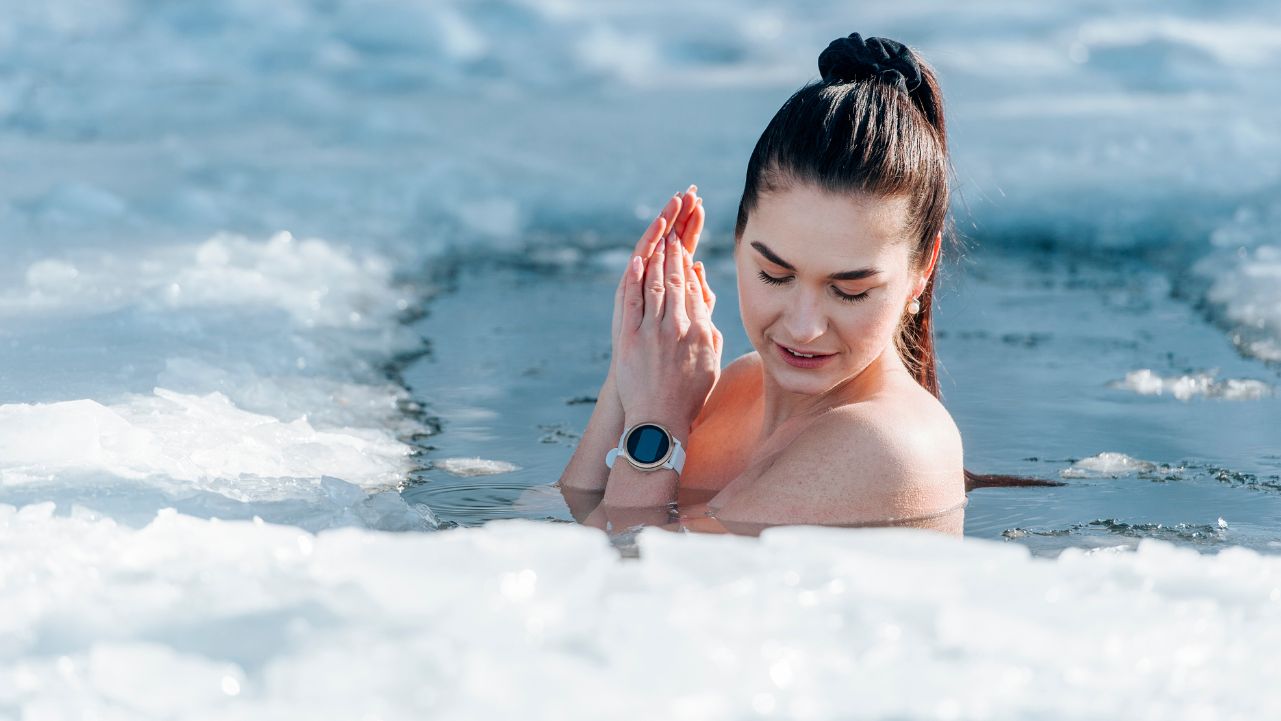
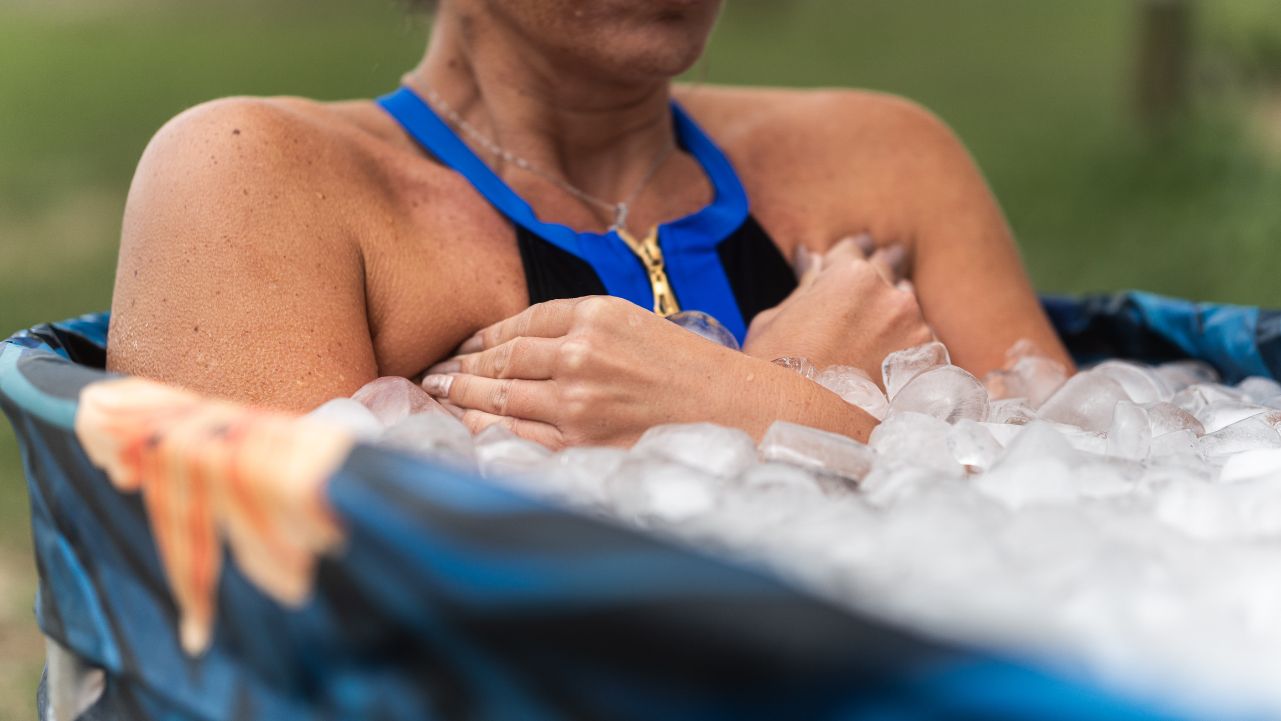
Cold plunging is a form of cold water immersion therapy where you submerge your body in water ranging from 39°F to 55°F for a short period of time. Cold therapy dates back to ancient Roman baths and to Scandinavian winter swims. Humans have long embraced the invigorating effects of cold water exposure.

Today, cold plunging has surged in popularity thanks to athletes, wellness enthusiasts, and researchers highlighting its wide-ranging benefits. Unlike a quick cold shower or ice bath after a sports game, a true cold plunge typically involves full-body immersion in water at or below 55°F.

Pilatesbody by Kayla cold plunging.

The Benefits of Cold Plunging

Cold plunging isn’t just for athletes—it offers a wide range of physical and mental benefits for anyone. From speeding up recovery to strengthening your mindset, even a few minutes of cold water exposure can make a noticeable impact.

  • Speeds up recovery: Cold plunging after a workout can significantly reduce inflammation, muscle soreness, and exercise-induced damage. The cold constricts blood vessels, which helps flush out waste products like lactic acid. Once you warm back up, your circulation rebounds, delivering oxygen and nutrients to muscles to accelerate repair.
  • Boosts alertness and energy: The shock of cold water rapidly increases the production of norepinephrine and endorphins, which heighten alertness, improve mood, and leave you feeling more energized and focused for hours.
  • Builds mental toughness: Every cold plunge is a test of willpower. Choosing to step into discomfort—and stay there—strengthens your mental resilience. With consistent practice, you’ll find it easier to regulate your emotions, stay present under pressure, and respond more calmly to everyday stressors. Neuroscientist Dr. Andrew Huberman explains that cold exposure activates the prefrontal cortex—the part of the brain responsible for focus, decision-making, and emotional regulation. This activation helps train your nervous system to better manage stress, ultimately improving your ability to stay calm in challenging situations (Huberman Lab Podcast, Episode 66).
  • Supports immunity and circulation: The repeated constriction and dilation of blood vessels during cold exposure acts like a workout for your circulatory system. Some studies suggest it can increase white blood cell count and improve immune surveillance, which may help your body defend against illness more effectively. You may also notice better circulation in your hands and feet over time.

According to Dr. Susanna Søberg, a leading researcher in cold exposure, “Just minutes of cold exposure a few times a week could improve insulin sensitivity, activate brown fat, and lower stress.”

Cold Plunging After a Workout

Cold plunging has become a go-to recovery tool for many fitness enthusiasts—but when and how you use it depends on the type of workout you’ve done. According to the Mayo Clinic Health System, “Research on cold-water immersion has found evidence that it helps reduce the degree of exercise-induced muscle damage that can occur after physically challenging activities. Less damage leads to less inflammation, which in turn reduces soreness and helps restore physical performance the next day.” However, the timing and type of workout matter.

Personally, I love cold plunging after a lower body workout, long walk, a walking pad workout, or hike. It’s the perfect way to refresh my body and boost circulation after being on my feet for miles. It leaves me feeling recharged, mentally clear, and so much less stiff the next morning.

Here’s how to time your cold plunges based on your workout:

  • For cardio or high-rep endurance workouts: Cold plunging immediately after these sessions can significantly reduce muscle soreness and inflammation, helping you feel fresher and more recovered the next day.

  • For strength training: If building muscle is your main goal, it’s better to wait a few hours before plunging. Immediate cold exposure may blunt the natural inflammatory response that supports muscle growth.

  • Timing tip: Aim to plunge within 30–60 minutes after workouts for optimal recovery, unless you’ve just finished a heavy lifting session—then, give your muscles a little time before diving in.

A beginner's guide to cold plunging.

How to Set Up a DIY Cold Plunge at Home

You don’t need to spend several thousands of dollars on a spa tub to get started. Here are simple, affordable ways to create a cold plunge setup at home.

Stock tank or water trough (under $200)

One of the most popular and affordable DIY setups is a galvanized steel or plastic stock tank (typically 100–150 gallons).

  • How to do it: Fill the tank with tap water from a hose and add bags of ice (start with 40–60 lbs) to bring the water temperature down to around 50–55°F.
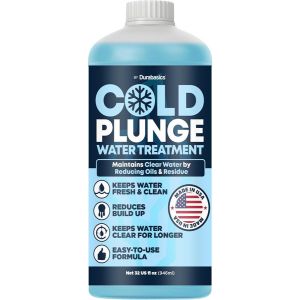
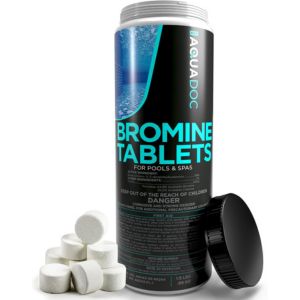
  • Tip: Use a waterproof tarp to keep debris out if you’re wanting to save the stock tank water for multiple days. Also, use brominating concentrate, a common hot tub sanitizer, to keep the water fresher for longer.

Chest freezer ($500)

If you want a more permanent solution, many cold plunge enthusiasts convert chest freezers into cold tubs. The chest freezer provides insulation and temperature control, allowing you to regulate the temperature in between uses.

How to do it:

  • Seal interior seams with waterproof silicone caulk to prevent leaks. You’ll also need to caulk around the drain plug without sealing the plug shut.
  • Once sealant dries, use Flex Seal or a similar alternative to cover the interior of the freezer.
  • Fill with water and set the freezer on a timer (to prevent freezing).
  • Use an external temperature controller to monitor water temperature.

Important: Always unplug the unit before getting in for safety.

Portable or Collapsible Ice Bath Tubs

These portable tubs are lightweight, foldable, and often come with insulation. Great for small spaces or for taking your plunge on the go.

How to do it:

  • Fill with water and add ice just like with a stock tank. Some models hold temp longer due to insulated walls.

For more detailed build instructions, material lists, and setup inspiration, check out this helpful DIY cold plunge guide from Garage Gym Reviews.

Must-Have Gear for a DIY Setup:

Ready to Try Cold Plunging A Beginner’s Guide to Doing It Right cover.

Is It Worth Splurging on a Standalone Cold Plunge or Chiller?

If you’ve been loving your cold plunge routine and are ready to upgrade from the DIY setup (hello, daily ice runs), you might be eyeing a standalone tub or plunge system with a built-in chiller. These premium options take the guesswork out of temperature control and allow for consistent, clean plunging without the hassle. While they can cost anywhere from $1,000 to $5,000+, they’re a game-changer if cold exposure has become a regular part of your recovery or mental wellness routine. A chiller is especially worth it if you live in a warmer climate, want to avoid constantly adding ice, or plan to plunge daily without refilling water. Just make sure the model you choose is energy-efficient and easy to maintain.

Tips to Make Cold Plunging a Consistent Habit

The hardest part of cold plunging isn’t the initial shock—it’s showing up again tomorrow. Like any wellness habit, consistency is what delivers long-term results.

Start Small

Start with 30 seconds. Gradually increase your time by 15–30 seconds every few days as your tolerance builds. The goal isn’t to suffer—it’s to train your nervous system and build resilience over time.

Use Breathwork to Stay Calm

The first instinct when you hit cold water is to panic and gasp—but controlling your breath is the secret to staying grounded. Practice slow, nasal breathing or try box breathing (inhale 4 seconds, hold 4, exhale 4, hold 4) to calm your mind and regulate your response. Breathwork transforms the experience from a shock to a mindful challenge.

Track Your Progress

Logging your plunges helps build momentum and track improvements. Record how long you stayed in, the water temperature, and how you felt before and after. Use a cold exposure journal to stay motivated and recognize your growth.

Make It a Morning Ritual

Plunging first thing in the morning sets the tone for your day. The cold water immersion gives the brain a rush and triggers a flight or fight response, making you more alert. It wakes up your entire system, boosts dopamine levels, and gives you a sense of accomplishment before most people have had coffee. Plus, it’s easier to build consistency when it’s part of a predictable routine.

Have a Post Cold Plunge Ritual

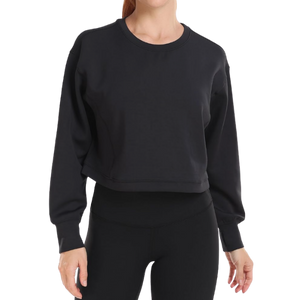
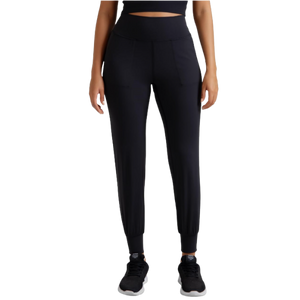
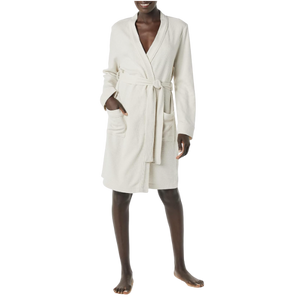
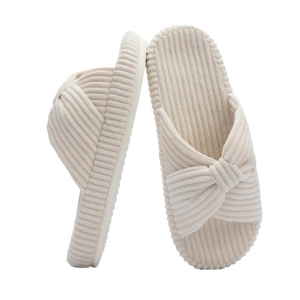
As you step out of the plunge, pause and take a few deep, slow breaths to steady your nervous system. Dry off quickly and wrap yourself in a cozy robe or towel. Layer up with warm, comfy clothes—think wool socks, a sweatshirt, and sweatpants—focusing on warming your core, head, and feet first.

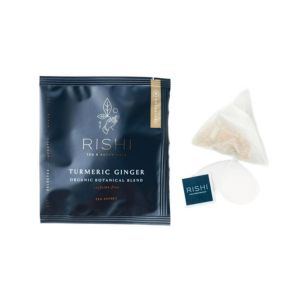
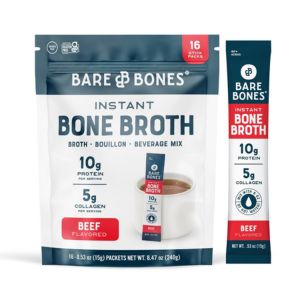
Instead of sitting down right away, keep moving. A short walk around the house or some light mobility will help your body generate heat from the inside out. Then, sip on a warm drink like herbal tea or bone broth while you journal or simply reflect on how you feel.

And here’s an important tip: skip the hot shower—for now. Letting your body warm up naturally builds resilience, boosts metabolism, and helps extend the benefits of your cold exposure session.

FAQ About Cold Plunging

How long should I stay in a cold plunge?

If you’re new to cold plunging, start small—1 to 3 minutes is plenty to begin experiencing benefits without overwhelming your system. As your body and mind adapt, you can gradually work your way up to 5 to 10 minutes per session.

How cold is a cold plunge?

A typical cold plunge ranges from 39°F to 55°F. Beginners should start at the higher end of that range and shorten their sessions if the water is particularly cold. The general rule of thumb: the colder the water, the shorter the plunge.

Is cold plunging sage for everyone?

Not necessarily. While cold plunging is generally safe for healthy adults, those with certain medical conditions should proceed with caution. The American Heart Association advises against cold water immersion for individuals with heart conditions, low blood pressure, or circulatory disorders, as the sudden shock can put strain on the cardiovascular system. If you’re pregnant, have a chronic condition, or take medication, it’s best to consult your doctor before trying cold plunging.

Can I cold plunge daily?

Yes! Many people choose to cold plunge every day and report consistent mental and physical benefits, such as improved mood, energy, and recovery. That said, you don’t need to plunge daily to see results. Even 3–4 sessions per week can be enough to enhance recovery, boost circulation, and build stress resilience.

What’s the best time of day to cold plunge?

It depends on your goals. Morning plunges are ideal for boosting alertness, focus, and mood. They help regulate your circadian rhythm and kickstart your day with energy. Post-workout plunges are great for reducing soreness and inflammation—especially after cardio or endurance training. However, if you’re lifting weights for muscle growth, avoid plunging immediately after strength training, as cold exposure may blunt the inflammation response that supports muscle gains. In that case, wait a few hours or save your plunge for another time of day.

How do I keep my DIY cold plunge clean?

Keeping your water clean is essential for safety and longevity of your setup. Here’s how to maintain it. Use a water filtration system or pump to circulate and clean the water. Add spa-grade hydrogen peroxide or bromine tablets to keep bacteria and algae under control. Change the water weekly if you’re plunging daily, or every 1–2 weeks for occasional use. Finally, always cover your plunge tub when not in use to prevent leaves, bugs, and other debris from getting in.

My Must-Have Gear for At-Home Cold Plunging

Best Cold Plunge Tubs on Amazon – My Top Picks

Ready to start cold plunging at home? Whether you’re going all-in with a chest freezer setup or keeping it simple with a portable ice bath, the right gear can make the experience safer, more effective, and way more enjoyable. Below are some of my favorite cold plunge essentials to help you stay consistent and get the most out of every session.

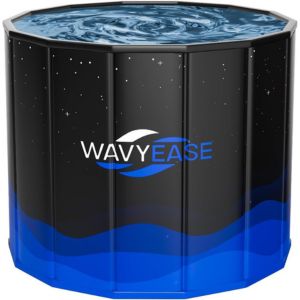
  1. WavyEase Cold Plunge Tub
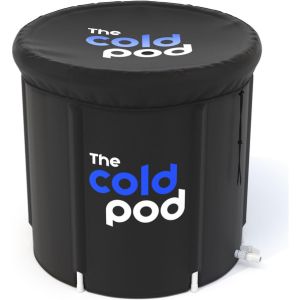
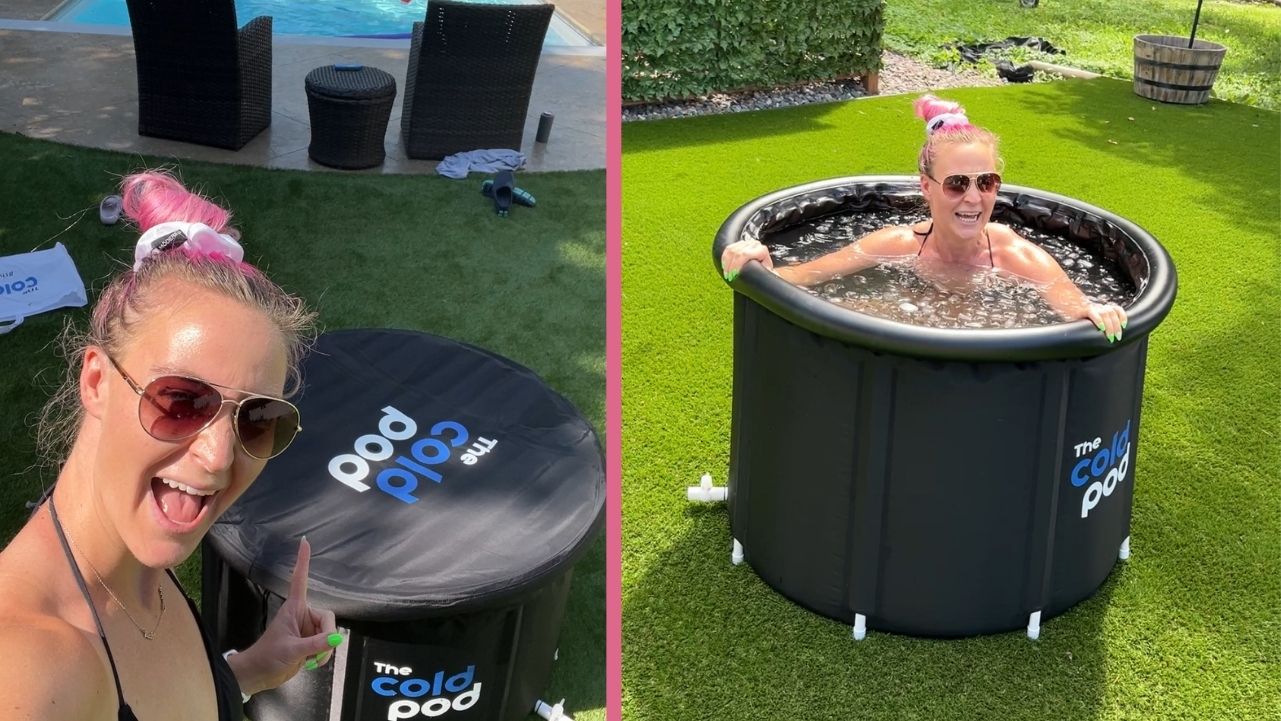
  2. The ColdPod
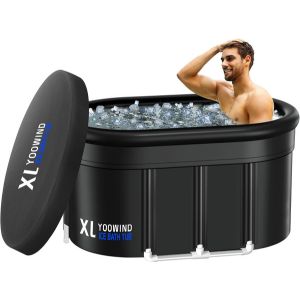
  3. XXL YOOWind Ice Bath Tub
  4. Frozin 400 Cold Plunge Tub with Chiller
  5. Recoverex ortable Cold Plunge Tub with Chiller
  6. Zonemel Luxury Cold Plunge with WiFi Pump

Top Rated Portable Ice Bath Tubs

This insulated, foldable ice bath tub is designed for quick setup and easy storage, making it perfect for small spaces or travel. Its multi-layered construction helps maintain cold temperatures longer, and it includes two drain valves for easy cleanup. Great for beginners and regular plungers alike.

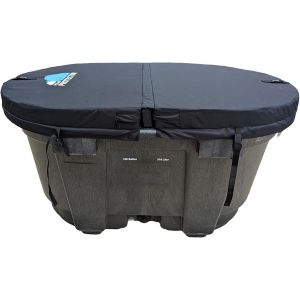
The ColdPod is a sleek, portable ice bath designed for efficient cold water therapy at home or on the go. With its triple-layer insulation, waterproof exterior, and durable construction, it maintains cold temperatures longer while offering a comfortable upright design for full-body immersion. Easy to set up, drain, and store, it’s a practical option for anyone looking to make cold plunging part of their wellness routine.

This spacious ice bath tub is foldable and features thick thermal insulation to keep your water cold for longer sessions. Built with six layers of durable PVC and UV-resistant nylon as well as a zippered lid, it’s ideal for both indoor and outdoor use. Easy to assemble and store, this tub is a budget-friendly choice for beginners and regular cold plungers alike.

Top Rated Cold Plunge Tubs with Chillers

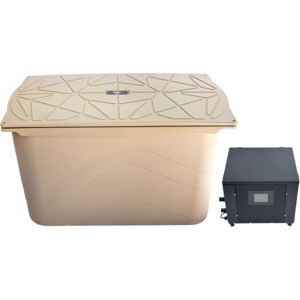
The Frozin 400 ice bath tub is best for home users who want a compact, all-in-one cold plunge solution. This self-contained plunge system includes a built-in chiller, temperature control down to 37°F, and an insulated tub with a lid. No need for daily ice dumps or constant refills—it’s a great long-term upgrade for anyone serious about cold plunging. Easy to install, space-efficient, and one of the best turnkey systems available on Amazon.

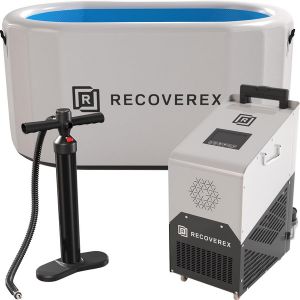
The Recoverex cold plunge tub is best for athletes or biohackers who want a portable, high-tech cold plunge with powerful chilling and built-in filtration. This all-in-one system features a military-grade inflatable tub paired with a 0.8 HP chiller that cools water to 37°F in just a few hours. It comes with a two-step non-chlorine filtration system, Wi-Fi enabled controls, and wheels for easy portability—perfect for daily plungers who want a low-maintenance, plug-and-plunge experience. Sleek, efficient, and travel-friendly, the Recoverex system is designed for those who take recovery seriously.

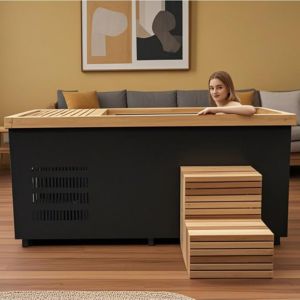
This cold plunge is best for luxury wellness enthusiasts who want a dual-temp, spa-like plunge experience with top-tier features. Crafted with premium red cedar wood and a 304 stainless steel liner, this stunning cold plunge tub is as functional as it is beautiful. It features a 1.5 HP chiller and heater system with dual-temperature capability—cooling down to 37°F and heating up to 107°F—making it perfect for year-round use. The spacious 600L capacity fits comfortably post-workout or post-sauna, while dual filtration, WiFi controls, ozone sterilization, and ultra-quiet circulation create a serene and hygienic plunge experience. Bonus: it comes with a lid, wood seat, and stairs for added comfort and convenience. Ideal for anyone ready to invest in a full-body recovery ritual from the comfort of home.

Products Featured in This Blog

Water Trough

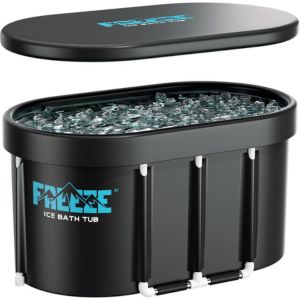
Portable cold plunge tub.

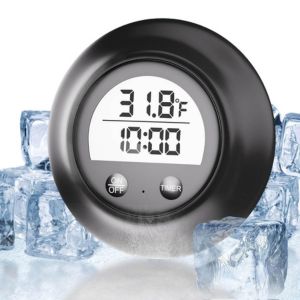
Water Thermometer

Water thermometer.

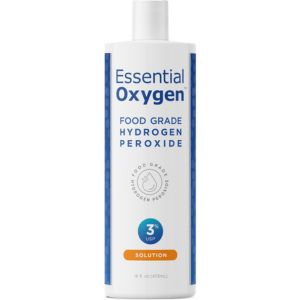
Hydrogen Peroxide

Essential Oxygen food-grade hydrogen peroxide.

Bromine Tablets

Bromine Tablets for cold plunging tub.

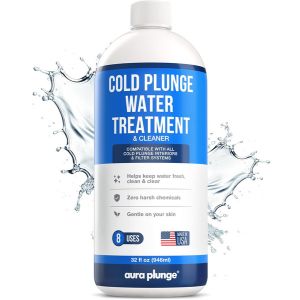
3-in-1 Cold Plunge Water Treatment

Aura Plunge Cold Plunge Water Treatment.

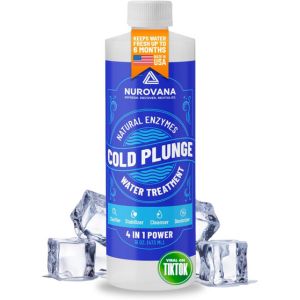
4-in-1 Cold Plunge Water Treatment

Nurovana Natural Enzymes Cold Plunge Water Treatment.

Cold Exposure Journal

A blue cold exposure journal.

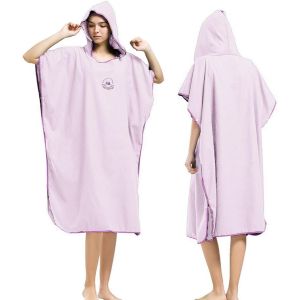
Quick-Dry Poncho

A woman wearing a pink quick-dry poncho.

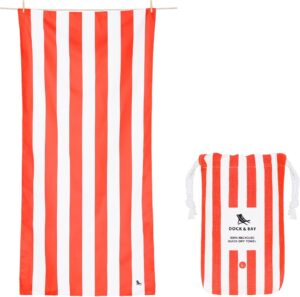
Quick-Dry Towel

Red and white striped beach towel.

Final Thoughts on Cold Plunging

Whether you’re looking to reduce soreness after a long walk, sharpen your focus for the day ahead, or just challenge yourself in a new way, cold plunging has something to offer. It’s not about being extreme or hitting a perfect number of minutes—it’s about building a relationship with discomfort, learning to stay present, and tuning into how your body responds.

Like most wellness habits, the magic is in the consistency. Start small, breathe through the challenge, and notice how you feel on the other side. Over time, you might just find yourself looking forward to the chill.

Your Friend & Pilates Expert,

signature-01

Kayla Brugger
Founder of PILATESBODY by Kayla
Founder of PILATESBODY On-Demand

Free 28-Day Wall Pilates Challenge

28 Days to transform your habits with this beginner, full body Wall Pilates program. Reshape your mind-body connection in just 15 minutes a day. Download your Free Pilates Workout Calendar PDF to get started today!

Free 28-Day Wall Pilates Challenge on YouTube - Transform Your At Home Pilates Workouts - PILATESBODY by Kayla

Free 28-Day Wall Pilates Challenge

28 Days to transform your habits with this beginner, full body Wall Pilates program. Reshape your mind-body connection in just 15 minutes a day. Download your Free Pilates Workout Calendar PDF to get started today!

Leave a Reply

pilatesbody-by-kayla-brugger-pilates-instructor-private-studio-workout-programs-online-classes-long-lake-minnesota-minneapolis

Hi, I'm Kayla Brugger. Certified Pilates Instructor & Minnesota Mama of 2.

More About Me

Pilates Programs

YouTube Workouts