If your gut has been feeling “off,” you’re not alone. Many women miss the early signs because they show up in subtle, everyday ways. In this blog, I break down the 10 signs of an unhealthy gut and the natural habits that actually help. From bloating and cravings to sleep and mood, you’ll learn what your gut is trying to tell you and how to support it starting today.

10 Signs of an Unhealthy Gut + Natural Ways to Support Digestion Cover.

10 Signs of an Unhealthy Gut + Natural Ways to Support Digestion

If there’s one thing I hear from women all the time, it’s this: “I know something feels off… I just can’t figure out what.”

And nine times out of ten, the gut is involved.

Over the last few months, we’ve walked through some of the biggest pillars of digestion—Natural Gut Detox, Probiotics and Prebiotics, and Digestive Enzymes. Each one plays a different role in how your gut feels and functions. But even with all those tools, one big question always comes up:

“How do I actually know when my gut is unhealthy?”

That’s exactly what we’re diving into today. I’m breaking down the 10 most common signs of an unhealthy gut—the ones I see most often in busy women—and the simple, natural steps you can start using today to support digestion.

Nothing extreme. Nothing overwhelming. Just clear, doable habits that help your gut feel like itself again. Let’s get into it.

This post includes affiliate links. I do earn a commission for products purchased using these links (at no additional cost to you). Thank you for supporting PILATESBODY by Kayla, making the content you see on this blog possible.

What a “Healthy Gut” Actually Feels Like

A healthy gut feels… quiet.
Not silent, just steady.

Your digestion moves at a predictable pace.
Your energy doesn’t crash mid-day.
Your skin stays calm.
Your hunger cues make sense.

And honestly?
You’re not thinking about your stomach all day long.
Research shows that a balanced gut supports everything from energy regulation to immune function to skin health.

So if your day-to-day doesn’t feel anything like this… keep reading.

Natural gut health supplements on Amazon collage.

10 Signs of an Unhealthy Gut

These are the most common unhealthy gut symptoms women report. If several of these sound familiar, your gut might be asking for support.

1. Frequent bloating and gas

Bloating happens, but when it shows up daily—or feels excessive—it’s usually a sign your gut isn’t breaking food down well. Sometimes things are moving too slowly, sometimes too quickly, and sometimes the bacteria balance is off.

2. A distended or hard stomach after meals

This is different from mild, end-of-day bloat. A distended belly feels tight, round, and uncomfortable, and it often sticks around for hours. It’s one of the clearest indicators your gut is struggling with digestion or motility.

3. Irregular digestion (constipation, loose stools, or both)

When the gut is inflamed or imbalanced, stool patterns get unpredictable. Many women bounce between constipation and loose stools without ever feeling “regular.” The gut loves consistency—so swings in either direction are worth paying attention to.

4. Heartburn or upper-belly discomfort

That burning, pressure, or heaviness after meals often means food is sitting longer than it should or acid isn’t staying where it belongs. Both are signs your digestive system needs support.

5. Sugar cravings that feel hard to control

Yes—your gut influences cravings. According to research from the University of California, San Francisco, Arizona State University, and the University of New Mexico, certain bacteria love sugar, and when they overgrow, they literally signal the brain to bring in more. If you feel hooked on sweets, this could be part of it.

6. Feeling full quickly or staying full for hours

This “slow stomach” feeling often ties back to motility issues—your digestive system isn’t moving food along at the right pace. It can make even small meals feel heavy.

7. Low energy, fatigue, or trouble sleeping

According to Harvard Health, about 95% of serotonin is made in the gut, which means digestion and mood are deeply connected. When your gut is struggling, energy dips and sleep gets messy.

8. Acne breakouts or skin irritation

The gut–skin connection is strong. Inflammation in the digestive tract can show up as breakouts, redness, or flare-ups on the skin—especially around the jawline or cheeks.

9. Brain fog, mood swings, or increased anxiety

Your gut and brain talk constantly through the gut–brain axis. When gut bacteria shift, it can affect clarity, focus, and emotional balance. Many women don’t realize their mood symptoms are digestion-related until they address the gut.

10. Food intolerances or sensitivities that seem to be growing

If foods that used to be “no big deal” suddenly bother you, the gut lining may be irritated or inflamed. This makes it harder for your system to tolerate certain foods—even healthy ones.

If several of these signs hit home, don’t panic. Your gut is responsive, adaptable, and capable of healing with the right support—and we’re about to get into all the natural ways you can help it.
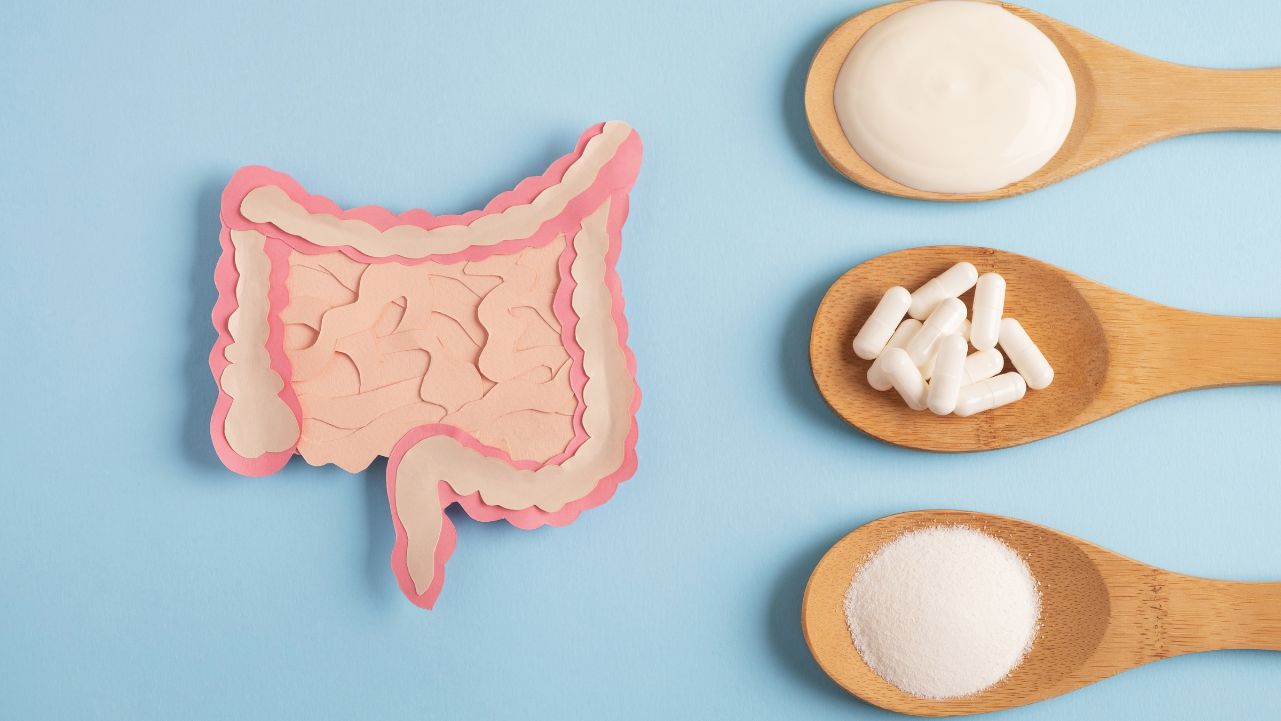
A representation of an unhealthy gut and three wooden spoons with white colored supplements.

Natural Ways to Support Gut Health Daily

These habits are simple but surprisingly powerful.

We’ve touched on some of these ideas in earlier blogs, but this time we’re looking at them through a fresh lens—so they feel doable, realistic, and easy to weave into your routine today.

1. Sit down and slow down when you eat

Most of us eat like we’re late for something. But rushed eating keeps your body in “fight or flight,” and digestion cannot happen efficiently in that state. When you slow down—literally just sit, breathe, and chew—your parasympathetic nervous system kicks in. That’s the “rest and digest” mode your gut needs to break down food properly.

2. Add fiber variety, not just fiber volume

Instead of forcing more fiber into your day, think variety. Different plants feed different gut bacteria, and diversity is what helps your microbiome stay balanced. Aim for new textures, new colors, and different types of produce each week. Small shifts make a real difference.

3. Start the morning with something warm

Warm lemon water, warm plain water, or herbal tea—anything cozy. Warm liquids help stimulate motility and gently “wake up” your digestive system. It’s one of the easiest, lowest-effort habits to try if your gut feels sluggish.

4. Space your meals instead of grazing all day

Your gut needs breaks between meals to do cleanup work. This process is guided by something called the migrating motor complex (MMC)—a wave-like motion that clears out leftover debris (Nature Reviews Gastroenterology & Hepatology). Grazing shuts this system down. Leaving 3–4 hours between meals gives your gut a chance to reset.

5. Support your circadian rhythm

Your gut bacteria follow a 24-hour rhythm, just like you. When your sleep schedule is erratic, your digestion often is too. Getting morning sunlight, dimming lights at night, and keeping a consistent sleep/wake routine can help regulate hormones and digestion.

6. Take a short walk after meals

A 10–15 minute walk is one of the easiest ways to help digestion along. It improves blood sugar, helps with motility, and reduces that heavy, overly-full feeling. Think of it as pressing your gut’s “reset” button.

And if you want something quick and guided, I have a 10-minute Walking Pad Workout on YouTube that’s perfect to do right after a meal—especially on busy days or when you’re stuck inside.

7. Pick stress-reducing habits you can actually stick with

Your gut reacts to stress faster than almost any system in your body. You don’t need a perfect routine—you just need something consistent. Even tiny habits help:

Anything that lowers your stress load supports your gut.

8. Hydrate throughout the day

Water makes everything easier for your digestive system.
Fiber needs it to form soft, easy-to-pass stool.
Stomach acid needs it for proper digestion.
Your gut simply works better when you’re not playing hydration catch-up at 5 p.m.

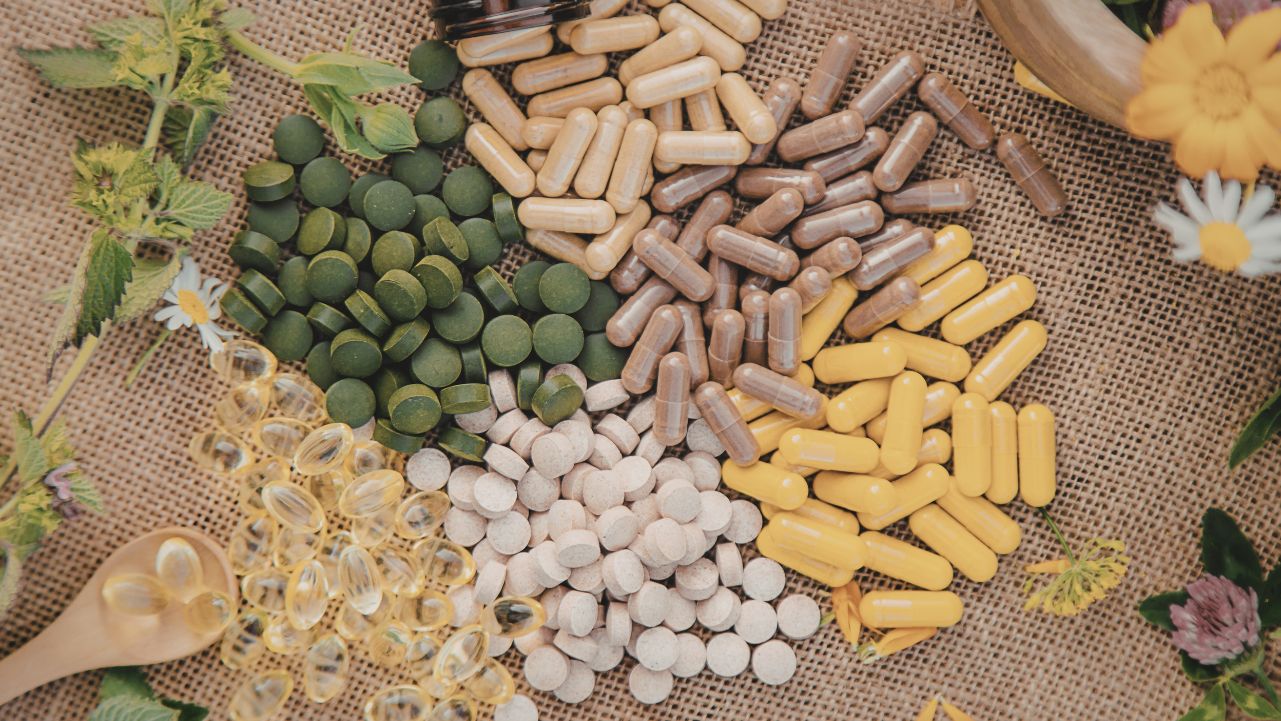
A variety of supplements to improve gut health on a piece of burlap with flowers surrounding them.

When to Seek Professional Support

Most gut issues do get better with simple lifestyle shifts and the natural tools we talked about.

But there are times when it’s important to get checked out—just to be safe. Reach out to a healthcare provider if you notice any of the following:

  • blood in your stool or vomit

  • unexplained weight loss or weight gain

  • severe or sudden abdominal pain

  • symptoms that don’t improve after several weeks of changes

  • signs of autoimmune flare or ongoing inflammation

These symptoms don’t automatically mean something serious is wrong, but they’re worth getting looked at. A professional can help you rule out deeper issues, get clarity on what’s going on, and guide you toward the right next steps.

FAQs About Unhealthy Gut Symptoms

What causes an unhealthy gut in the first place?

There’s rarely just one cause. Gut issues usually show up from a mix of things—stress, lack of sleep, low-fiber eating, antibiotic use, blood sugar swings, or even eating too fast. Over time, those habits can affect digestion, motility, inflammation levels, and the balance of good bacteria in your gut.

Can you fix gut issues naturally without medications?

In many cases, yes. Simple changes—like slowing down when you eat, spacing your meals, increasing fiber variety, managing stress, and using natural gut health supplements—can make a huge difference. But if symptoms are severe or long-lasting, pairing natural approaches with medical support is always a smart choice.

How long does it take to see changes once you start supporting your gut?

Most people notice early shifts in 2–4 weeks, especially with consistency. Things like bloating, fullness, and energy often improve first. Deeper changes—like skin improvements, fewer cravings, or better sleep—can take 8–12 weeks as the gut lining and bacteria balance reset.

Are gut problems always related to food sensitivities?

Not always. While food sensitivities can play a role, gut symptoms often come from stress, disrupted meal timing, low stomach acid, poor sleep, or bacterial imbalance. Many women assume food is the problem when the real issue is how the gut is functioning.

Should I cut out certain foods if I think my gut is unhealthy?

Not right away. Instead of eliminating everything, start by slowing down your meals, adding more fiber diversity, and noticing which foods or habits trigger discomfort. Many gut symptoms improve with lifestyle changes alone, without needing a restrictive diet.

What’s the difference between natural gut health supplements and probiotics?

Natural gut health supplements support digestion in different ways. Some soothe the gut lining, some help with motility, and others reduce irritation or support regularity. Probiotics are specifically designed to rebalance good bacteria in the gut. They work well together but each plays a different role.

A woman standing outside with her hands on her stomach making a heart shape around her bellybutton.

Recommendations for Managing the 10 Signs of an Unhealthy Gut

Natural Products for Gut Comfort, Energy, and Daily Support – My Top Picks

If you’re noticing any of the 10 signs of an unhealthy gut, these natural picks can help. They’re simple additions that fit into a busy routine and make a real difference over time. Each one targets a different piece of digestion—motility, bloating, gut lining, or overall comfort.

  1. L-Glutamine
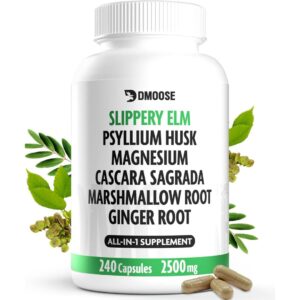
  2. Slippery Elm and Marshmallow Root
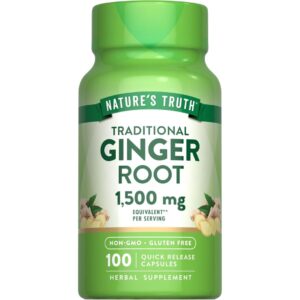
  3. Ginger Root Capsules
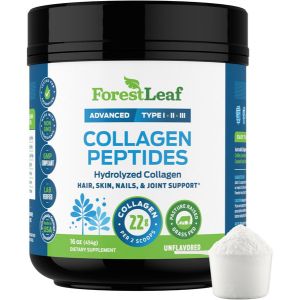
  4. Collagen Peptides
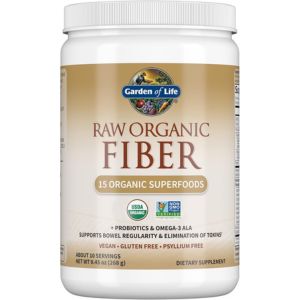
  5. Fiber Supplement
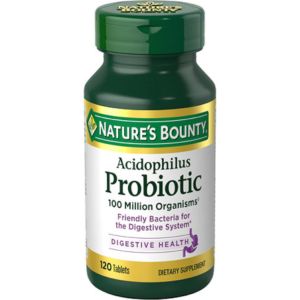
  6. Probiotics
  7. Digestive Bitters
  8. Peppermint Oil Capsules
  9. Magnesium Glycinate or Magnesium Citrate
  10. Electrolytes with Minerals
  • Supports the gut lining and helps calm irritation.
  • A great option for anyone dealing with bloating, distention, or overall gut sensitivity.
  • Herbal, soothing, and gentle on the gut.
  • A great choice for calming digestive irritation and supporting overall comfort.
  • Supports stomach emptying and helps reduce nausea.
  • Perfect for anyone who feels overly full or heavy long after meals.
  • Rich in gut-supportive amino acids like glycine to help strengthen the gut lining and aid digestion.
  • Easy to mix into smoothies, coffee, or warm drinks.
  • Supports fuller, more regular bowel movements and helps reduce bloating or distention.
  • A simple way to give your gut the extra fiber it needs to stay comfortable and consistent.
  • Helps rebalance the gut’s good bacteria and support smoother digestion.
  • For a deeper breakdown, you can check out my full Probiotics + Prebiotics blog.
  • Stimulates natural stomach acid and digestive enzymes to support smoother digestion.
  • Great for anyone who feels heavy, slow, or overly full after meals.
  • Helps reduce bloating and abdominal discomfort, thanks to peppermint’s natural soothing properties.
  • A helpful option for anyone dealing with distension, cramping, or gas.
  • Supports regularity while calming the gut–brain connection.
  • A great choice for nighttime, especially if digestion or sleep feels off.
  • Not just for workouts—electrolytes with minerals help keep digestion moving smoothly.
  • They can also reduce cramping and support overall gut comfort.

Related Products

Magnesium Glycinate

Magnesium glycinate supplements for energy.

Bloom Prebiotic Soda

Bloom Prebiotic Soda.

Electic Kettle

A black electric kettle on a counter top next to a slice of cake and a cup of tea.

Walking Pad

Folding walking pad

Heating Pad

A gray electric heating pad.

Water Bottle

A KIVY stainless steel water bottle in six colors.

Glass Food Storage

Glass storage containers for meal prep.

Final Thoughts on Natural Gut Health

Your gut is talking to you all day long—through your energy, your skin, your cravings, your digestion, your mood. And once you know what to look for, those “random” symptoms start making a whole lot more sense.

The best part?

Your gut responds quickly to support. Small changes—slowing down when you eat, adding more fiber variety, taking a short walk after meals, or trying a targeted supplement—can make a noticeable difference in just a few weeks.

If you noticed several of the signs from this list, take it as information, not a warning. Your body isn’t failing you… it’s communicating with you. And now you have the tools to help it.

Here’s to better digestion, more energy, and finally feeling like you again.

Your Friend & Pilates Expert,

signature-01

Kayla Brugger
Founder of PILATESBODY by Kayla
Founder of PILATESBODY On-Demand

Free 21-Day Pilates Strength Challenge

21 days to transform your full body strength, reshape your mind body connection, and become Pilates Strong in just 20 minutes a day. Download your Free Pilates Workout Calendar to get started today!

Free 21-Day Pilates Strength Challenge - Pilates Strength Training - Pilates Workout Calendar - PILATESBODY by Kayla

Free 21-Day Pilates Strength Challenge

21 days to transform your full body strength, reshape your mind body connection, and become Pilates Strong in just 20 minutes a day. Download your Free Pilates Workout Calendar to get started today!