Gut health affects everything from energy and digestion to mood and hormones. In this post, we’ll break down how probiotics and prebiotics work together to support women’s wellness, plus the best supplements to help you feel your best every day.

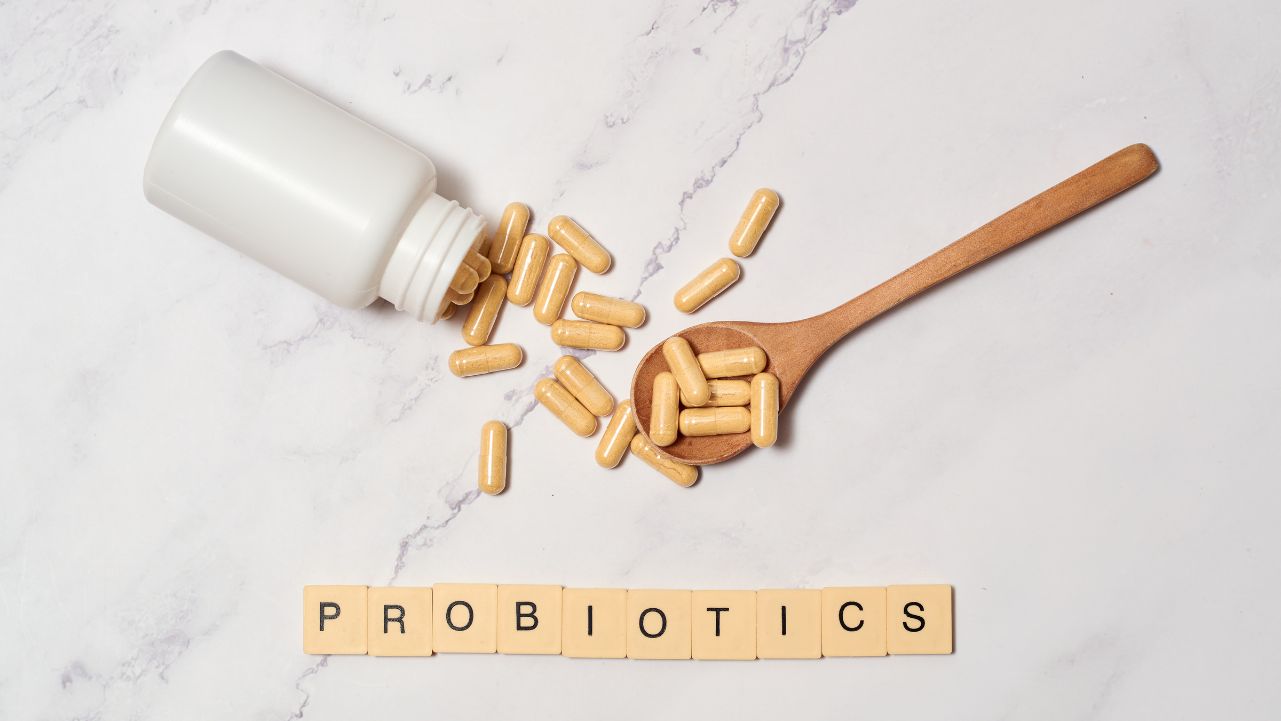
Probiotics supplements for women spilling out of a white bottle onto a white marble surface and wooden spoon.

Probiotics and Prebiotics: What They Do, Why They Matter, and How to Choose the Right Supplements

Let’s be honest: gut health can feel like a mystery sometimes. One week you’re feeling amazing, the next you’re bloated, sluggish, or wondering what happened to your energy. If that sounds familiar, you’re not alone.

Your gut is home to trillions of bacteria (the good kind!) that play a huge role in how you feel every single day. They affect everything from digestion and immunity to mood, hormones, and even focus. When that balance gets thrown off, your energy often does too. If you’ve been feeling run down lately, you might also love my post on Functional Nutrition for Energy: The Best Foods, Supplements & Lifestyle Hacks to Beat Fatigue Naturally. It pairs perfectly with what we’re diving into here.

And that’s where probiotics and prebiotics come in. You’ve probably seen these two words on supplement labels or yogurt containers, but they’re often misunderstood. In this post, we’ll break down exactly what they are, how they work together, and how to choose the best options for women—including a few tried-and-true supplements you can grab right on Amazon.

This post includes affiliate links. I do earn a commission for products purchased using these links (at no additional cost to you). Thank you for supporting PILATESBODY by Kayla, making the content you see on this blog possible.

What Are Probiotics and Prebiotics?

When it comes to gut health, probiotics and prebiotics are often mentioned together—but they’re not the same thing. They work hand in hand to support your digestive system and overall well-being.

Here’s the difference:

Probiotics

  • According to the International Scientific Association for Probiotics and Prebiotics (ISAPP), probiotics are live microorganisms—typically bacteria or yeasts—that, when consumed in adequate amounts, provide a health benefit to the host.
  • These “good bacteria” help balance your gut microbiome, support digestion, strengthen immunity, and can even influence mood and energy.
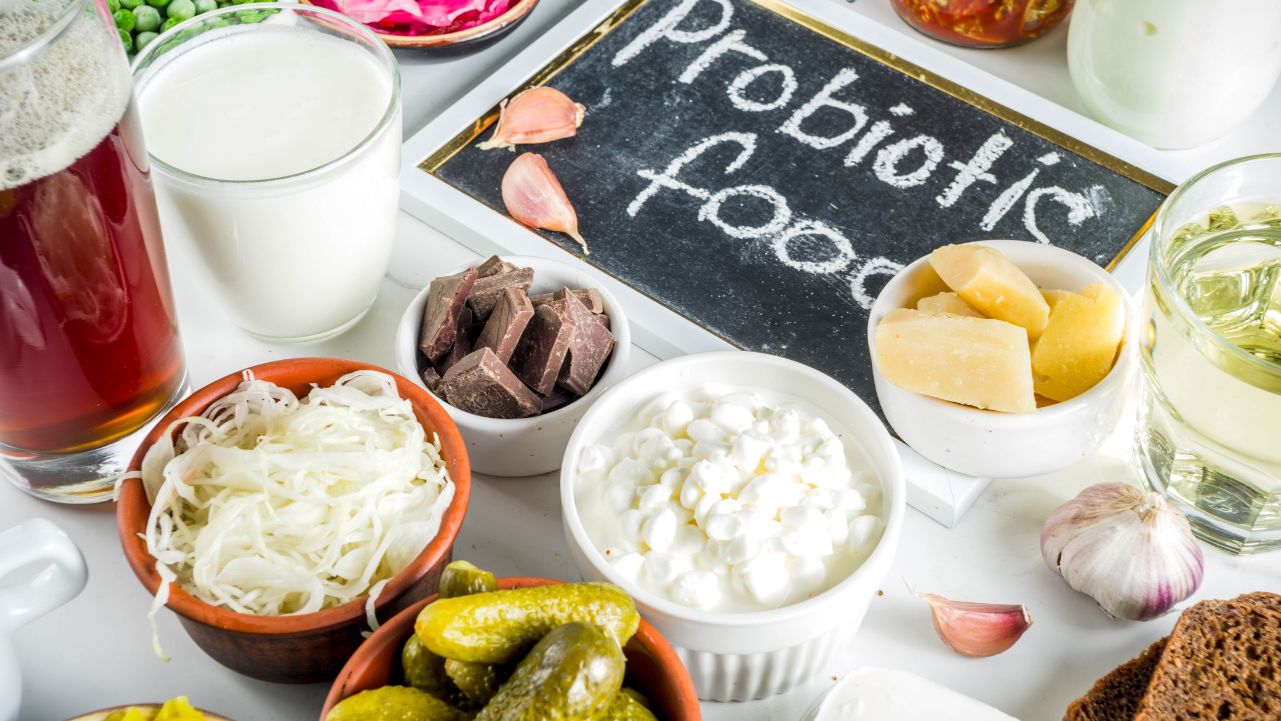
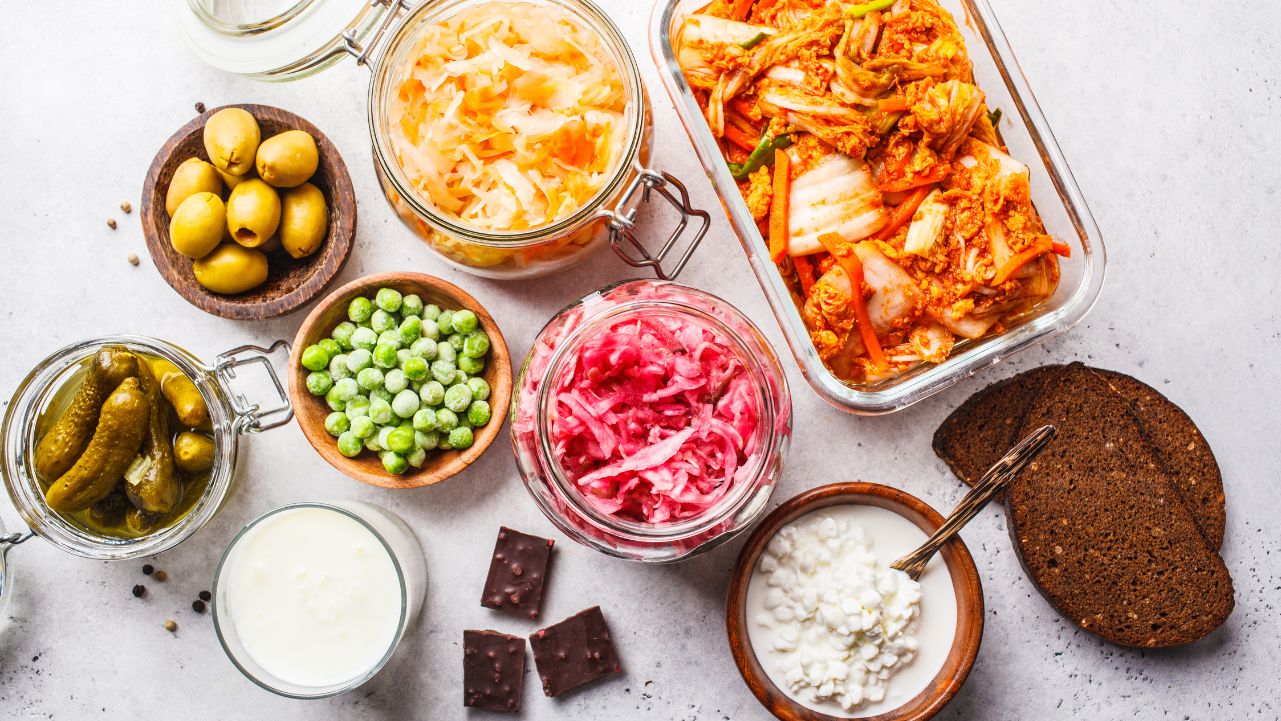
  • Common probiotic foods include yogurt, kefir, sauerkraut, kimchi, and kombucha, though supplements often provide higher concentrations of beneficial strains.

Prebiotics

  • Prebiotics are nondigestible fibers or compounds that act as food for the good bacteria in your gut.
  • According to ISAPP, a prebiotic is “a substrate that is selectively utilized by host microorganisms, conferring a health benefit.”
  • Think of them as fertilizer for your gut. They help your existing good bacteria grow stronger and more active.
  • You can find prebiotics naturally in foods like bananas, oats, garlic, onions, asparagus, and whole grains, or as part of prebiotic or synbiotic supplements.

Together, probiotics and prebiotics form a powerful partnership often called synbiotics—a blend that combines live bacteria with the nutrients they need to thrive. According to ISAPP’s research, this combination can help improve microbial balance, digestion, and overall gut health when used consistently.

A variety of foods with probiotics benefits for women.

Probiotics Benefits for Women

When your gut is balanced, everything else tends to run more smoothly—your digestion, energy, mood, and even your skin. Probiotics do far more than just support your stomach; for women, they can positively impact several key areas of health.

Here’s what the research shows:

Supports Digestion and Reduces Bloating

  • According to the Mayo Clinic, probiotics can help restore the natural balance of bacteria in your gut, which may reduce digestive discomfort, bloating, and constipation, especially after antibiotics or dietary changes.
  • Certain strains, such as Bifidobacterium and Lactobacillus, are especially known for improving bowel regularity and reducing symptoms of irritable bowel syndrome (IBS).

Promotes Vaginal and Urinary Health

  • The vaginal microbiome relies heavily on Lactobacillus species, which produce lactic acid and help maintain a healthy pH level.
  • According to the Harvard T.H. Chan School of Public Health, probiotics that support Lactobacillus growth can help reduce the risk of bacterial vaginosis (BV) and yeast overgrowth.
  • Research also suggests that certain probiotic strains may help reduce recurrence of urinary tract infections (UTIs) by supporting balance in the vaginal microbiome.

Boosts Immunity and Reduces Inflammation

  • Around 70% of your immune system lives in your gut, so maintaining a healthy microbiome is key to strong immune function.
  • According to the Cleveland Clinic, probiotics may help regulate immune responses and reduce inflammation throughout the body. This can contribute to fewer colds, faster recovery, and better long-term health.

Supports Hormone Balance and Mood

  • The gut and brain are connected through what’s called the gut-brain axis.
  • According to research from Harvard Health, probiotics may play a role in improving mood and reducing anxiety by influencing neurotransmitters like serotonin, which are partly produced in the gut.
  • A balanced gut also supports better metabolism of estrogen, helping maintain hormonal balance—something many women notice as improved PMS symptoms or more stable energy.

May Improve Skin and Energy Levels

  • Though more research is still emerging, several studies suggest that a balanced gut microbiome may help reduce inflammation and support clearer skin.
  • Many women also report higher energy levels and better digestion after consistently using a probiotic that works for their body.

In short: probiotics can do much more than just help with digestion. They’re a foundational tool for overall wellness, especially for women balancing busy lives, stress, and shifting hormones.

A woman sitting down with her hands on her stomach representing the need for probiotics supplements for women.

Can Probiotics and Prebiotics Be Taken Together?

Yes, and often, this combo works best.

Probiotics and prebiotics are like the ultimate wellness duo. Probiotics are the good bacteria that keep your gut balanced, and prebiotics are the food that helps those bacteria grow and thrive.

According to ISAPP, taking them together (called a synbiotic) can actually make both work better. Think of it like this:

  • Probiotics are the seeds that plant your gut garden.

  • Prebiotics are the fertilizer that keeps those seeds alive and thriving.

When you combine them, you’re not only adding new healthy bacteria—you’re also giving them exactly what they need to flourish. This can help improve digestion, support immune function, and strengthen your microbiome long-term.

According to the Cleveland Clinic, the combination of probiotics and prebiotics can also improve the way your body absorbs nutrients, regulate inflammation, and even enhance overall gut comfort.

So if you’re already taking a probiotic, adding a prebiotic (or choosing a supplement that includes both) is a simple way to get more out of your routine. Many probiotics and prebiotics supplements for women are already designed this way—and they often make it easier to stay consistent since you’re only taking one product instead of two.

Bottom line: you don’t need to take them together, but you’ll likely notice better results when you do.

How to Know If You Need Prebiotics

If your digestion has felt off lately—bloating, sluggish metabolism, or that constant “heavy” feeling after meals—your gut might be telling you it needs more prebiotic support.

For some women, doing a gentle reset can help get things moving again before introducing new supplements. If that sounds like you, check out my post on Natural Gut Detox: A Gentle Approach to Improving Your Digestion for simple, realistic ways to rebalance your system naturally.

Prebiotics act like fuel for the good bacteria already living in your digestive system. When you don’t get enough of them (usually from fiber-rich foods), those healthy microbes don’t have what they need to thrive—and that’s when imbalances start to show up.

Here are a few signs your body might benefit from more prebiotics:

  • Frequent constipation or slow digestion

  • Persistent bloating or gas

  • Unexplained fatigue or low immunity

  • A diet low in fiber, fruits, vegetables, whole grains

  • Recurrent urinary or vaginal issues (if gut–vaginal microbiome cross-talk is involved)

  • History of antibiotic use, which can reduce gut bacterial diversity

If a few of those sound familiar, adding more prebiotics can help bring things back into balance. Start with simple food swaps like adding oats to your breakfast, tossing some asparagus or garlic into dinners, or enjoying a banana as a mid-morning snack.

And if you’re looking for a quick, consistent option, a prebiotic supplement can help fill those gaps—especially when paired with a probiotic. You’ll be giving your gut the nourishment it needs to work the way it’s supposed to, so you feel lighter, more energized, and less bloated day to day.

A woman pouring probiotics and prebiotics supplements from a white bottle into her hand.

Choosing the Best Probiotics and Prebiotics Supplements for Women

Not all probiotics and prebiotics are created equal. With so many options out there, it’s easy to feel overwhelmed reading labels that all promise “better digestion” and “balanced gut health.”

So, how do you actually know which ones are worth your money (and which ones are just good marketing)?

Here’s what to look for when choosing a high-quality probiotics and prebiotics supplement for women:

Clinically studied strains

Look for supplements that list specific strains like Lactobacillus rhamnosus, Lactobacillus reuteri, or Bifidobacterium lactis. These are some of the most researched strains for women’s health, especially for digestion and vaginal balance.

CFU count that actually matters

CFU stands for colony-forming units, basically the number of live bacteria in each dose. More isn’t always better here. Look for products that contain anywhere from 10 to 50 billion CFUs, and make sure the label guarantees potency through the expiration date, not just at the time of manufacture.

Added prebiotics for extra support

Some formulas include prebiotic fibers like inulin or FOS (fructooligosaccharides). These feed your good bacteria and help them multiply—it’s like giving your probiotic a daily meal so it can keep doing its job.

Designed for women’s unique needs

Women’s probiotics often target more than just digestion. They can support vaginal pH balance, urinary tract health, and even hormone regulation. If that’s what you’re after, look for “women’s formulas” on the label.

Third-party testing and quality standards

Since supplements aren’t as tightly regulated as medications, it’s worth choosing a brand that’s been tested for purity and potency by a third party. This helps ensure you’re getting what the label actually claims.

Your personal preference

Capsules, gummies, powders—there’s no “one right way” to take probiotics. The best supplement is the one you’ll actually remember to take every day.

When you find a formula that checks these boxes, you’ll be giving your gut what it truly needs to thrive. Your whole body will feel the difference.

FAQs About Probiotics and Prebiotics

What are the benefits of probiotics and prebiotics?

When your gut’s happy, everything else feels a little easier—your digestion, your mood, even your energy levels. Probiotics (the good bacteria) and prebiotics (the food that helps them grow) work together to keep things balanced and running smoothly.

For women, that balance goes beyond digestion. A healthy gut can support your immune system, hormone health, and even vaginal balance. Many of my clients notice less bloating, fewer cravings, and more energy after just a few weeks of taking a quality probiotic. It’s one of those small habits that makes a big difference in how you feel day to day.

Is it good to take probiotics and prebiotics together?

Yes, and honestly, that’s the best way to do it. Probiotics are like planting flowers in your gut, and prebiotics are the fertilizer that helps them grow. When you take them together (you’ll often see this called a synbiotic), you’re helping those good bacteria stick around and do their job better.

If you’re already taking a probiotic, adding in a prebiotic supplement—or choosing a combo that includes both—can really boost your results.

What are the signs you need prebiotics?

If you feel bloated all the time, have sluggish digestion, or can’t remember the last time your gut felt “normal,” your microbiome might be craving some love. Other signs include low energy, frequent illness, or a diet that’s light on fruits, veggies, and fiber.

As women, we often juggle so much that convenience wins out over nutrition—and that’s totally okay. A simple prebiotic can help fill those gaps and feed the good bacteria your gut depends on.

Is it safe to take probiotics if you’re pregnant, immunocompromised, or on medication?

For most people, yes. But it’s always best to check with your doctor first. Every body is different, and certain strains or doses may be better depending on your health or what medications you’re taking.

Many probiotics are considered safe during pregnancy (some are even added to prenatal vitamins), but getting the green light from your provider helps you choose the right one for you.

Are probiotics supplements for women different from men’s?

Yes, they usually are, and for good reason. Women’s probiotics often include specific strains that support vaginal and urinary tract health, along with overall gut balance.

If you’ve ever dealt with yeast infections, pH imbalance, or just that general feeling of “off,” a women’s probiotic can help restore balance from the inside out. Think of it as a probiotic with a little extra support where we need it most.
Some fermented foods with probiotics benefits for women.

Best Gut Health Supplements: Probiotics, Prebiotics, and Synbiotics

Probiotics and Prebiotics on Amazon for Women’s Gut Health – My Top Picks

Here are some of my favorite probiotics supplements for women (and a few synbiotic picks too). These are all available online (many via Amazon) so you can click through. Always read the label and consult with your healthcare provider before starting.

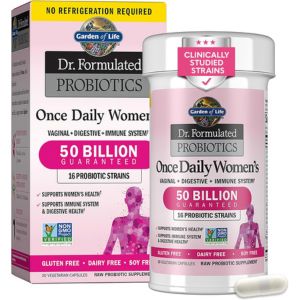
  1. Garden of Life Dr. Formulated Women’s Probiotics
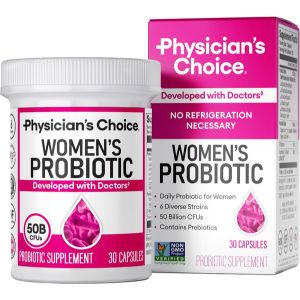
  2. Physician’s Choice Probiotics for Women
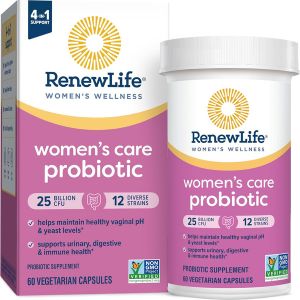
  3. Renew Life Women’s Care Probiotic
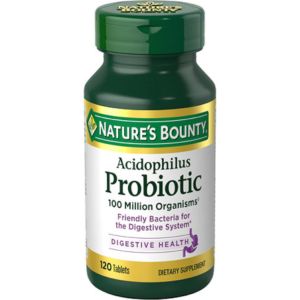
  4. Nature’s Bounty Acidophilus Probiotic Tablets
  5. Nature Made Prebiotic Fiber Powder
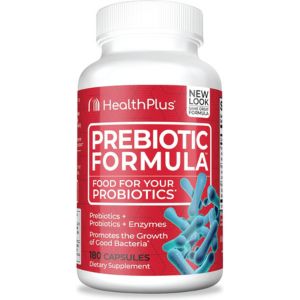
  6. Health Plus Prebiotic Formula
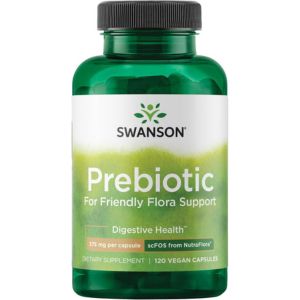
  7. Swanson Prebiotic for Friendly Flora Support
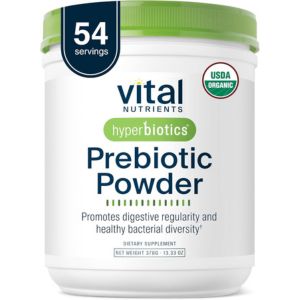
  8. Hyperbiotics Organic Prebiotic Powder
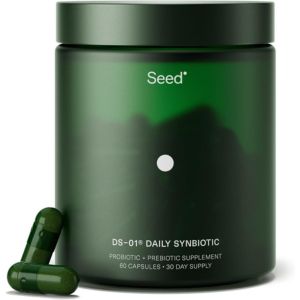
  9. Seed DS‑01 Daily Synbiotic
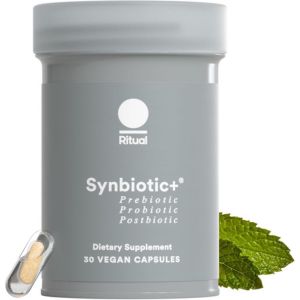
  10. Ritual Synbiotic+

Probiotics

A top-rated, women-specific probiotic with 50 billion CFU and 16 diverse strains that support digestion, immunity, and vaginal health. It’s shelf-stable (no refrigeration needed) and includes Lactobacillus reuteri and Lactobacillus fermentum, both known for maintaining healthy pH balance.

One of the most popular probiotics on Amazon—and for good reason. This formula delivers 50 billion CFU and 6 clinically studied strains, plus organic prebiotics and cranberry extract for urinary tract support. It’s a true “all-in-one” supplement for gut, vaginal, and immune health.

This trusted probiotic provides 25 billion CFU across 12 strains, including Lactobacillus acidophilus and Bifidobacterium lactis. Designed to support digestive comfort, immunity, and vaginal balance, it’s a great daily pick for women who want reliable results without a super-high CFU count.

A simple, affordable probiotic option that focuses on Lactobacillus acidophilus, one of the most studied and gentle strains for gut health. It’s ideal if you’re new to probiotics or looking for a low-dose, easy-to-digest tablet for everyday support.

Prebiotics

A tasteless, sugar-free fiber powder that mixes easily into drinks or smoothies. It provides gentle digestive support and helps feed your body’s existing good bacteria—perfect if you want to start increasing fiber without upsetting your stomach.

This formula contains a blend of soluble fibers and plant-based prebiotics to help nourish beneficial gut bacteria and support regularity. It’s a great option for anyone who wants a simple, no-frills way to boost prebiotic intake alongside their daily probiotic.

Convenient vegetarian capsules that provide inulin and other plant fibers to encourage the growth of healthy gut bacteria. A good choice if you prefer capsules over powders and want something gentle enough for daily use.

A clean, plant-based prebiotic made from organic acacia fiber, green banana flour, and Jerusalem artichoke. It’s designed to feed your good bacteria without causing bloating, and blends easily into any drink or smoothie.

Synbiotics (both probiotics + prebiotics)

A premium 2-in-1 capsule system that delivers 24 clinically studied probiotic strains plus a plant-based prebiotic outer shell. Designed for improved digestion, immunity, and skin health, it’s one of the most science-backed options available.

A minimalist, 3-in-1 formula that combines probiotics, prebiotics, and postbiotics for complete gut support. The delayed-release capsule helps the probiotics survive stomach acid, and the clean, transparent ingredient list makes it a great option for women who value quality and simplicity.

Final Thoughts on Probiotics and Prebiotics

Gut health doesn’t have to be complicated; it just needs consistency. Adding the right mix of probiotics and prebiotics to your daily routine can make a real difference in how you feel, from digestion to mood to energy.

Start simple: focus on nourishing your gut with real foods like yogurt, oats, bananas, and greens, and if you need extra support, choose a high-quality probiotic or synbiotic supplement that fits your lifestyle.

And remember, this isn’t about perfection. It’s about giving your body the tools it needs to feel its best. When your gut is happy, you’ll notice it in everything—your energy, your confidence, even your glow.

So if you’ve been looking for a sign to start taking your gut health seriously… this is it.

Your Friend & Pilates Expert,

signature-01

Kayla Brugger
Founder of PILATESBODY by Kayla
Founder of PILATESBODY On-Demand

Free 28-Day Wall Pilates Challenge

28 Days to transform your habits with this beginner, full body Wall Pilates program. Reshape your mind-body connection in just 15 minutes a day. Download your Free Pilates Workout Calendar PDF to get started today!

Free 28-Day Wall Pilates Challenge on YouTube - Transform Your At Home Pilates Workouts - PILATESBODY by Kayla

Free 28-Day Wall Pilates Challenge

28 Days to transform your habits with this beginner, full body Wall Pilates program. Reshape your mind-body connection in just 15 minutes a day. Download your Free Pilates Workout Calendar PDF to get started today!