You have 0 items in your cart
Thinking about trying reformer Pilates at home but not sure if you need the machine? This guide breaks down affordable alternatives, proven results, and easy ways to build strength and tone from your living room.
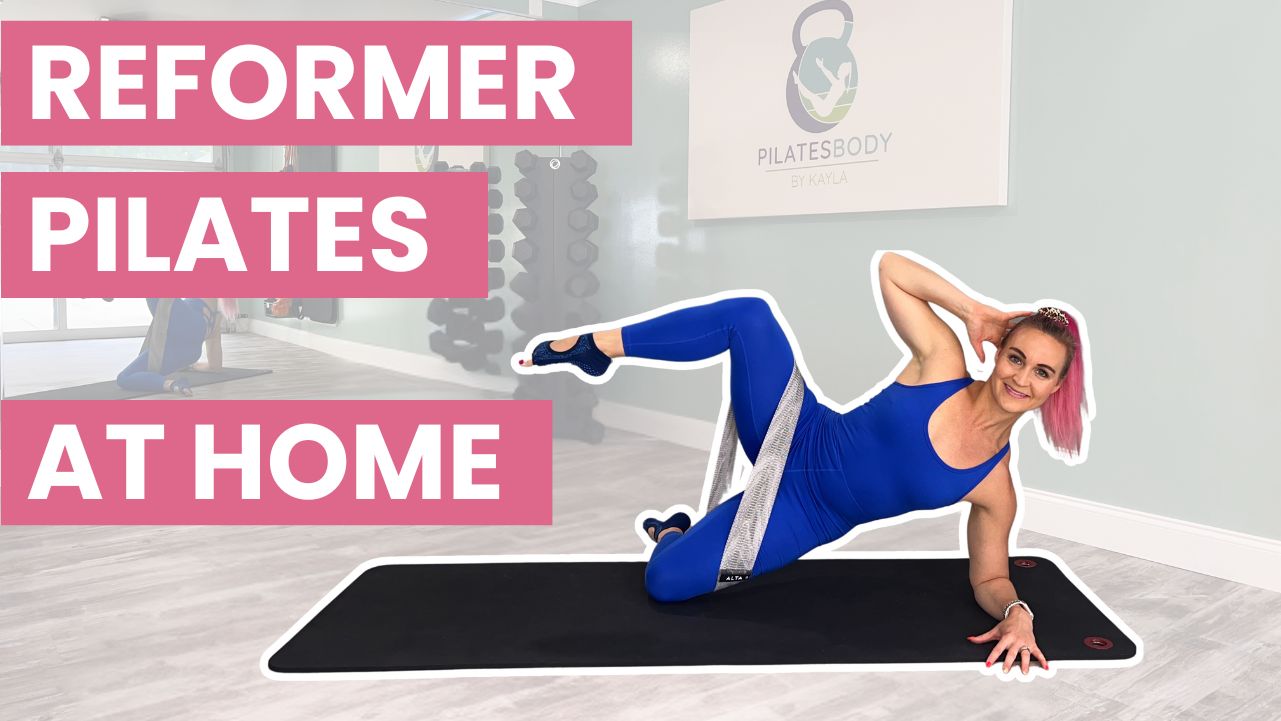
Reformer Pilates has exploded in popularity—you see it on Instagram, in boutique studios, and maybe even on your best friend’s workout schedule. And I get it. The reformer looks sleek, the movements look impressive, and the results seem almost too good to be true. But here’s the question I hear all the time: Do you actually need the reformer to see results, or can you get the same benefits right at home with just a mat and a few small props?
As a Pilates strength coach who has trained women in both studio and living room settings, I’ve seen firsthand that you don’t need to spend thousands of dollars or carve out a whole room for a giant machine to feel stronger, leaner, and more confident in your body. In this post, we’ll break down what makes the reformer so popular, the real challenges it comes with, and how you can recreate reformer-style benefits in your own home—without the hefty price tag.
This post includes affiliate links. I do earn a commission for products purchased using these links (at no additional cost to you). Thank you for supporting PILATESBODY by Kayla, making the content you see on this blog possible.
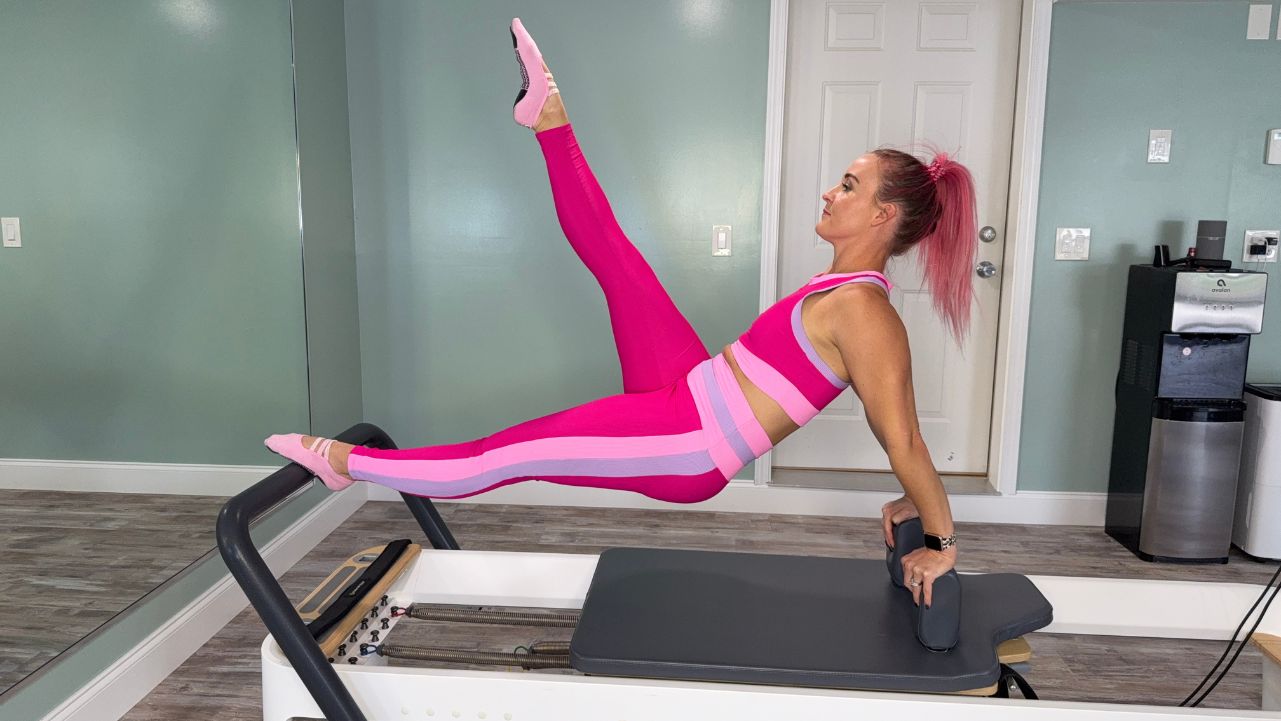
If you’ve ever walked into a Pilates studio, you’ve probably seen the reformer—the big, sleek machine with straps, springs, and a moving carriage. At first glance, it looks a little intimidating, but once you try it, you understand the hype.
The Pilates reformer is essentially a bed-like frame with a sliding carriage, adjustable springs, straps, and bars. The springs provide resistance, while the carriage glides back and forth, creating both support and instability that challenge your muscles in a totally unique way.
So why do people love it so much?
Sounds amazing, right? And it is—but here’s the catch: reformer Pilates machines are large, expensive, and not exactly living-room friendly. Even the so-called “compact” versions take up more space than most people want in their homes. And the price tag? Often in the thousands of dollars. Add in studio classes at $30–$60 a pop, and it’s not always realistic to make reformer Pilates a consistent part of your routine.
That doesn’t mean the reformer is a bad option—if you enjoy the studio atmosphere and it fits your lifestyle, it can be an incredible tool. But for most women balancing busy schedules, kids, and real-life budgets, there are far simpler (and more affordable) ways to get the same results without investing in a bulky machine. If you are considering one, I’ve broken down the best options here: Pilates Reformer Machines and More: Level Up Your Home Pilates Studio.
Yes, reformer classes feel amazing—there’s no denying it. You leave feeling taller, stronger, and like your core just came alive. But let’s be honest—owning or regularly using a reformer comes with two big hurdles: space and cost. Even the “compact” versions are bulky, and most still come with a hefty price tag.
If you’re anything like most of the women I coach, you probably don’t have an empty room—or the budget—for a giant Pilates machine. Between kids, work, and everyday life, it’s just not realistic for most of us.
Here’s the good news: you don’t need the machine to see results. Research shows that consistent at-home Pilates can deliver the same benefits in core strength, lean muscle, posture, and mobility as reformer workouts. And I’ve seen it firsthand with my clients. Some even see better results at home simply because they’re able to stay consistent. When all it takes is rolling out a mat in your living room, showing up for yourself becomes a whole lot easier.
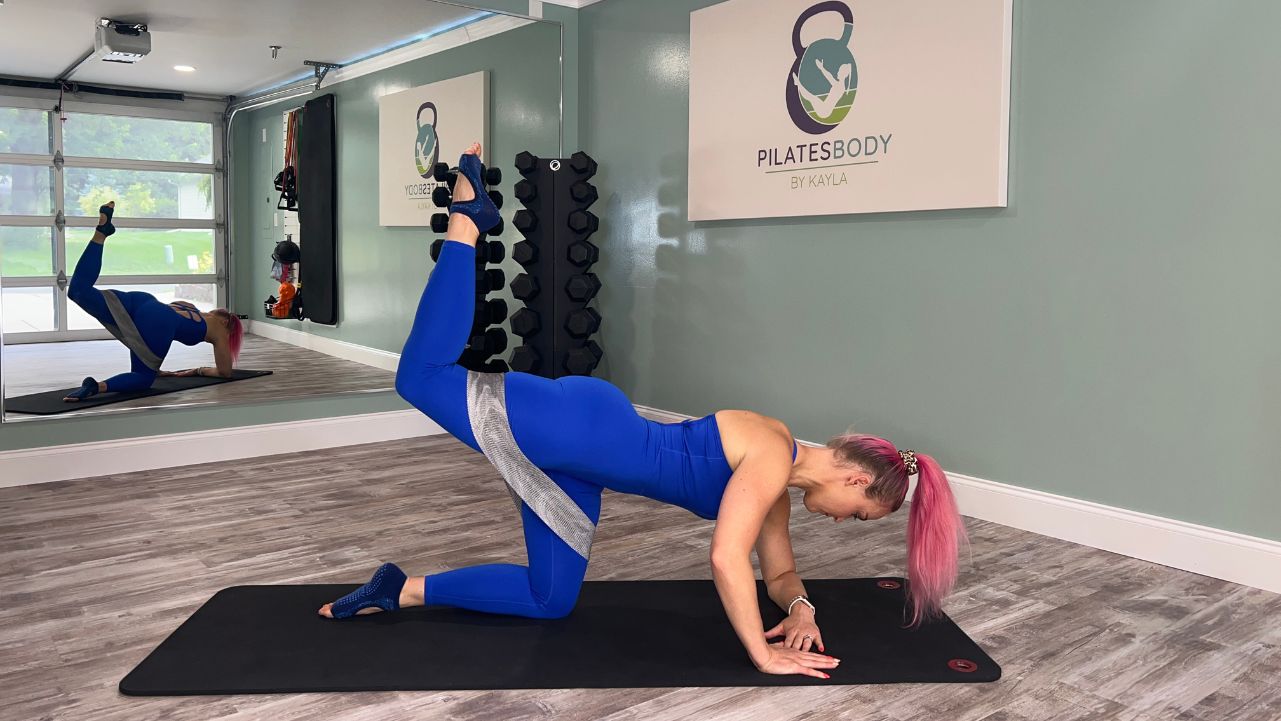
Here’s the secret: the magic of reformer Pilates isn’t the machine itself. It’s the resistance, alignment, and controlled movement that challenge your body in new ways. And you can absolutely recreate that with a few simple tools at home.
The best part? All of these props cost under $30 each, take up almost no space, and can literally fit inside a drawer. I keep a little “Pilates basket” in my living room with bands, a mini ball, and sliders—it’s proof you don’t need a giant machine to get studio-level results. If you’re curious where to start, I’ve rounded up my favorite affordable picks in this guide: The 10 Best Pilates Equipment for At Home Workouts.
Here’s the thing—results don’t come from fancy equipment. They come from showing up consistently. You could have a $3,000 reformer sitting in your basement, but if you only hop on it once a month, it’s not going to change your body.
I’ve worked with so many women who never touch a reformer. Instead, they commit to simple, consistent at-home Pilates and strength workouts. And honestly, their results often rival (and sometimes surpass) those who go to the studio once in a while. One of my clients actually ditched her weekly reformer class because it wasn’t fitting her schedule. She started doing three short Pilates + strength sessions at home each week, and within two months she told me her abs felt stronger and her arms were more toned than ever before.
And it’s not just my experience—science backs it up too. Research shows that regular Pilates training—whether on the mat or reformer—improves strength, balance, flexibility, and core endurance. The key word here is regular.
That’s exactly why I created my Pilates X Strength method. It combines the precision of Pilates with the muscle-building benefits of strength training, so you get the best of both worlds. No giant machine, no overpriced classes, just efficient workouts you can actually fit into your life.
If you love the studio vibe, the community, and the extra accountability—and it fits your budget—then reformer classes can be an amazing part of your routine. There’s nothing wrong with enjoying that environment and using the reformer as a tool to challenge your body in new ways.
But if you’re craving something more affordable, flexible, and sustainable, at-home Pilates is a game-changer. You don’t need a reformer to see real progress—you just need consistency. With a mat and a few small props, you can build lean muscle, strengthen your core, and feel just as accomplished as you would walking out of a studio class.
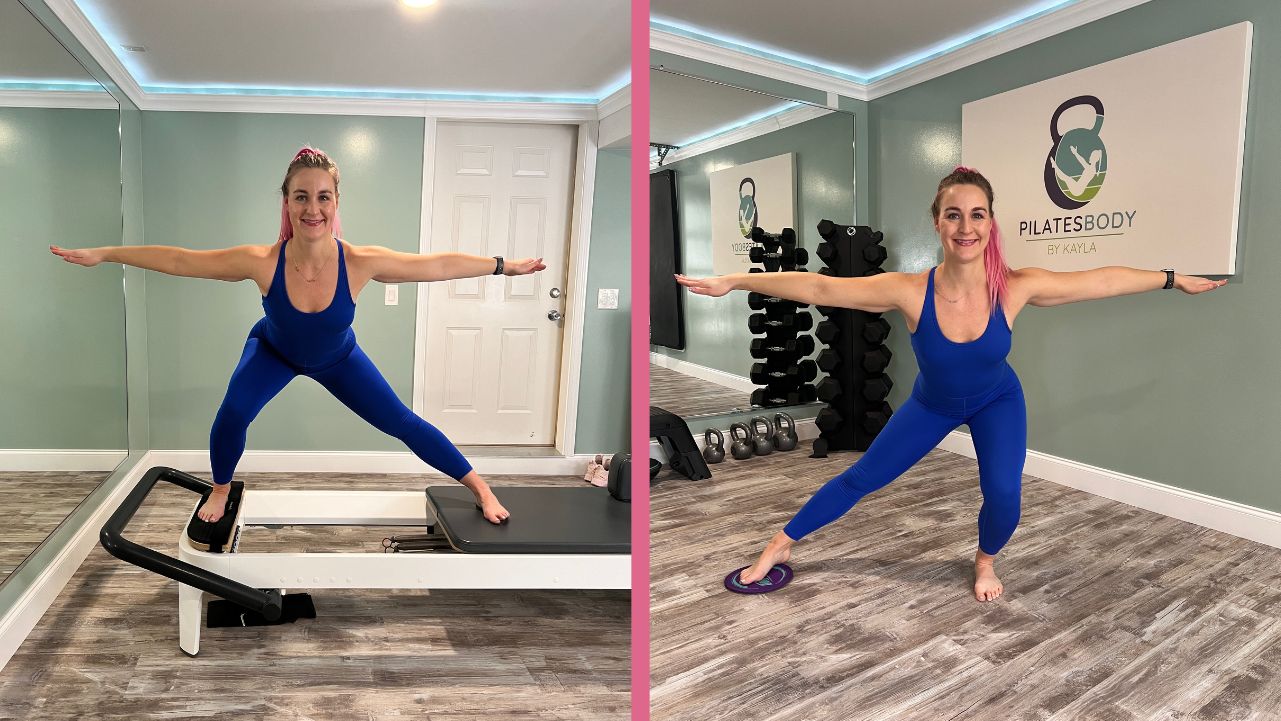
Absolutely! You don’t need to drop thousands on a reformer to feel the benefits. I tell my clients all the time—grab a resistance band, a pair of sliders (or even socks on hardwood), and some ankle weights, and you’ve got yourself a reformer-inspired workout. Bands mimic the spring tension, sliders recreate that smooth carriage glide, and a mini ball challenges your core just like the instability of the machine. And the best part? All of this equipment fits in a drawer. I promise—you’ll be surprised how much you can replicate right in your living room.
Not really. It’s less about the equipment and more about what you’ll actually stick with. Both styles build core strength, balance, and muscle endurance, and studies show Pilates in general improves posture and stability. Some people love the vibe of a studio, but honestly, a lot of my clients get better results at home because they’re consistent. No commute, no $40 classes—just rolling out a mat and showing up a few times a week.
Here’s the real talk: a reformer machine usually costs $1,000–$5,000. On top of that, studio classes can run $30–$60 per session. Compare that to a $20 resistance band, $15 sliders, or a $25 mini ball, and you’ve basically recreated the setup for the cost of one or two classes. If budget or space is holding you back, props are 100% the smarter option. I put together my favorite picks here: The 10 Best Pilates Equipment for At Home Workouts.
A mix of mat Pilates with props is where the magic happens. Resistance bands give you the “spring tension,” sliders add that smooth push-pull feel, and a mini ball makes even the simplest moves way harder. Add in some light dumbbells or ankle weights and you’ve got a routine that not only mimics the reformer but also builds serious strength. Honestly, this is why I create challenges like my 28-Day Wall Pilates Challenge—it’s proof you don’t need a reformer to feel stronger, leaner, and more defined.
Yes! According to Medical News Today, mat Pilates is just as effective as reformer classes when it comes to improving strength, posture, and flexibility. From what I’ve seen coaching clients, the real difference isn’t the machine—it’s consistency.
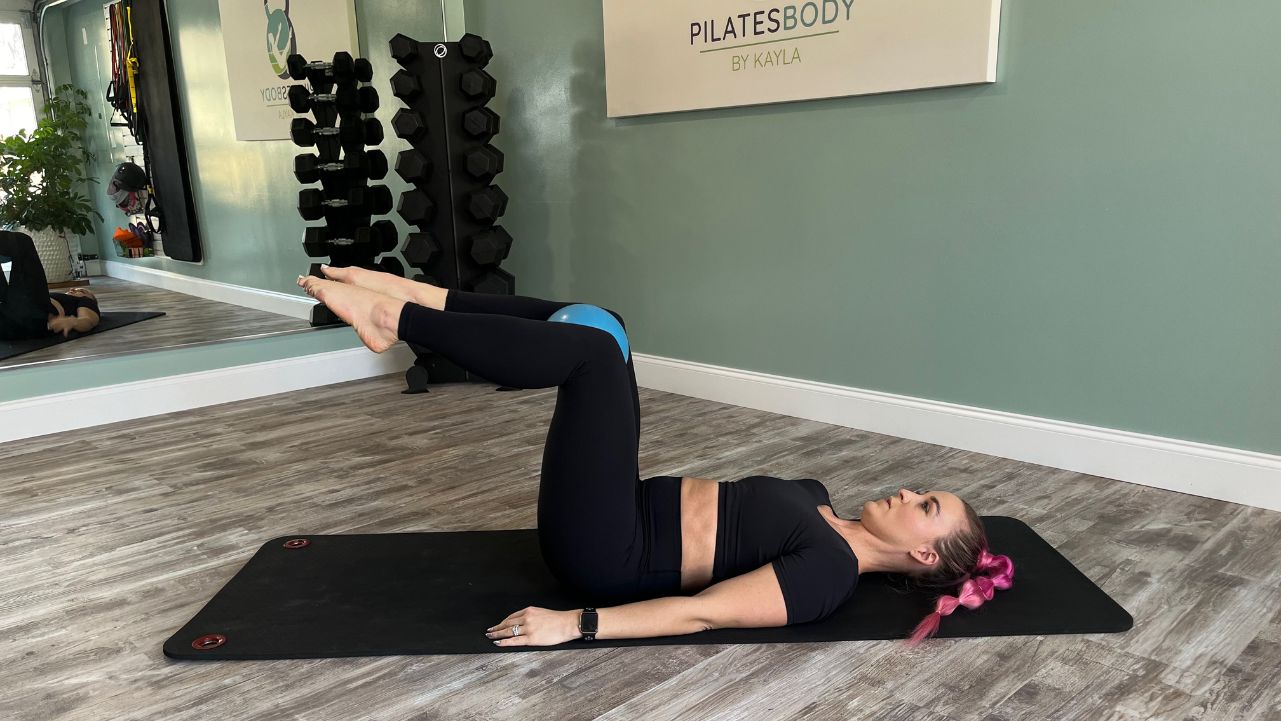
You don’t need a massive machine to get reformer-level results. With a few smart, affordable props, you can recreate the same resistance, alignment, and muscle engagement right in your living room. Below are my favorite tools for reformer Pilates at home.
This set of loop resistance bands offers multiple strength levels, making it easy to modify or intensify exercises. A must-have for glute work, core activation, and low-impact strength training.

These 8.9″ diameter gliding discs allow for smooth, graceful movement and a greater range of motion while keeping proper foot placement. Designed to last, with durable materials that withstand daily use.
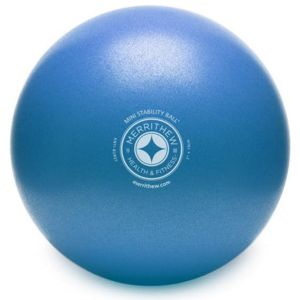
This 7.5-inch mini ball is small but mighty—great for inner thigh squeezes, pelvic tilts, and deep core work. It’s also perfect for supporting the spine during challenging ab series.
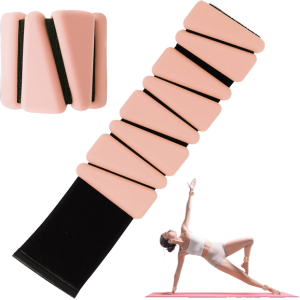
These adjustable ankle weights are great for lower-body workouts and adding intensity to mat-based leg work without stressing the joints.
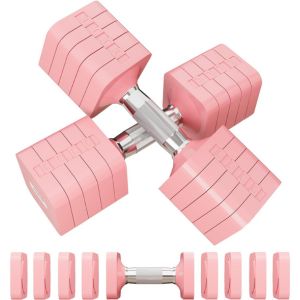
These adjustable dumbbells offer a secure, non-slip grip and square shape that prevents them from rolling. Durable and compact, they’re perfect for strength training at home.
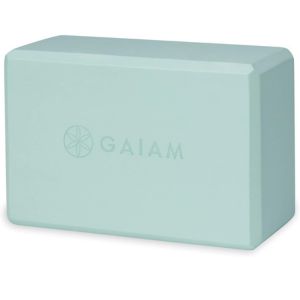
The Gaiam yoga block is an essential tool for aiding in poses and flexibility. Provides the stability and balance needed for optimal alignment, deeper poses, and increased strength.
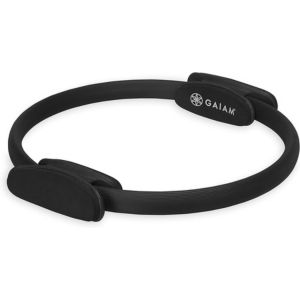
This lightweight ring adds resistance to inner thigh, chest, and arm work—perfect for engaging smaller stabilizing muscles and building tone with control.
This medium density foam roller is an essential tool for self-myofascial release, helping to alleviate muscle tension and soreness. It’s great for targeting specific muscle groups after workouts.
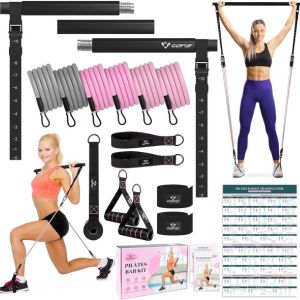
This Pilates bar kit includes a lightweight bar, resistance cords, and foot straps so you can replicate reformer-style moves right at home. It’s compact, portable, and comes with a guide to help you target your core, arms, and lower body.
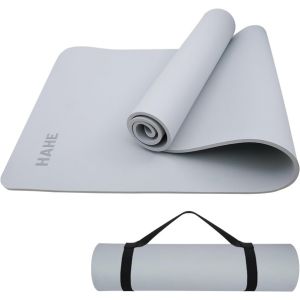
This high-quality mat provides good cushioning and support for low-impact workouts. It’s non-slip, durable, and sweat absorbent for yoga, Pilates, and home floor workouts.
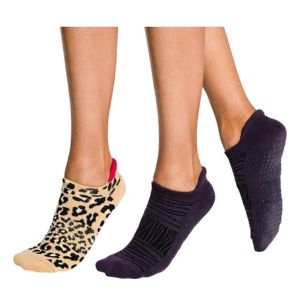
These non-slip grip socks provide traction and stability for Pilates workouts, especially on hardwood or reformer machines—plus, they keep your feet cozy and clean.
At the end of the day, Pilates isn’t about the equipment—it’s about how consistently and intentionally you move your body. Reformer classes can be a fun and motivating option if you love the studio setting. But the truth is you can build just as much strength, stability, and muscle definition with a mat and a few budget-friendly props.
What matters most is finding a routine you can actually stick with—one that fits your schedule, your budget, and your lifestyle. That’s where at-home Pilates shines. Whether you’re rolling out your mat in the living room during nap time, squeezing in a quick session before work, or adding a mini ball and resistance band for extra challenge, you can absolutely see results without a reformer.
So the next time you scroll past those glossy reformer videos and wonder if you’re missing out, remember this: the real “secret” to Pilates results isn’t the machine, it’s you showing up consistently. And that’s something you can start today, right from home.
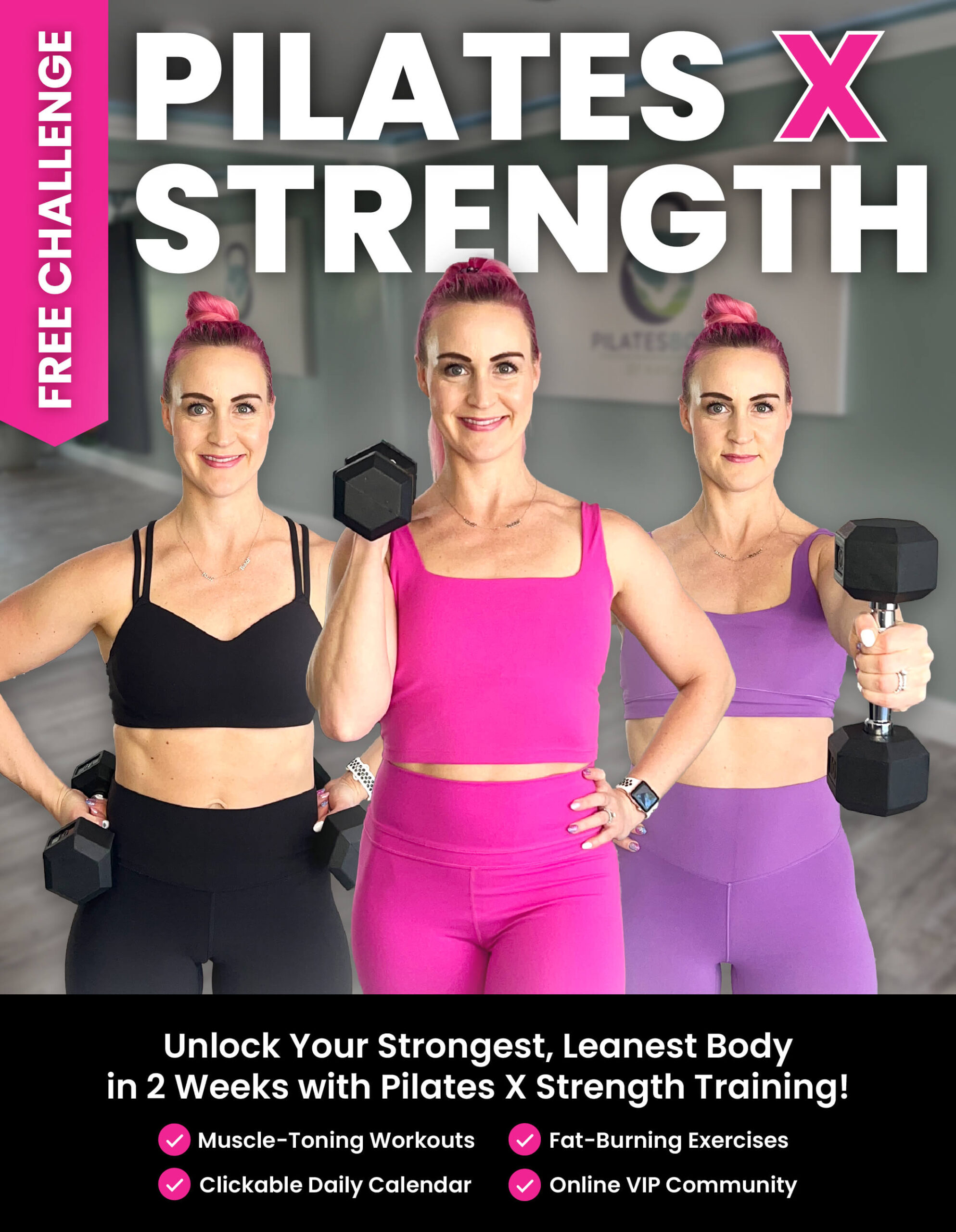
And if you want to experience what that looks like in action, I’ve created a free 2-week Pilates X Strength challenge that gives you a taste of how powerful consistent at-home workouts can be.
Your Friend & Pilates Expert,

Kayla Brugger
Founder of PILATESBODY by Kayla
Founder of PILATESBODY On-Demand
Hi, I'm Kayla Brugger. Certified Pilates Instructor & Minnesota Mama of 2.