The Difference Between Clean, Organic, and Natural Cosmetics Products
If you’ve ever felt confused by the words clean, organic, and natural on beauty labels, you’re not alone. These terms are everywhere, but they don’t always mean the same thing. Once I started paying attention to what was actually in my products, I realized how important it is to understand these differences before tossing something in your cart just because it sounds healthy.
Here’s a simple breakdown:
Clean Makeup
Clean makeup means a product is made without ingredients known or suspected to harm human health—like parabens, formaldehyde, or phthalates. But clean doesn’t always mean 100% natural; some formulas use safe synthetics that are tested for safety and stability. The EWG defines clean beauty as prioritizing ingredient transparency and avoiding substances linked to toxicity or irritation.
Organic Makeup
Organic makeup uses ingredients grown without pesticides, synthetic fertilizers, or GMOs—typically verified by certifications like USDA Organic. These plant-based ingredients are cultivated in ways that are safer for your skin and the environment. Research in Frontiers in Public Health notes that synthetic ingredients in conventional cosmetics can accumulate in the body and contribute to irritation and hormonal disruption—one reason more people are choosing organic alternatives.
Natural Makeup
Natural makeup simply means the ingredients are derived from plants, minerals, or other naturally occurring sources—but here’s the catch: the term natural isn’t legally regulated. That means some products marketed as “natural” can still include synthetic additives or preservatives.
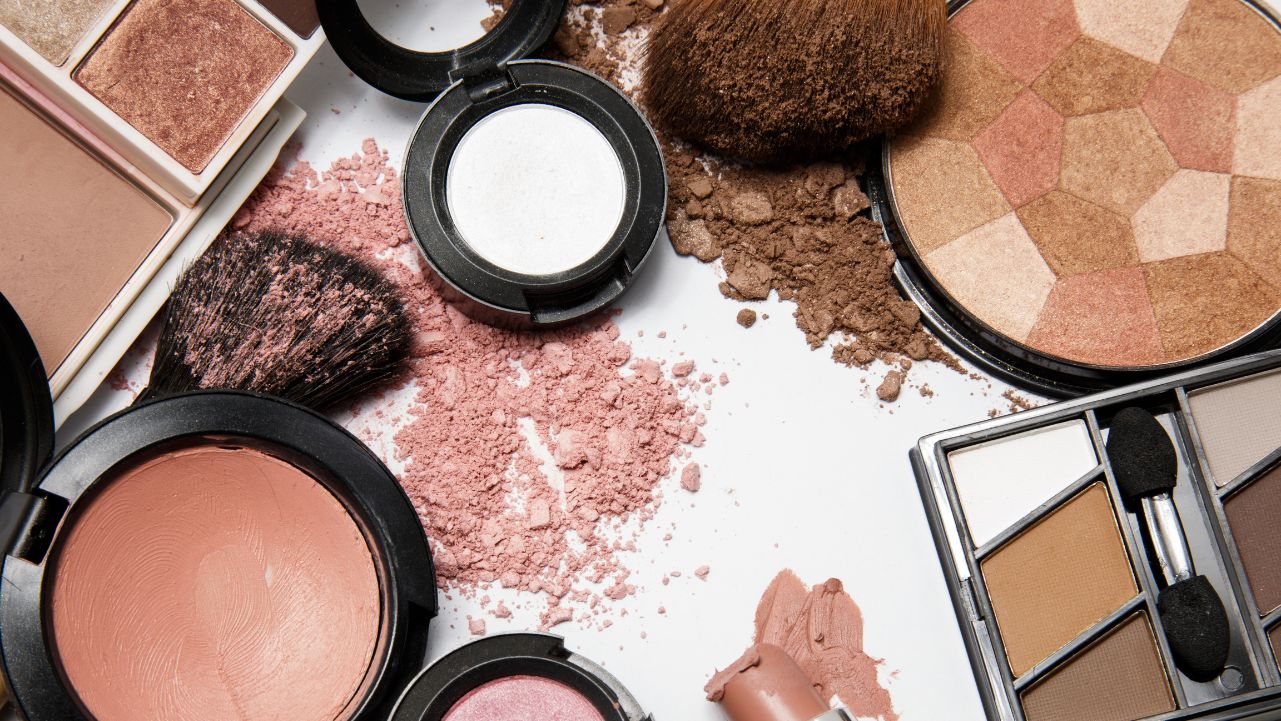
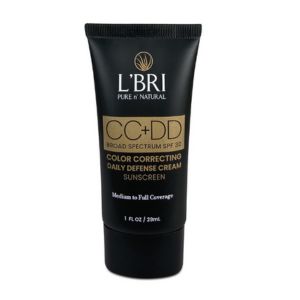
In short, organic clean makeup usually delivers the best of all worlds: purity, safety, and performance. Think of a tinted moisturizer made with aloe and fruit pigments instead of silicones and artificial dyes. It still gives you that radiant finish, just without the questionable chemicals.

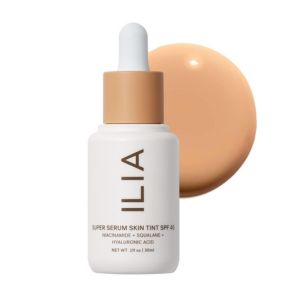
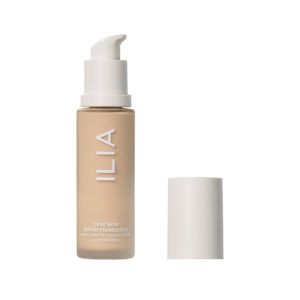
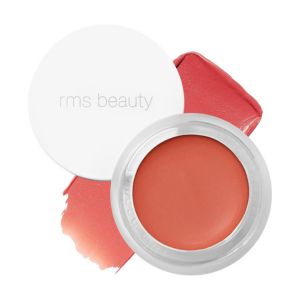
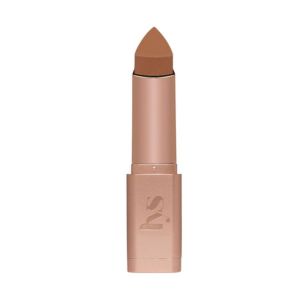
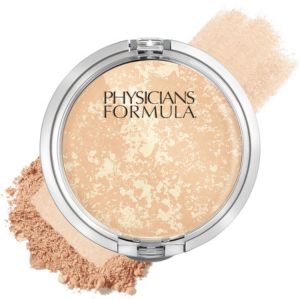
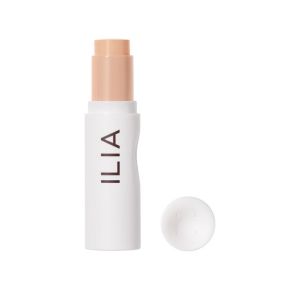
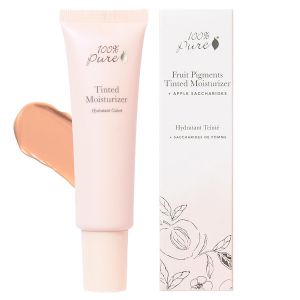
Such a thorough guide the section on greenwashing is so important and honestly more people need to read it before they go shopping. The tip about starting with your most-used products first is exactly the right approach, foundation and lip products are the ones to prioritize since they’re on your skin the longest. ILIA and RMS are both favorites for good reason. For anyone who still finds the vetting process overwhelming, Beauty Heroes is worth bookmarking everything on their site has already been screened so you’re not doing the research from scratch every time. Really great resource Kayla!