Red light therapy isn’t just for spas anymore—you can now get the same skin, pain relief, and recovery benefits right at home. From masks and lamps to full-body mats, these devices make it easy to add light therapy to your daily routine. In this guide, I’ll share the science-backed benefits, what to look for when shopping, and my top-rated red light therapy devices for home use.

Red Light Therapy Benefits and Devices for Home Use cover.

Red Light Therapy Benefits and Devices for Home Use: Safe, Effective, and Affordable Options

Red light therapy has quickly become one of the most talked-about wellness tools—and honestly, I can see why. Whether your goal is smoother skin, less joint pain, or quicker muscle recovery, red light therapy devices for home use make it possible to enjoy professional-level benefits without ever stepping into a spa.

What I love most is the flexibility. You don’t have to carve out time for an appointment or drop $100 per session. Instead, you can grab a device that fits your lifestyle—whether that’s a face mask, a portable handheld, or a full-body mat—and make it part of your daily routine. In this post, I’ll share the key benefits, what to look for when shopping, and my top picks for 2025 to help you choose the right option for your goals.

This post includes affiliate links. I do earn a commission for products purchased using these links (at no additional cost to you). Thank you for supporting PILATESBODY by Kayla, making the content you see on this blog possible.

Why Use Red Light Therapy at Home

Research shows that red light therapy supports the following:

  • Skin rejuvenation & anti-aging – Boosts collagen production, smooths fine lines, and helps with acne scarring. According to the Cleveland Clinic, red light therapy (RLT) uses low-level red light to improve skin appearance by targeting wrinkles, acne, scars, and redness. It’s believed to work by stimulating the mitochondria in skin cells. This process boosts collagen and fibroblast production, increases blood flow, and reduces localized inflammation, contributings to firmer, more youthful-looking skin.
  • Inflammation & pain reduction – Reduces joint stiffness, supports arthritis relief, and aids post-workout recovery. WebMD reports that it may be especially useful for pain caused by inflammation. A review of 11 studies found mostly positive results for pain relief, though researchers noted more studies are needed. Red light therapy has also shown promise for people with rheumatoid arthritis, offering short-term improvements in pain and morning stiffness.
  • Muscle recovery & performance – Helps athletes and active individuals recover faster and reduce soreness. Research shows that red and near-infrared light (photobiomodulation) can enhance exercise performance and speed up recovery. A review of clinical trials, posted to the National Library of Medicine, found that using light therapy before or after workouts enhanced muscle strength, reduced fatigue, lowered soreness, and improved recovery markers like creatine kinase levels. The evidence suggests that red light therapy helps athletes and active individuals train harder and bounce back quicker.

And the best part? At-home red light therapy devices save you both time and money. A single spa session typically costs between $50 and $100, and while you might see results, you’d need multiple visits to maintain them. That adds up fast! By comparison, investing in your own device (many of which you can find on Amazon) pays for itself after just a few sessions. Plus, at-home devices give you the freedom to create a consistent routine—whether that’s a quick 10-minute session before bed or a post full body Pilates workout recovery without having to book an appointment or leave the house.

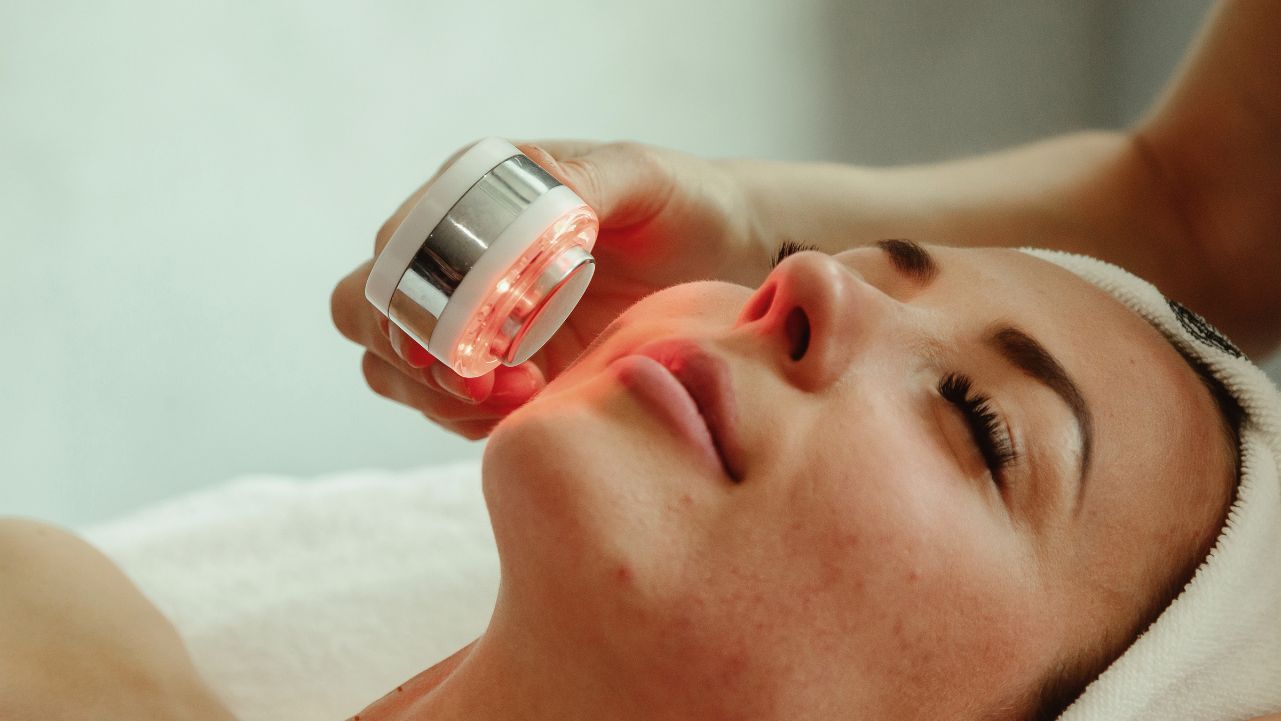
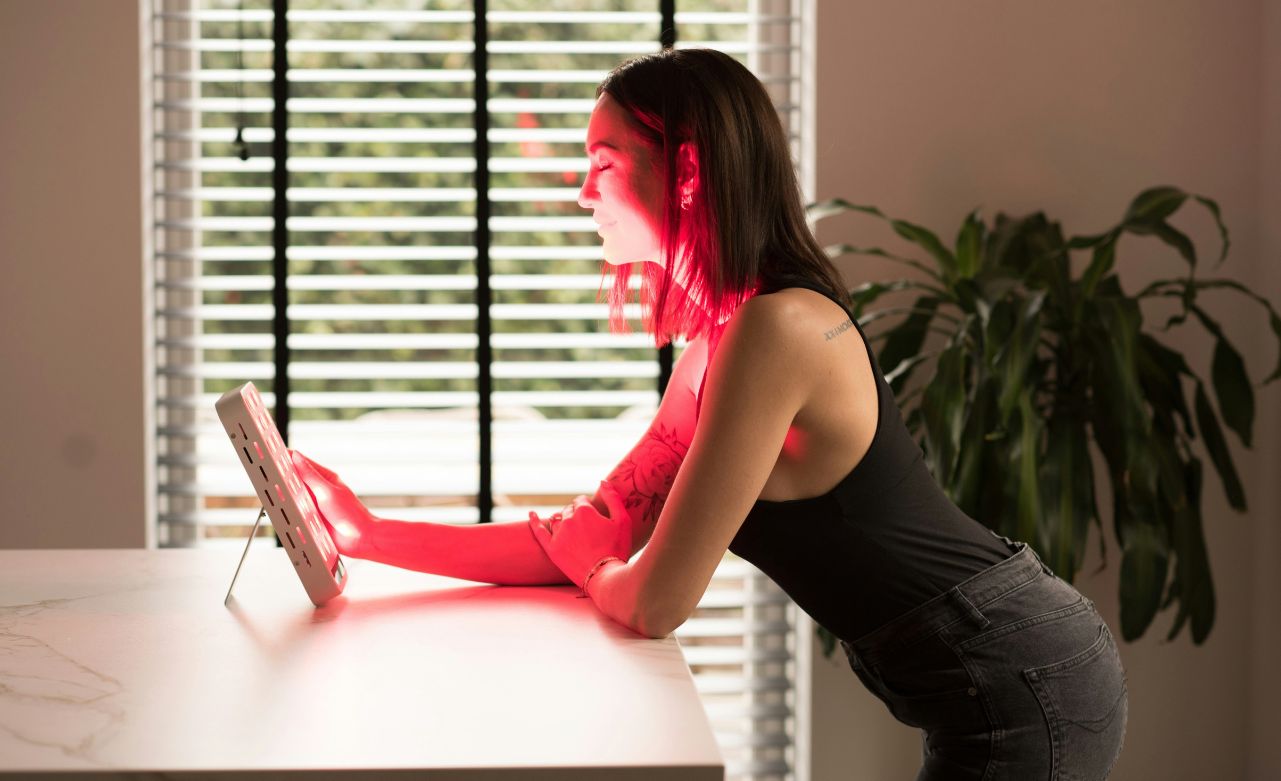
A woman getting red light therapy benefits for her face.

What to Look for in the Best Red Light Therapy Devices

When shopping for red light therapy devices for home use, here are the features that matter most:

Wavelengths (Red + Near-Infrared):

  • According to a review posted to the National Library of Medicine, it’s best to look for devices that combine red light (620–700nm) for skin rejuvenation with near-infrared (700–1440nm) for deeper muscle and joint relief.
  • My favorite devices offer both—it feels like I’m getting a mini spa facial and post-workout recovery session in one.

Size & Coverage Area:

  • A red light therapy mask works best for anti-aging and acne.
  • Larger panels are better for whole-body recovery and pain relief.
  • Personally, I love my mid-size panel; it’s not as overwhelming as a full wall panel but covers way more than a small handheld.

Portability vs. Full-Body Devices:

  • Handhelds are lightweight, easy to travel with, and perfect for spot treatments (like sore knees or shoulders).
  • Full-body panels let you sit or stand in front of the device for an all-over session.
  • I keep a portable option in my office so I can sneak in quick 10-minute sessions—it’s one of my favorite features for staying consistent.

Safety Certifications:

  • Choose devices that are FDA-cleared or come with built-in safety features like automatic shut-off or protective eyewear.
  • If you want to treat delicate areas, a red light therapy eye mask is a safe and effective option for fine lines around the eyes.
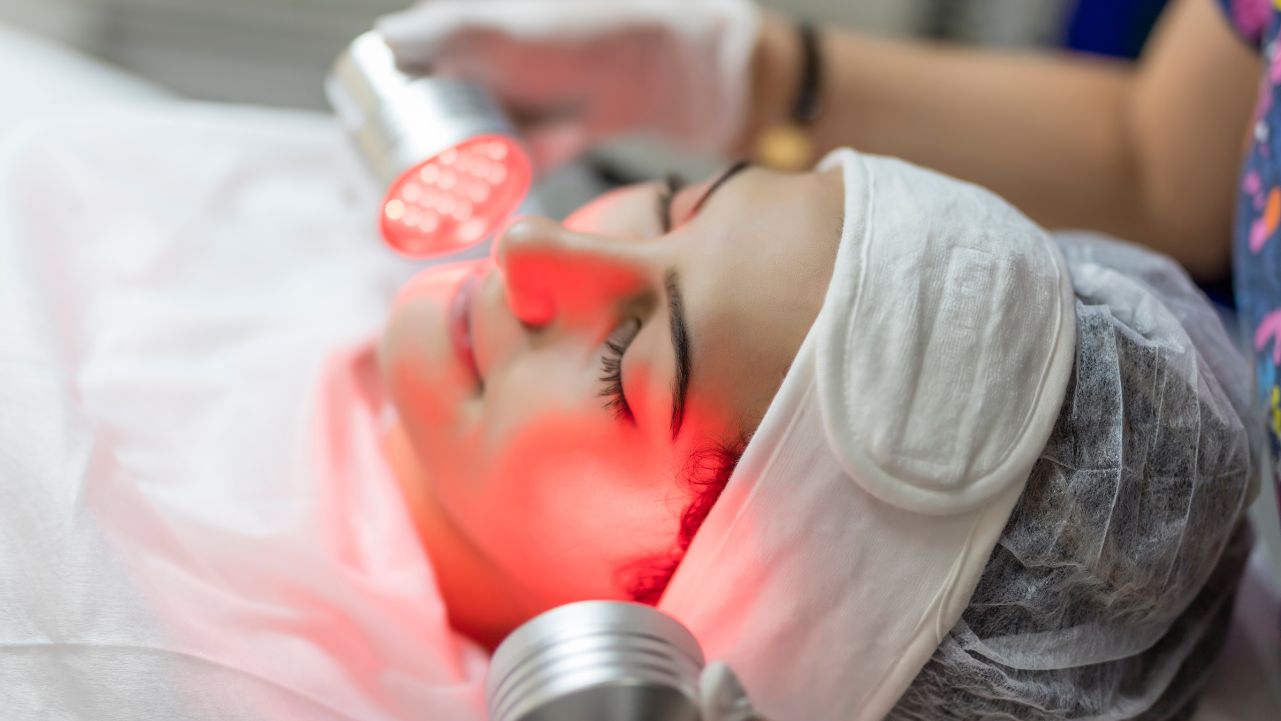
A woman getting red light therapy for her face.

How to Use Red Light Therapy Devices Safely at Home

To get the best results with red light therapy devices for home use, follow these guidelines:

  • Session length: Most people benefit from 10–20 minutes per area. Shorter sessions are fine when you’re starting out, but I’ve noticed I see the best results when I commit to the full 20 minutes—especially for post-workout soreness.
  • Frequency: Aim for 3–5 sessions per week for noticeable improvements. I find it easiest to get my red light facial sessions in while I’m doing meal prep for the week—it’s such a simple way to stack habits and make sure I stay consistent without feeling like I’m adding one more thing to my to-do list.
  • Eye protection: Always protect your eyes. Use goggles if your device doesn’t include built-in safety features. I personally keep a pair of wraparound glasses right next to my panel so I never forget.
  • Distance: Follow your device’s manual, but typically keep the light 6–12 inches from the skin. I like to set mine up so I can read or stretch while the light is working—it makes the time fly by.
  • Routine: Like any wellness habit, consistency is key. Make it a new step to your self-care routine, active recovery, or bedtime ritual.
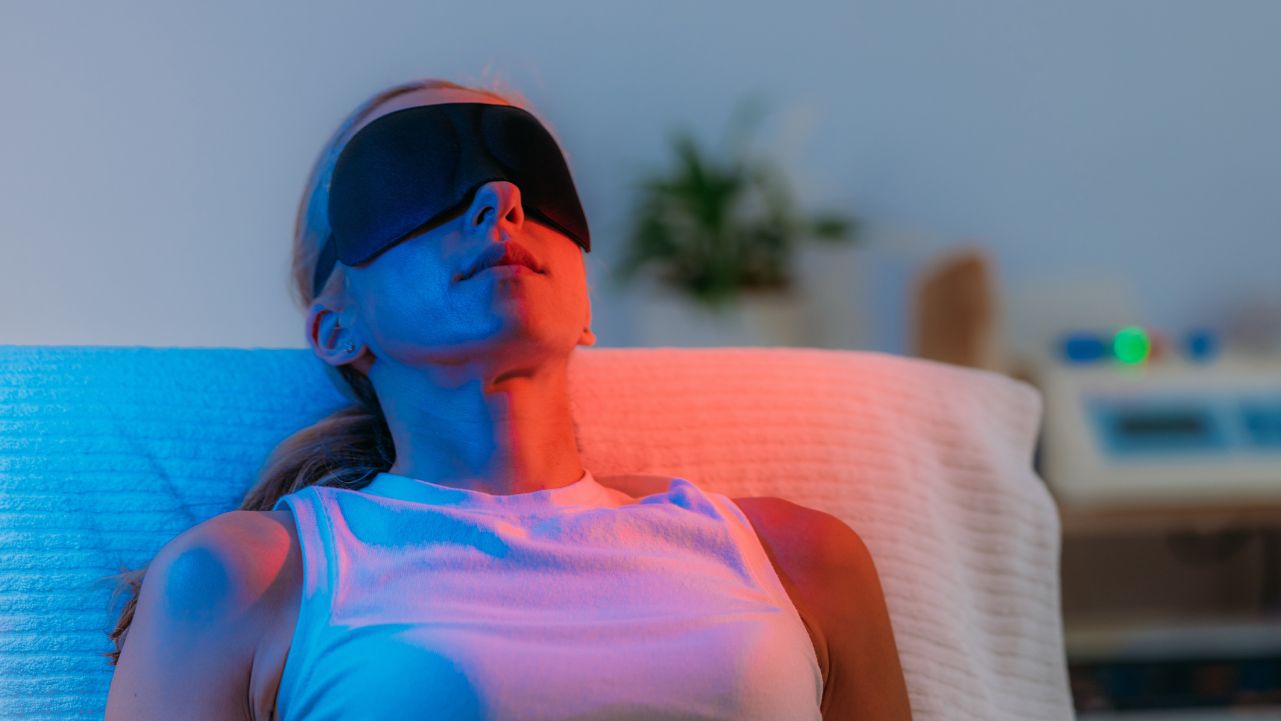
A woman with an eye mask getting red light therapy benefits at home.

FAQ About Red Light Therapy

What is red light therapy good for?

Red light therapy is widely used for skin health and anti-aging because it can boost collagen, smooth fine lines, and reduce acne scarring. It’s also been studied for pain relief and inflammation, making it a helpful tool for joint stiffness or recovery after workouts. Personally, I love that it feels like a “multi-tasker”—I can use it for glowing skin, but I also notice less post-workout soreness when I stay consistent. Many people also use it for wound healing and overall wellness support, since it stimulates the body’s natural repair processes.

How often should you do red light therapy?

Most experts recommend 3–5 sessions per week. Think of it like exercise—doing it once in a while might feel good, but consistency is where the results happen. I’ve found that setting a schedule (like Monday, Wednesday, Friday) helps me stick with it. And since the sessions are short, it’s easy to layer into your skincare routine or add after a workout.

How long should you do red light therapy?

A typical session lasts 10–20 minutes per area, depending on the size and intensity of your device. Smaller handhelds might need more time per spot, while panels can cover a large area quickly. Personally, I prefer 15–20 minutes in the evening—it feels like part of my self-care wind-down. The key is not overdoing it; more time doesn’t mean faster results, and most devices include guidance on ideal session length.

Is red light therapy safe for home use?

Yes—when you choose an FDA-cleared device and follow directions, red light therapy is considered safe. Unlike tanning beds, it doesn’t contain UV rays, so you don’t have to worry about skin damage. Side effects are rare, but I still recommend using goggles if your device doesn’t include built-in eye protection. I keep mine in a drawer right by my panel so I never forget. That little habit gives me peace of mind.

Do red light therapy devices really work?

Yes—backed by research, these devices have shown benefits for skin rejuvenation, pain management, and recovery. But it’s not a quick fix; results come with consistent use over time. I started noticing subtle changes (like reduced muscle soreness and calmer skin) after a few weeks, with bigger improvements around the 2-month mark. For me, the convenience of using it at home makes it much easier to stay consistent than if I had to book spa appointments.
Maximize Red Light Therapy Benefits with These Home Devices

Top Rated Red Light Therapy Devices for Home Use

If you’re ready to experience red light therapy benefits at home, the right device makes all the difference. From masks that target fine lines to full-body mats for recovery, these top-rated options bring spa-quality results straight to your living room. Here are my favorite picks that are safe, effective, and designed to fit a variety of wellness goals and budgets.

  1. Red Light Therapy Mat
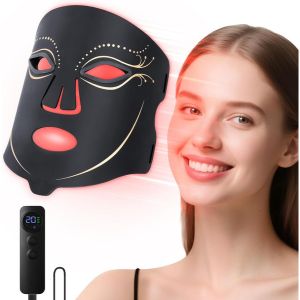
  2. 4-Mode Red Light Therapy Mask
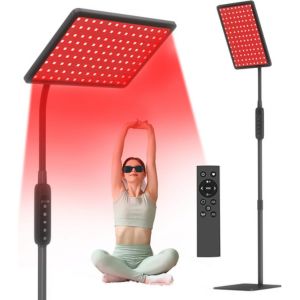
  3. Red Light Therapy Lamp
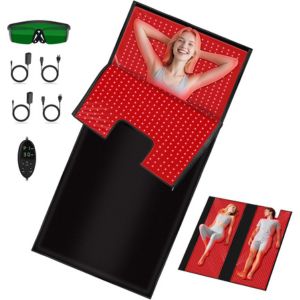
  4. Full Body Red Light Therapy Mat
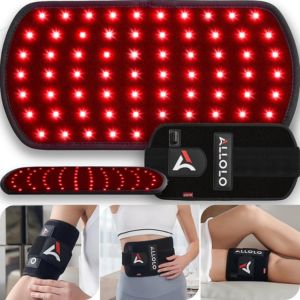
  5. Red Light Therapy Belt
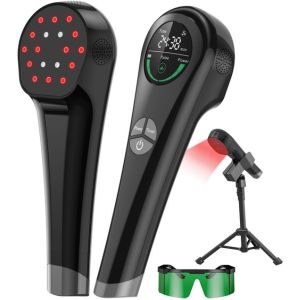
  6. Cold Laser Handheld Red Light Therapy Device
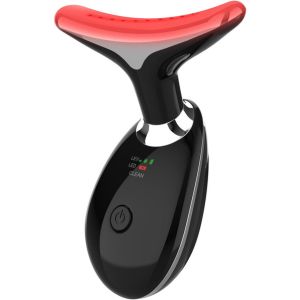
  7. Facial Massager

This mat combines 660nm red light and 850nm near-infrared wavelengths with five brightness levels and multiple frequency settings for customizable treatment. The remote control makes it easy to adjust modes and set timers, while the spacious design with 242 LEDs covers larger areas like the back, waist, or legs. Perfect for athletes, office workers, or anyone wanting effective at-home recovery support.

This lightweight silicone mask combines red (660nm), blue (460nm), and near-infrared (850nm) light to support clearer, smoother skin. With 4 modes, 3 brightness levels, and 5 timer settings (10–30 minutes), it’s easy to use while reading, meditating, or relaxing. Eye-friendly and foldable, it helps you skip pricey spa facials with consistent at-home use—making it a thoughtful self-care gift or upgrade to your skincare routine.

With 120 red (660nm) and 240 near-infrared (850nm) LEDs, this 3-in-1 panel delivers full coverage for both skin and muscle recovery. The gooseneck design and adjustable brightness (25%–100%) make it easy to target areas like the face, neck, back, or joints. I especially love using it while doing restorative stretches—it feels like I’m doubling up on recovery. Use the touch or remote controls to set 10–30 minute sessions, 5–6 times per week for best results. Complete with protective goggles, it’s a versatile at-home option for improving skin texture, easing soreness, and boosting overall vitality.

This dual-mat system (71″x31.5″) zips together to create a 360° sleeping bag-style design for deep tissue coverage. Featuring red (660nm) and near-infrared (850nm) wavelengths, it supports skin health, circulation, and joint pain relief. With 5 intensity levels, 3 smart modes, and dual controllers, you can customize each session (10–90 minutes). Perfect for athletes, chronic pain sufferers, or anyone seeking full-body recovery, it’s a professional-grade option that replaces costly salon visits.

Doctor-recommended and equipped with 70 professional lamp beads (660nm red + 850nm near-infrared), this wearable belt targets pain, inflammation, and muscle soreness. With 4 modes (red, infrared, combined, and pulse) and an adjustable strap, it’s versatile enough for the back, waist, shoulders, legs, or even pets. The portable design plugs into USB or wall power, with timer options from 5–30 minutes. Lightweight and easy to use at home or on the go, it’s a practical and affordable alternative to costly spa visits.

Featuring 4 near-infrared (808nm) and 14 red (650nm) lights, this compact device penetrates deep into tissue to ease soreness and joint discomfort. With 5 intensity levels, 6 timer settings (5–30 min), and two modes (continuous or pulse), it’s fully customizable. The included stand makes hands-free use easy, while its lightweight (0.9 lbs) design is perfect for travel. Safe, non-invasive, and even suitable for pets, it’s a convenient daily recovery tool.

This compact 7-color light therapy device combines vibration and gentle heating to support skin rejuvenation, product absorption, and even double chin reduction. The arched design glides smoothly across the face and neck, making it a great add-on to your skincare routine. Portable and stylish, it’s perfect for daily use or travel—just 5–10 minutes per session. A thoughtful beauty gift that comes with a USB cable and easy-to-follow instructions.

Related Products

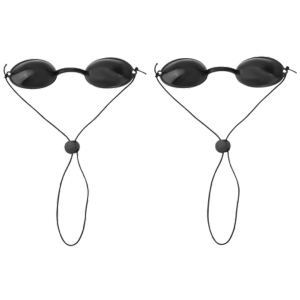
Protective Goggles

Red light therapy eye protection goggles.

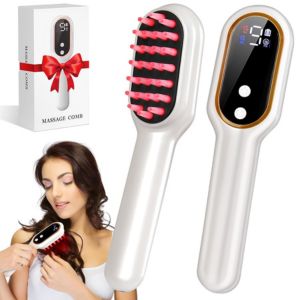
Hair Growth Comb

Red light therapy hair growth comb.

Final Thoughts: Are Red Light Therapy Devices Worth it?

If you’re serious about investing in your skin, joint health, or fitness recovery, then yes—red light therapy devices for home use are absolutely worth considering. They’re safe, far more affordable than repeated salon or spa visits, and supported by a growing body of research showing real benefits.

That said, results won’t happen overnight. Most people begin to notice changes in 4–8 weeks with consistent use. Think of it like strength training or Pilates—it’s not a quick fix, but the small, regular sessions build up to big results over time.

For me, what makes these devices worth it is the convenience and flexibility. I don’t have to book an appointment or drive across town—I can fit in a 15-minute session after a workout, during my skincare routine, or even while answering emails. Having that kind of freedom makes it so much easier to stay consistent, and consistency is where the results come from.

So whether your goal is to reduce fine lines, speed up workout recovery, or ease everyday aches, there’s an at-home device that can support you. And the peace of mind knowing you can take care of yourself on your own schedule? That’s priceless.

Your Friend & Pilates Expert,

signature-01

Kayla Brugger
Founder of PILATESBODY by Kayla
Founder of PILATESBODY On-Demand

Join the 21-Day Pilates Strength Challenge. Free Workout Videos + Workout Calendar

Download your PDF Workout Calendar and easily access the Daily Workouts directly to YouTube.

Free 21-Day Pilates Strength Challenge - Pilates Strength Training - Pilates Workout Calendar - PILATESBODY by Kayla

Join the 21-Day Pilates Strength Challenge. Free Workout Videos + Workout Calendar

Download your PDF Workout Calendar and easily access the Daily Workouts directly to YouTube.