Looking for a sunscreen that’s safe for your skin and the planet? In this guide, you’ll find top non-toxic picks, tips for applying mineral SPF, and why reef-safe matters—plus my go-to walking shoes and grab-and-go snacks for the perfect summer day.

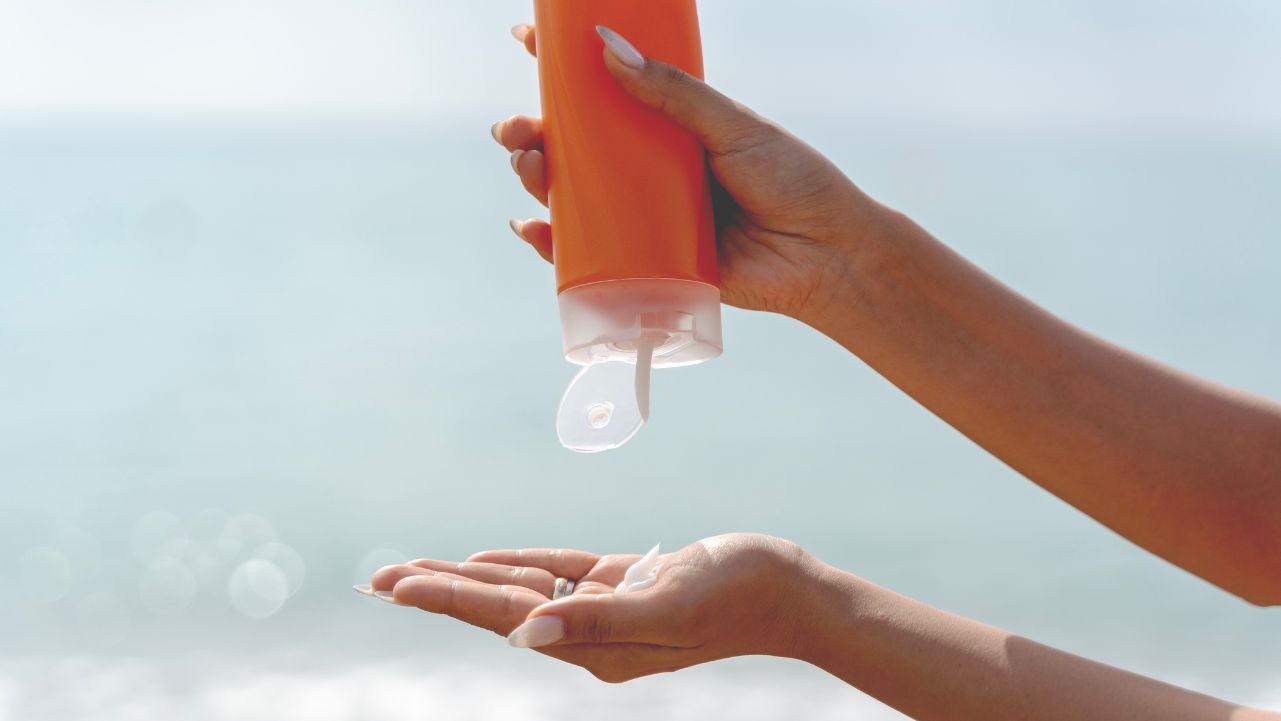
Ever feel like shopping for sunscreen is more confusing than it should be? You grab a bottle that says “natural” or “clean,” but when you flip it over, the ingredient list feels like a science experiment. Suddenly, you’re left wondering: is this really safe for my skin? And what about my kids—or the environment? I’ve been there too, and I know how overwhelming it can feel to find a sunscreen that actually lives up to those claims.
That’s why I started digging into the research and making the switch to non-toxic, mineral-based sunscreens. In this blog, I’m breaking down everything I’ve learned—plus my top sunscreen picks, tips for application, and a few of my favorite summer essentials to keep you protected, glowing, and feeling good in your skin.
This post includes affiliate links. I do earn a commission for products purchased using these links (at no additional cost to you). Thank you for supporting PILATESBODY by Kayla, making the content you see on this blog possible.
When we talk about non-toxic or chemical-free sunscreen, we’re usually referring to mineral-based formulas that use zinc oxide or titanium dioxide as active ingredients. These minerals sit on top of the skin and physically reflect harmful UV rays, rather than absorbing them into the bloodstream like many chemical sunscreens.
This distinction matters for both health and environmental reasons. According to the U.S. Food and Drug Administration (FDA), “Only two of the 16 active ingredients currently used in marketed sunscreen products—titanium dioxide and zinc oxide—are generally recognized as safe and effective (GRASE) for use in sunscreens” [FDA, 2022]. The safety of the remaining 12 chemical UV filters, including common ones like oxybenzone and avobenzone, has not been confirmed due to insufficient data. These ingredients have been linked to hormone disruption, allergic reactions, and environmental concerns—particularly the damage they cause to coral reefs and marine life.
Choosing a mineral-based, non-toxic sunscreen is a safer, more responsible way to protect your skin and the planet.
Not all products labeled “natural” or “clean” are actually free from harmful ingredients. Marketing claims can be misleading, so it’s important to read beyond the front of the label and check the ingredient list and certifications. Here’s how to identify a truly non-toxic sunscreen that’s safe for you and your family:
These mineral ingredients are FDA-recognized as safe and effective, and they work by physically blocking UVA and UVB rays. “Non-nano” means the particles are too large to penetrate your skin or enter the bloodstream.
Look for trusted third-party certifications that signal a product is truly clean:
One of the biggest complaints about mineral sunscreen? That ghostly white tint. Here’s how to avoid it:
Pro tip: If you’re heading out for a long walk or beach day, pair your SPF with a good pair of walking shoes to protect your skin and your feet—and don’t forget to pack a few healthy grab-and-go snacks to keep your energy up while you’re out in the sun.
Want to double-check your sunscreen label before committing? These free apps let you scan barcodes or search products to quickly see how safe they really are—making your sunscreen (and skincare) shopping smarter and safer:
Backed by the Environmental Working Group, this app is one of the most trusted resources for evaluating product safety. As Harvard Health Publishing notes, it can help you “find products that meet your standards by scanning the product’s barcode or entering the product name.”
Scans the ingredients of food and cosmetics and rates them based on their health impact, using open-source research and scientific publications. It’s praised for its clean interface and straightforward scoring system. As noted by the World Cancer Research Fund, “Yuka has grown in popularity due to its simplicity and transparency. It gives users a sense of empowerment to make better choices.”
Focuses exclusively on cosmetics and personal care, giving each product a “Dirty Meter” rating from 0 (clean) to 10 (toxic). It also breaks down which ingredients contribute to a product’s score.
Chemical sunscreen absorbs UV rays, while mineral sunscreen physically blocks them. Mineral formulas are often gentler on the skin and safer for the environment.
Yes, as long as you’re using a broad-spectrum mineral sunscreen and applying it properly. I apply it generously (think: teaspoon for the face, shot glass for the body) and reapply every 2 hours when I’m outdoors. Especially during family lake days or long walks, mineral sunscreen has done its job.
This was one of my biggest concerns when I first switched. The good news? Most high-quality natural sunscreens are labeled non-comedogenic, which means they won’t clog your pores. If you have sensitive or acne-prone skin, look for lightweight, oil-free, or matte-finish formulas. I’ve had the best luck with tinted mineral sunscreens—they even out my skin tone and double as light coverage on no-makeup days.
Yes—mineral sunscreen is actually my go-to for my kids! It’s pediatrician-approved, free of harsh chemicals, and less likely to irritate sensitive skin. I always check for age recommendations on the label (some brands are safe for 6 months and up), and I prefer stick versions for quick, mess-free application on squirmy little faces. A bonus? No complaints of burning eyes like we used to get with chemical options.
Reef-safe sunscreens avoid ingredients like oxybenzone and octinoxate, which are harmful to coral reefs. Most mineral sunscreens are reef-safe by nature, making them an easy, responsible swap for beach days, lake weekends, and poolside lounging. And when I’m out in the sun chasing the kids or hopping in the water, I rely on athletic two-piece swimsuits that actually stay put—no constant adjusting, just comfort and coverage that moves with me.
Here are our top picks for the best non-toxic sunscreen options, broken down by category.
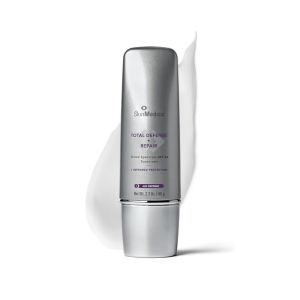
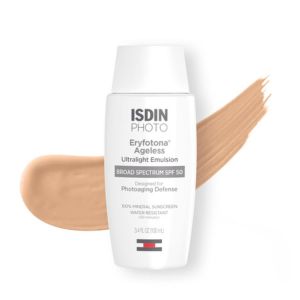
Antioxidant-rich, lightweight formula ideal for daily wear and layering under makeup.
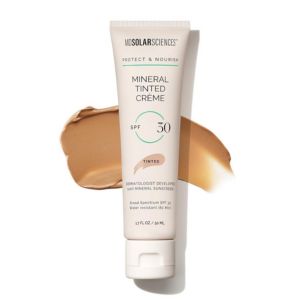
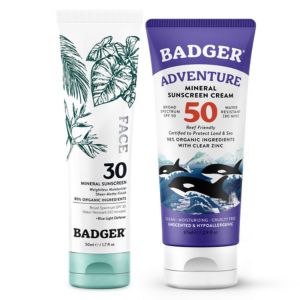
Mineral SPF 30 with a matte finish and subtle tint—great for sensitive or acne-prone skin.
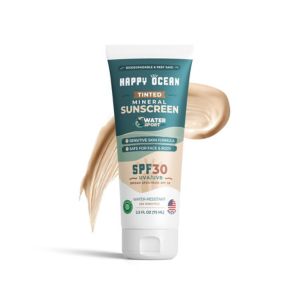
Reef-safe zinc sunscreen with a hydrating, blendable tint.
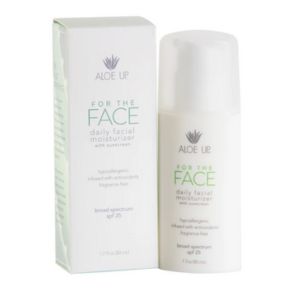
This aloe-rich daily facial lotion offers lightweight hydration with broad-spectrum SPF 25 protection—perfect for daily wear under makeup or on its own.
Use code KAYLAB for 10% off your order!
This lightweight, oil-free moisturizer protects the skin from the sun’s harmful UVA & UVB rays while locking in moisture.
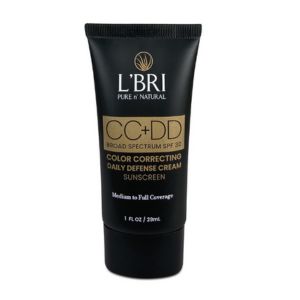
This multitasking CC+DD cream delivers lightweight coverage with SPF 30, evens skin tone, and keeps your face fresh and glowing with a soothing, breathable aloe-based formula perfect for active days.
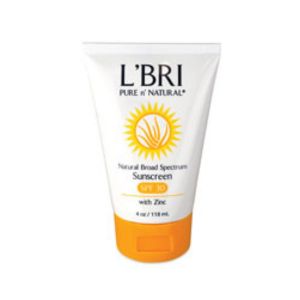
Clean, moisturizing formula with zinc oxide and plant-based oils.
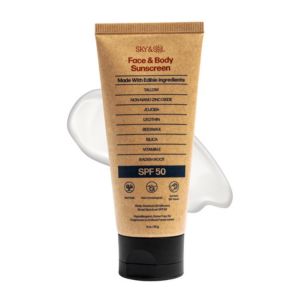
EWG top-rated, organic SPF made with simple ingredients—safe for the whole family.
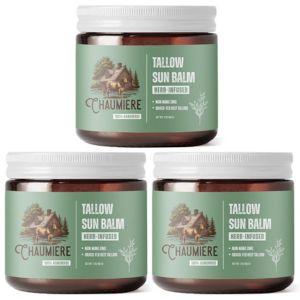
Ultra-moisturizing zinc balm made with grass-fed tallow—great for dry, sensitive skin.
Infused with aloe and a tropical coconut mango scent, this water-resistant SPF 30 sunscreen hydrates while protecting skin from UV damage—ideal for beach days or daily outdoor activities.
Use code KAYLAB for 10% off your order!
A light, non-greasy lotion that protects against harmful UVA and UVB rays while fighting free radicals.
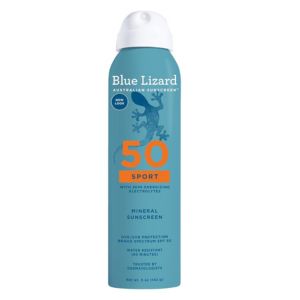
Water-resistant mineral spray designed for active use—reef-safe and dermatologist-tested.
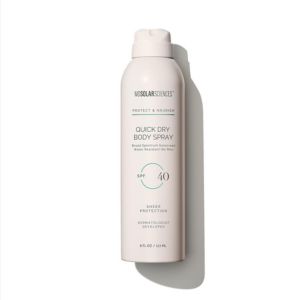
Lightweight, fast-drying zinc spray with clean ingredients and broad-spectrum coverage.
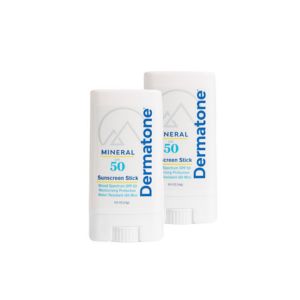
Portable zinc stick ideal for face, nose, and ears—great for outdoor activities.
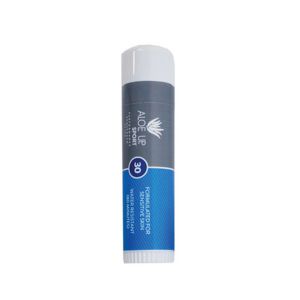
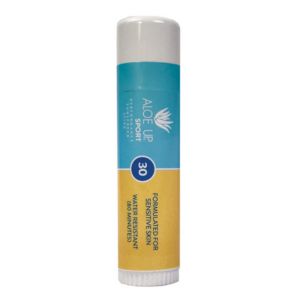
Sport SPF 30 Sunscreen Stick glides on smooth and absorbs quickly without leaving a waxy or greasy feel to your skin.
Use code KAYLAB for 10% off your order!
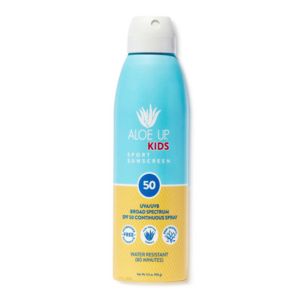
Kids SPF 50 Continuous Spray is a fast-absorbing, non-greasy, paraben-free sunscreen that provides reliable protection and easy re-application throughout the day.
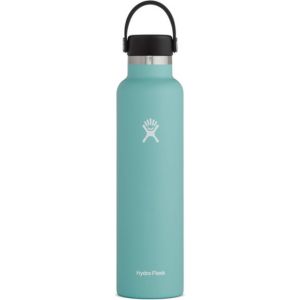
Use code KAYLAB for 10% off your order!
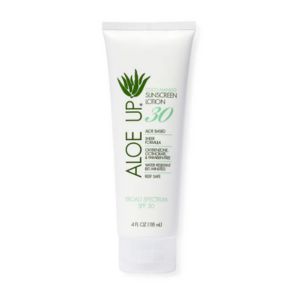
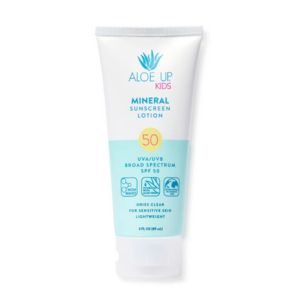
Aloe Up Mineral Lotion blends advanced Gen2 zinc oxide with soothing aloe vera for smooth, moisturizing sun protection kids will love.
Use code KAYLAB for 10% off your order!
The Kids SPF 30 Sunscreen Stick glides on smooth and absorbs quickly without leaving a waxy or greasy feel to the skin.
Use code KAYLAB for 10% off your order!
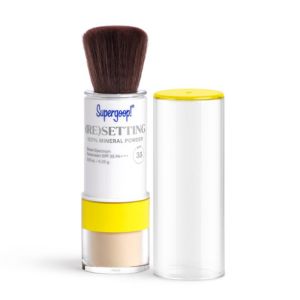
SPF 35 setting powder that mattifies skin and makes SPF reapplication easy on the go.
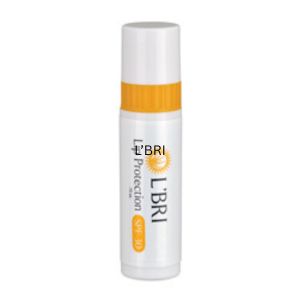
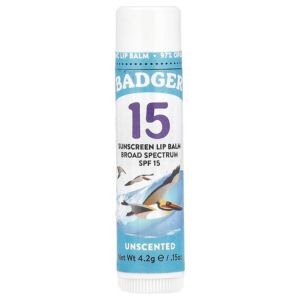
Protect your lips from the drying and harmful effects of the sun and wind. Easily glides on to soften and soothe with just a hint of orange peel oil for a pleasant citrus flavor.
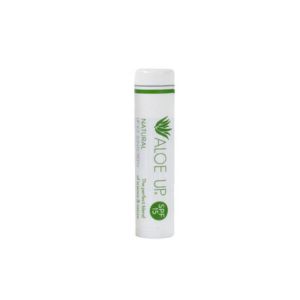
Aloe Up Ice Lip Balm SPF 15 glide on smoothly leaving your lips replenished, hydrated and protected.
Use code KAYLAB for 10% off your order!
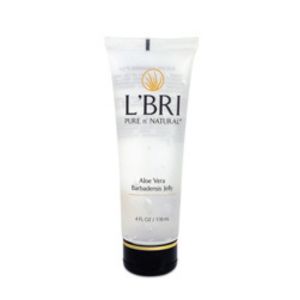
This soothing aloe jelly, enriched with hyaluronic acid and chamomile, helps calm burns, bites, rashes, scrapes, and more while hydrating sensitive or blemish-prone skin.
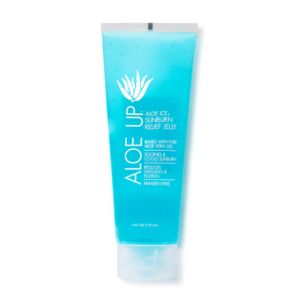
Based with 96.6% pure Aloe Vera Gel, Aloe Ice Jelly absorbs quickly and does not leave a sticky residue on the skin.
Use code KAYLAB for 10% off your order!
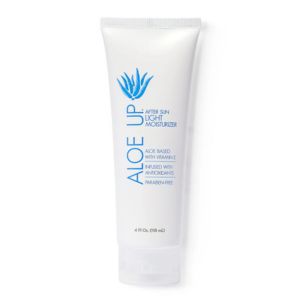
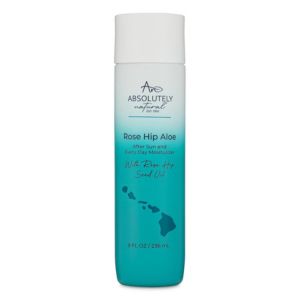
After Sun Light Moisturizing Lotion is natural after sun lotion that refreshes skin after sun exposure. Based with Aloe Vera gel, After Sun leaves skin feeling soft and hydrated.
Use code KAYLAB for 10% off your order!
At the end of the day, sunscreen shouldn’t be complicated. It should be something you feel good about—safe for you, your kids, and the planet. I hope this guide makes it a little easier to find a non-toxic sunscreen that works for your family and fits into your life. Whether you’re chasing the kids, heading to the beach, or soaking up some sunshine on a walk, you deserve to feel confident in the products you’re using. Here’s to a summer full of fun, fresh air, and a little less stress.
Your Friend & Pilates Expert,

Kayla Brugger
Founder of PILATESBODY by Kayla
Founder of PILATESBODY On-Demand
Download your PDF Workout Calendar and easily access the Daily Workouts inside the Online Course Guide with Progress Tracker.
Hi, I'm Kayla Brugger. Certified Pilates Instructor & Minnesota Mama of 2.