You have 0 items in your cart
Build strength, restore balance, and support recovery with mindful movement that enhances well-being and long-term physical resilience right after birthing.

Recovery after birth is not about “bouncing back.” It’s about rebuilding strength in a way that supports your body long-term. That’s one reason postpartum Pilates can be so effective.
Pilates focuses on core stability, posture, breathwork, pelvic floor connection, and controlled movement patterns that help support recovery without adding excessive strain to the body. Research posted in BMC Women’s Health has shown that Pilates-based exercise may help improve abdominal strength, posture, and overall functional movement after pregnancy.
As a certified Pilates instructor and mom, I’ve personally seen how powerful intentional, low-impact strength training can be after pregnancy—not just physically, but mentally too. Pilates helps you reconnect with your body, rebuild confidence, and restore strength at a pace that feels realistic for everyday life.
This post includes affiliate links. I do earn a commission for products purchased using these links (at no additional cost to you). Thank you for supporting PILATESBODY by Kayla, making the content you see on this blog possible.
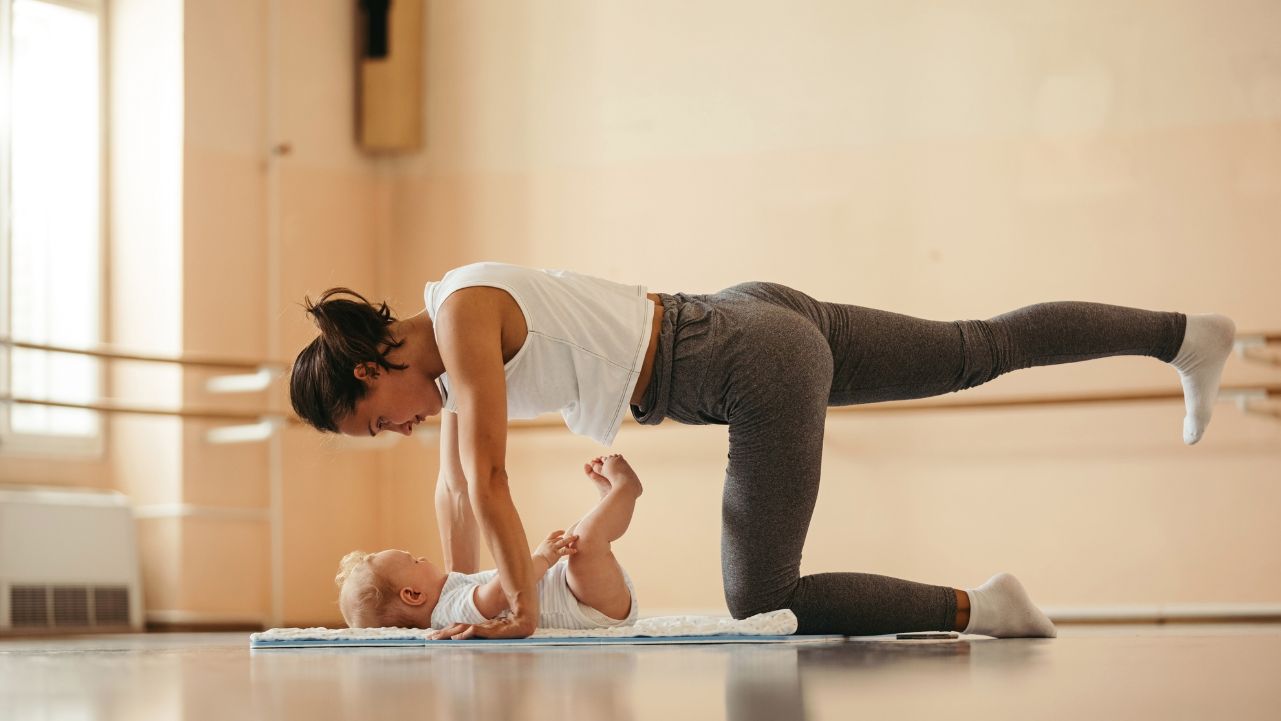
After pregnancy, rebuilding your core is less about aggressive ab workouts and more about restoring deep core function and stability. Pilates focuses on controlled movements that activate the deep abdominal muscles that support the spine, improve posture, and help reduce lower back strain during everyday activities like lifting, carrying, and bending.
Breathwork also plays a major role in postpartum recovery. Coordinating breathing with movement helps reconnect the core and pelvic floor while improving overall body awareness and control. Research published in the Journal of Orthopaedic & Sports Physical Therapy supports the importance of deep core muscle activation for improving stability after pregnancy.
I also recommend starting with slow, intentional workouts that prioritize stability over intensity. My Deep Core Foam Roller Workout and 10 Exercises Better Than Kegels for Pelvic Floor Strength are both designed to help reconnect the deep core muscles in a safe, low-impact way from home.
The pelvic floor plays a huge role in postpartum recovery, helping support the core, bladder, posture, and overall stability. Pilates encourages gentle activation and relaxation of these muscles through controlled breathing and intentional movement patterns rather than relying on endless Kegels alone.
Over time, strengthening the connection between the pelvic floor, deep core, glutes, and inner thighs can improve stability, reduce pressure on the lower back, and make everyday movement feel more supported. A review published in the Journal of Musculoskeletal and Neuronal Interactions found that pelvic floor muscle training and targeted exercise may help improve pelvic floor strength, stability, and overall postpartum recovery outcomes.
This is why I often include pelvic floor-focused movements like bridges, heel slides, breathwork, and deep core activation inside my Pilates Pelvic Floor for a Healthy Pregnancy and Beyond YouTube workout to help women safely rebuild strength and reconnect to their bodies after pregnancy.
Pregnancy and postpartum recovery can create a lot of tension through the neck, shoulders, hips, and lower back. Between feeding, carrying a baby, and spending more time rounded forward, it’s common for posture and mobility to suffer. Pilates helps strengthen the muscles that support better alignment while improving overall body awareness and movement patterns.
Over time, this can help reduce discomfort, improve mobility, and make everyday movement feel more supported and efficient. If you’re dealing with tight shoulders, low back tension, or that “rounded forward” postpartum posture, this Pilates Posture Workout on YouTube is a great place to start.
One of the biggest benefits of Pilates postpartum is that it helps restore flexibility and mobility without forcing the body into intense stretching too soon. Controlled, low-impact movements help gently lengthen tight muscles while improving circulation and overall movement quality.
Over time, this can help reduce stiffness through the hips, back, and shoulders while making everyday movement feel smoother and more comfortable. If your body has been feeling tight and tense lately, my 20-Minute Pilates for Lymphatic Drainage Workout is a great, gentle flow to help you move, stretch, and feel better without overwhelming your body.
Postpartum recovery is just as mental as it is physical. Pilates encourages you to slow down, focus on your breathing, and become more aware of how your body moves and feels after pregnancy. That mind-body connection can help rebuild confidence while moving feels more intentional and controlled again.
Many women also find that Pilates helps reduce stress and creates a sense of calm during a season that can feel physically and emotionally overwhelming. Even short workouts can become a way to reconnect with yourself, reset mentally, and feel stronger both physically and emotionally.
While Pilates is known for strength and core work, it can also support cardiovascular health through continuous, full-body movement patterns that increase circulation and endurance without placing excessive stress on the body. This makes it a great option for easing back into movement postpartum, especially if high-impact workouts feel overwhelming.
According to Harvard Health Publishing, Pilates may help improve muscular endurance, circulation, posture, and overall physical conditioning while remaining low-impact and accessible for many fitness levels.
With consistent practice, Pilates can help improve stamina, energy levels, and overall fitness while still feeling manageable during a busy season of life. This is one reason I love combining Pilates with walking for postpartum recovery and long-term health.
One of the biggest benefits of postpartum Pilates is that it creates a strong foundation before returning to more intense workouts or daily activities. By improving core stability, coordination, balance, and overall strength, Pilates helps the body move more efficiently and safely as recovery progresses.
This gradual approach can help reduce the risk of injury while rebuilding confidence in movement again. It’s also important to learn about hydrotherapy in labor and other recovery-supportive practices that encourage a more well-rounded approach to postpartum wellness and healing.
If you eventually want to transition to more strength-focused training, my 2 + 2 Method: Pilates X Strength Training Program combines Pilates-based movement with progressive-overload strength training to help women continue building lean muscle and long-term strength from home.
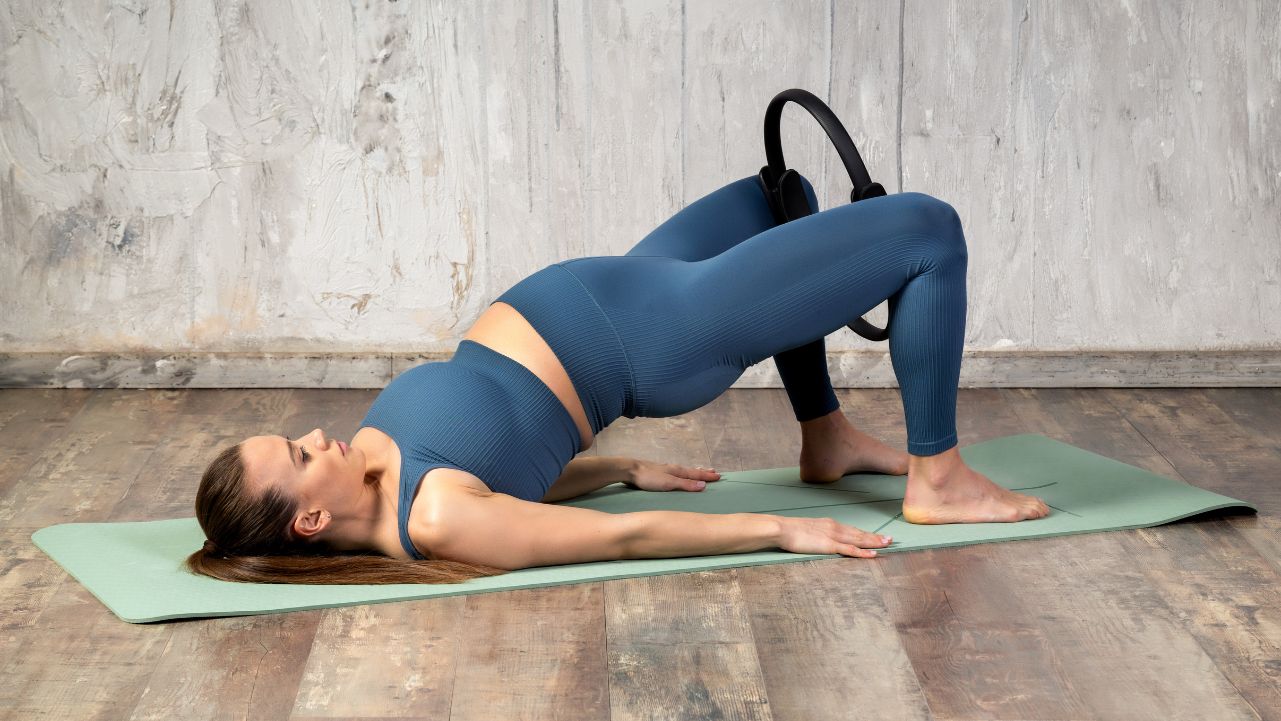
One of the biggest reasons Pilates works so well postpartum is that it feels realistic to stay consistent with. Short, focused workouts can help you rebuild strength, mobility, and confidence without needing hours in the gym or intense workouts that leave you exhausted.
Over time, those small, consistent efforts add up in a big way. Creating a simple movement routine can help you feel more energized, supported, and connected to your body again during a season that often feels unpredictable. That’s also why I always encourage moms to focus on sustainable habits over perfection. In How Busy Moms Can Build a Sustainable Fitness Routine, I share practical ways to move fit into real life without feeling all-or-nothing.
It’s very common to experience tension and discomfort in the back, shoulders, hips, and neck after pregnancy. Feeding, carrying a baby, interrupted sleep, and posture changes can all place extra stress on the body. Pilates helps strengthen the muscles that support better alignment while improving mobility and reducing built-up tension.
With continued practice, many women notice less stiffness, improved posture, and more ease in everyday movement. Gentle mobility work, stretching, and core-focused exercises can make a huge difference in helping the body feel stronger and more supported again. My Pilates At-Home Workouts for Busy Moms is a great resource if you’re looking for simple, low-impact ways to start moving consistently postpartum.
This depends on your delivery, recovery, and your healthcare provider’s recommendations. Many women can begin gentle breathing, walking, and deep core activation exercises within the first few weeks postpartum, while more structured Pilates workouts may come later as the body heals.
Yes. Pilates focuses heavily on breathwork, deep core engagement, posture, and controlled movement, all of which can help support pelvic floor function and stability after pregnancy. Many Pilates exercises also strengthen the glutes, inner thighs, and deep abdominal muscles that work together with the pelvic floor.
Pilates can be very helpful for postpartum back pain because it strengthens the muscles that support better posture and spinal alignment. Improving core strength, mobility, and body awareness may also help reduce tension caused by feeding, carrying, and daily mom life activities.
Consistency matters more than intensity. Even 10–20 minute Pilates workouts a few times per week can help improve strength, mobility, posture, and energy levels over time. Starting slowly and building gradually is often the most sustainable approach.
For many women, Pilates is an excellent starting point postpartum because it helps rebuild foundational strength safely. Over time, many women choose to combine Pilates with walking and strength training for a more well-rounded fitness routine and long-term muscle development.
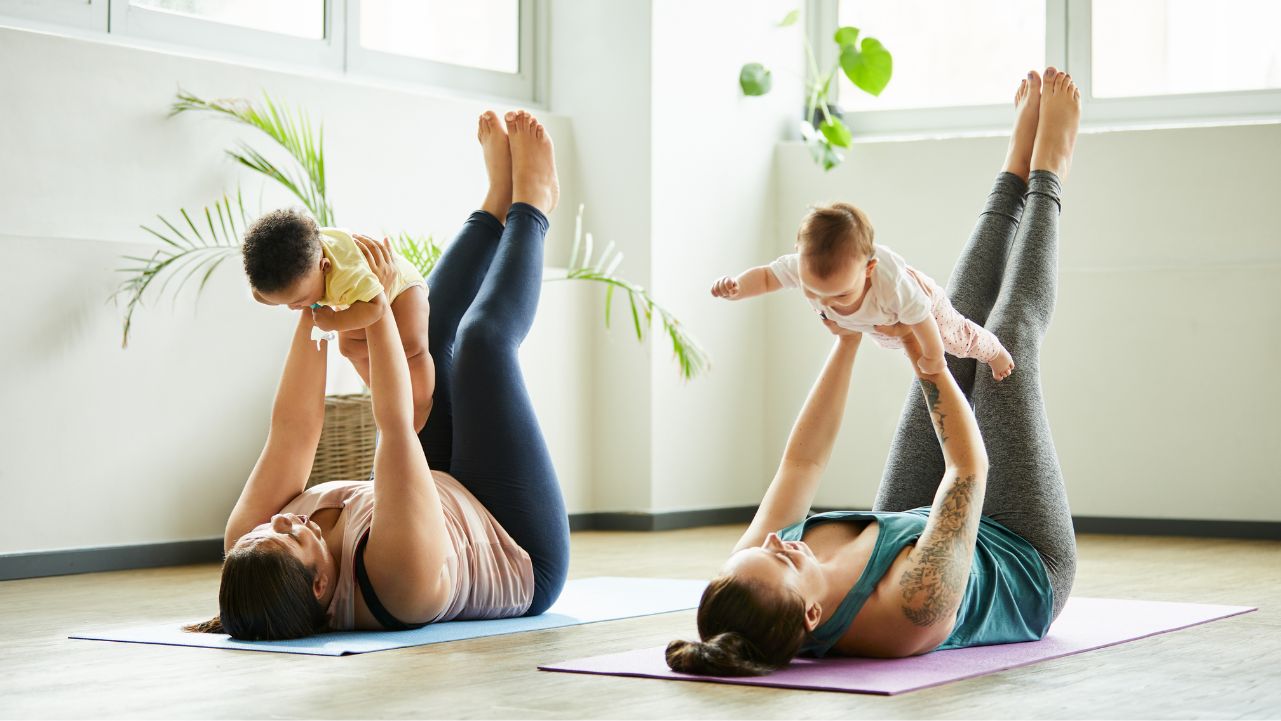
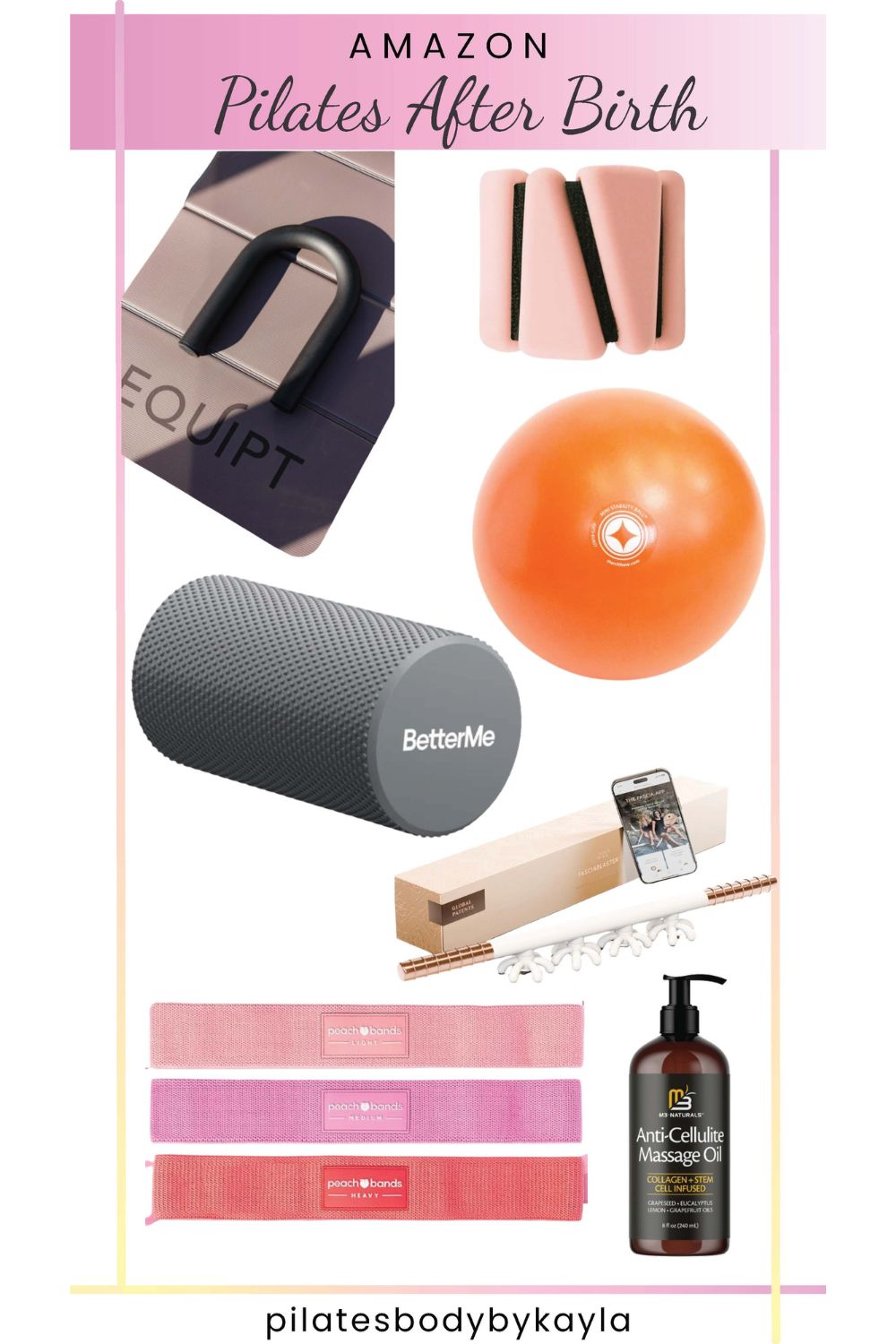
Postpartum Pilates allows for mindful movement that enhances well-being and long-term physical resilience after giving birth. Here’s a round-up of the best products to help you strengthen your abs, improve your posture, and reconnect with your body after pregnancy.
A good mat makes all the difference, especially when you’re doing Pilates postpartum. This high-quality mat provides cushioning for spinal articulation, core work, and floor exercises while still offering the stability you need for controlled movement.
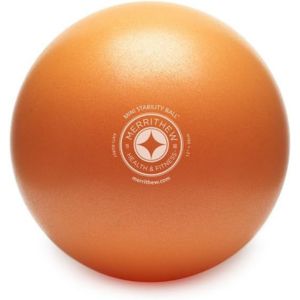
Lightweight and portable, the Pilates ball provides an unstable base of support that allows you to activate deep stabilizing muscles. This mini stability ball is great for targeting those especially hard to reach areas like arms, abs, inner thighs, and hamstrings. You can also use the ball to roll out sore muscles or to support the low back or neck during postpartum Pilates workouts.
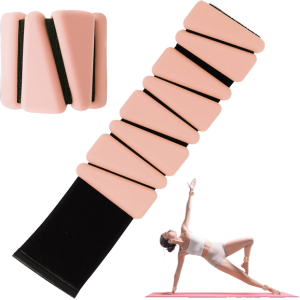
These hip bands come in a compact carrying case for easy storage so they don’t get lost! They come in 3 different resistances and are not as wide and bulky as traditional hip bands. However, they still pack just as much strength. They’re also much easier to grab with your hand since they are not so wide.
These weights are perfect and convenient to help build even more strength during postpartum Pilates workouts. They can be worn on wrists or ankles to add that extra spice to exercises you’ve already mastered, for an extra challenge. These no-hassle Velcro weights are easy to slide on and off, easy to clean, and stay firmly in place. Oh, and how cute are these colors!
A foam roller helps release tight hips, hamstrings, and glutes so your muscles can activate more effectively during workouts. Using one before or after training can improve mobility and help your glutes fire properly during lower-body exercises.
The FasciaBlaster by Ashley Black is the #1 selling self-massage myofascial tool for massaging your fascia and muscles. Bonus: it temporarily reduces the appearance of cellulite.
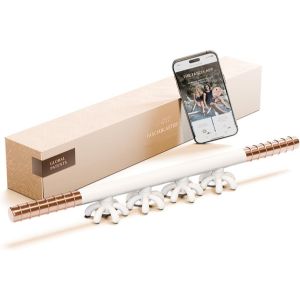
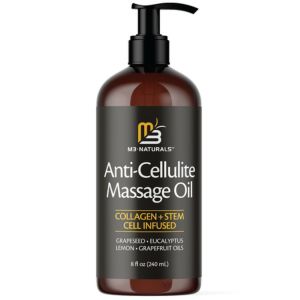
This anti-cellulite massage oil is designed to help smooth and hydrate the skin while supporting massage techniques that may temporarily reduce the appearance of cellulite. I love pairing it with dry brushing or massage rollers, and it’s also great for postpartum self-care.
Regaining strength after pregnancy often helps women feel more confident, energized, and connected to their bodies again. One of the best things about Pilates is that progress feels achievable. Small improvements in strength, posture, balance, and mobility build over time, helping you feel stronger both physically and mentally.
Learning the benefits of third-trimester pregnancy exercises with Pilates can also help create a smoother transition into postpartum recovery by building body awareness, core connection, and safe movement patterns before birth. That foundation often makes it easier to return to exercise with confidence after pregnancy.
Pilates offers a gentle but incredibly effective way to rebuild strength after birth without overwhelming the body. Through consistent practice, many women experience improved posture, stronger muscles, better mobility, and greater confidence in everyday movement. With patience and consistency, Pilates can become a long-term foundation for feeling strong, capable, and healthy at every stage of motherhood.
Want to see what consistent Pilates workouts can do for your body after pregnancy? Check out my Pilates before and after results to see how I rebuilt my core strength, lost postpartum weight, and transformed my body in just 8 weeks!
Your Friend & Pilates Expert,
Kayla Brugger
Founder of PILATESBODY by Kayla
Founder of PILATESBODY On-Demand
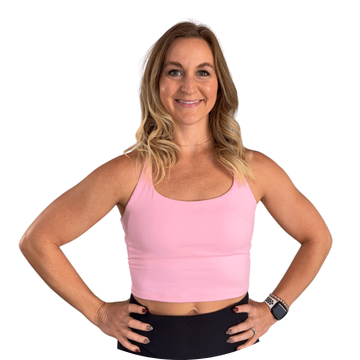
Hi, I'm Kayla Brugger. Certified Pilates Instructor & Minnesota Mama of 2.