Cycle support starts with the everyday habits that help your body feel its best. Learn how nutrition, movement, sleep, stress management, and supplements can support a healthy menstrual cycle and help manage common PMS symptoms.

Menstrual Cycle Support

Menstrual Cycle Support: How to Support Your Hormones Naturally

When people think about cycle support, they often focus on one week out of the month. But supporting your menstrual cycle is really about caring for your body every day. The foods you eat, how you move, how well you sleep, and even how you manage stress all play a role in your women’s hormone health and can influence how you feel throughout your cycle.

If you’ve ever dealt with mood swings before your period, headaches before your period, fatigue, bloating, painful cramps, or irregular cycles, you’re not alone. While some changes throughout the month are completely normal, feeling miserable doesn’t have to be your baseline. Learning how to support your hormones naturally may help you feel more energized, recover better from workouts, and navigate each phase of your cycle with greater ease.

The good news is that you don’t need a perfect routine or a cabinet full of supplements to make a difference. Small, consistent habits like eating nutrient-dense foods, staying active, prioritizing sleep, managing stress, and choosing the right cycle support supplements when appropriate can all help promote a healthy menstrual cycle. In this guide, I’ll walk you through simple, practical ways to support your hormones naturally so you can feel your best all month long.

This post includes affiliate links. I do earn a commission for products purchased using these links (at no additional cost to you). Thank you for supporting PILATESBODY by Kayla, making the content you see on this blog possible.

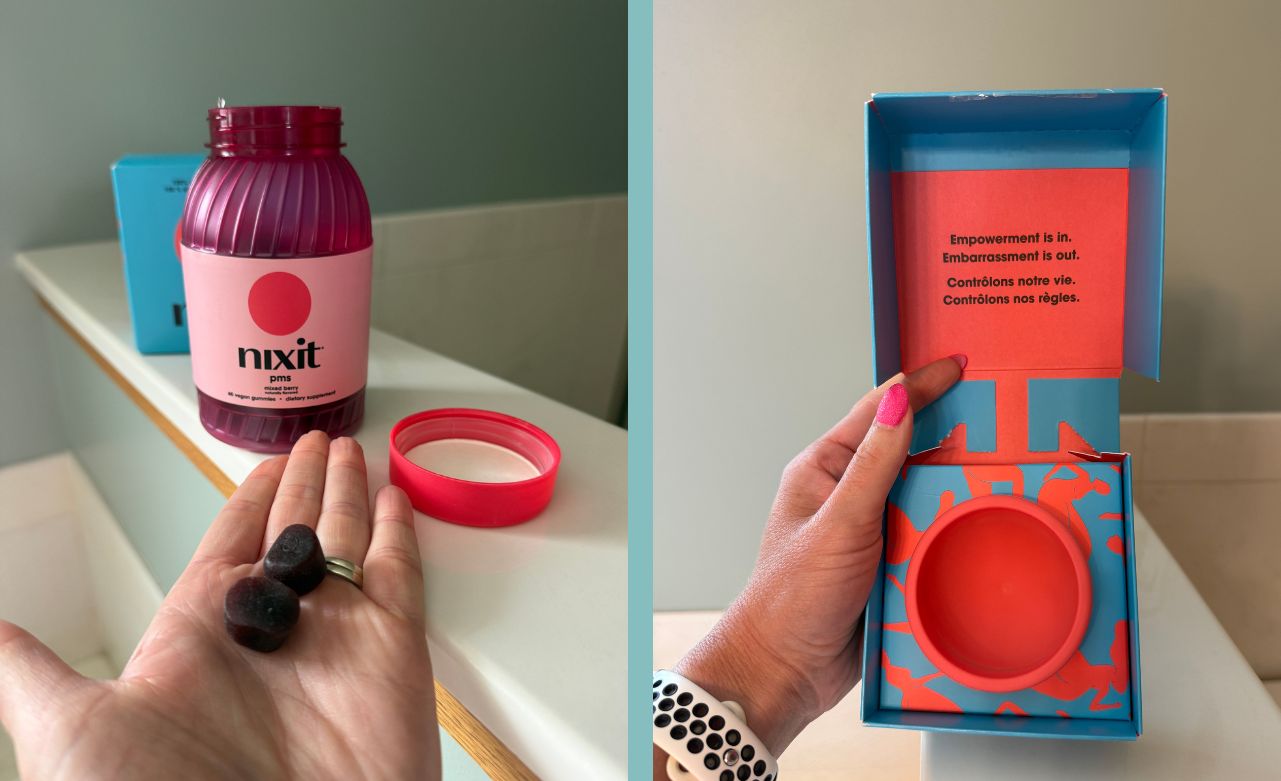
Nixit PMS support supplements and menstrual disc

Understanding Your Menstrual Cycle and Hormone Health

Your menstrual cycle is much more than your monthly period. It’s a continuous cycle of hormonal changes that affects your energy, mood, appetite, sleep, exercise performance, and even how your body recovers from workouts. Understanding these natural shifts is one of the best ways to provide your body with the cycle support it needs. If you’d like to learn more about how the menstrual cycle works, the Office on Women’s Health’s overview of the menstrual cycle provides an excellent introduction.

The two primary hormones that influence your menstrual cycle are estrogen and progesterone. While there are many hormones involved in women’s hormone health, these two have some of the biggest impacts on how you feel throughout the month.

Estrogen

Estrogen is often thought of as the hormone that helps you feel energized and confident. It rises during the first half of your cycle and plays an important role in regulating your menstrual cycle, supporting bone health, protecting your heart, and maintaining reproductive health. As estrogen increases, many women notice improved energy, a better mood, sharper focus, and greater motivation to exercise.

Progesterone

Progesterone becomes the dominant hormone after ovulation. Its primary job is to prepare the uterus for a possible pregnancy, but it also affects many other systems in the body. Progesterone can have a naturally calming effect, but as it rises and eventually falls before your period, you may experience symptoms like fatigue, bloating, mood swings, food cravings, or headaches before your period. These changes are completely normal, although the severity can vary from woman to woman.

While some changes throughout your cycle are expected, more significant symptoms may be a sign that your body could benefit from additional support. Frequent headaches before your period, severe PMS, irregular cycles, heavy bleeding, persistent fatigue, painful cramps, or dramatic mood changes can all be signs that your hormones deserve a closer look. These symptoms don’t always mean something is wrong, but they’re worth discussing with your healthcare provider if they begin interfering with your daily life.

It’s also important to remember that hormone balance for women isn’t one-size-fits-all. Your age, activity level, stress levels, sleep quality, nutrition, medical history, and genetics all influence how your hormones function. Two women can have completely different experiences throughout their cycles, which is why there’s no single routine that works for everyone.

As women approach their late 30s and 40s, hormone fluctuations often become even more noticeable during perimenopause. This natural transition before menopause can bring changes like irregular cycles, hot flashes, sleep disturbances, mood changes, and shifts in energy levels. While these changes are a normal part of aging, many of the same healthy habits that support a healthy menstrual cycle—such as eating nutrient-dense foods, exercising regularly, managing stress, and prioritizing sleep—can also help support your body during perimenopause.

The goal of cycle support isn’t to eliminate every symptom or chase perfectly balanced hormones every day. Instead, it’s about giving your body the nutrition, movement, recovery, and care it needs so you can feel your best throughout every stage of life.

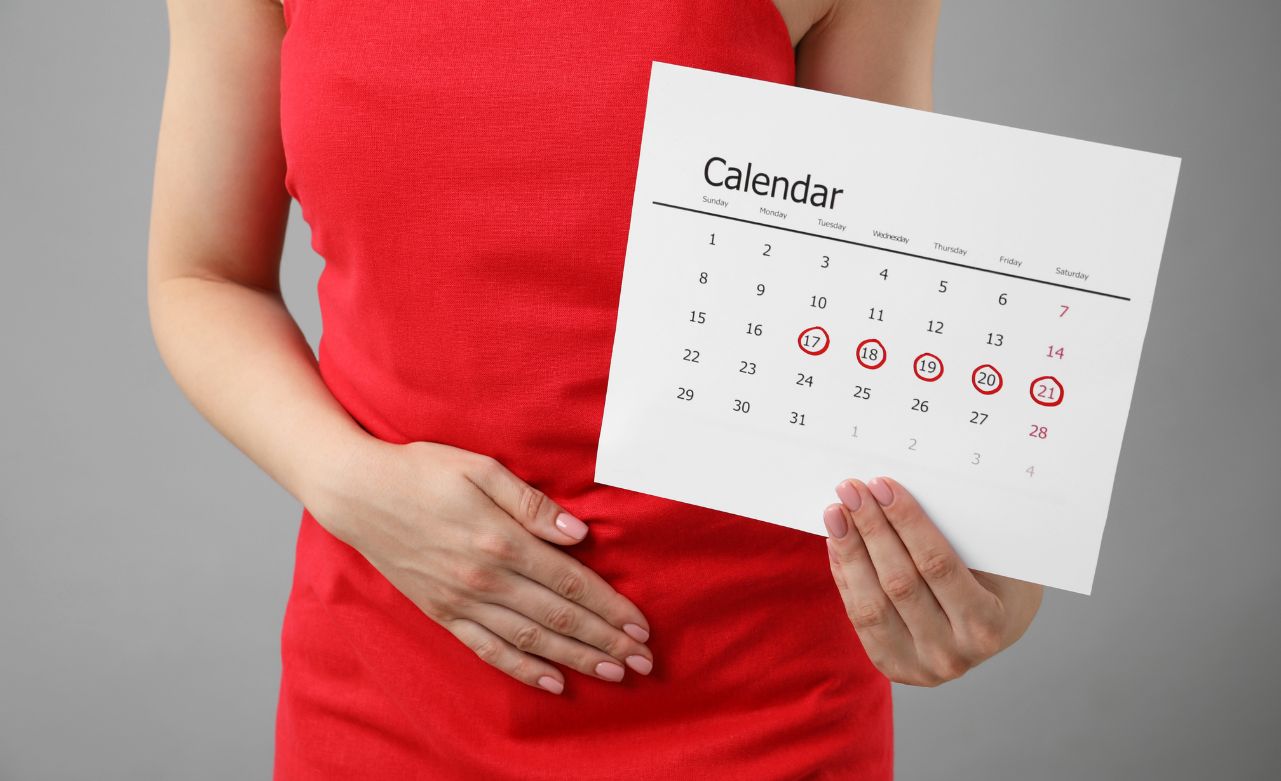
Healthy menstrual cycle

The Best Foods for Hormone Balance and Cycle Support

While there isn’t one magical food that will balance your hormones overnight, consistently eating a nutrient-rich diet can provide your body with the building blocks it needs for a healthy menstrual cycle. If you’re looking for the best foods for hormone balance, focus less on perfection and more on including a variety of whole foods that support your body’s changing needs throughout the month.

One of the most important nutrients to prioritize is protein. Protein supplies the amino acids your body needs to produce hormones, maintain muscle, and keep you feeling full and energized. Aim to include a quality source of protein at each meal, such as:

  • Eggs
  • Greek yogurt
  • Chicken
  • Fish
  • Lean beef
  • Cottage cheese
  • Tofu
  • Beans

Pairing protein with healthy fats, fiber-rich carbohydrates, and plenty of colorful fruits and vegetables can also help support steady energy levels and promote overall women’s hormone health.

Certain vitamins and minerals are especially important for cycle support:

Magnesium

Magnesium plays a role in hundreds of processes throughout the body and may help support muscle relaxation, sleep quality, mood, and normal nerve function. Some research also suggests it may help reduce common PMS symptoms like cramps, bloating, headaches, and mood changes in some women. Good food sources include:

  • Pumpkin seeds
  • Almonds
  • Spinach
  • Black beans
  • Dark chocolate

Iron

Women lose iron during menstruation, making it an important nutrient to replenish—especially if you experience heavy periods. Low iron levels can contribute to fatigue, weakness, and difficulty exercising. Include iron-rich foods like lean red meat, spinach, lentils, beans, and fortified cereals, and pair plant-based iron sources with foods high in vitamin C to improve absorption.

Omega-3 Fatty Acids

Omega-3 fats have anti-inflammatory properties and may help support heart health, brain function, and hormone health. Some studies suggest they may also help reduce menstrual discomfort and improve mood. Fatty fish like salmon, sardines, and trout are excellent sources, while walnuts, chia seeds, and flaxseeds provide plant-based omega-3s.

B Vitamins

B vitamins help your body convert food into energy and support healthy brain function. Vitamins like B6 and B12 are especially important for women’s hormone health because they play a role in energy production and nervous system function. You’ll find them in foods like:

  • Eggs
  • Poultry
  • Dairy products
  • Leafy greens
  • Whole grains
  • Legumes

Don’t Forget Hydration

Hydration is often overlooked when it comes to cycle support, but it can make a noticeable difference. Drinking enough water throughout the day may help reduce bloating, support digestion, and maintain energy levels. If you’re exercising regularly or sweating heavily, replenishing electrolytes can also help replace minerals lost through sweat and support proper muscle and nerve function.

Foods to Include Regularly for Hormone Health

Rather than focusing on “superfoods,” aim to build balanced meals around nutrient-dense ingredients you enjoy eating consistently. Some excellent choices include:

  • Salmon: Rich in protein and omega-3 fatty acids.
  • Eggs: A complete source of protein with several essential vitamins and minerals.
  • Leafy greens: Packed with magnesium, folate, iron, and antioxidants.
  • Berries: High in fiber and antioxidants that support overall health.
  • Greek yogurt: Provides protein, calcium, and probiotics for gut health.
  • Nuts and seeds: Great sources of healthy fats, magnesium, fiber, and plant-based protein.

Remember, the goal isn’t to eat perfectly every day. Building meals around whole foods most of the time can go a long way in supporting a healthy menstrual cycle and giving your body the nutrients it needs to function at its best.

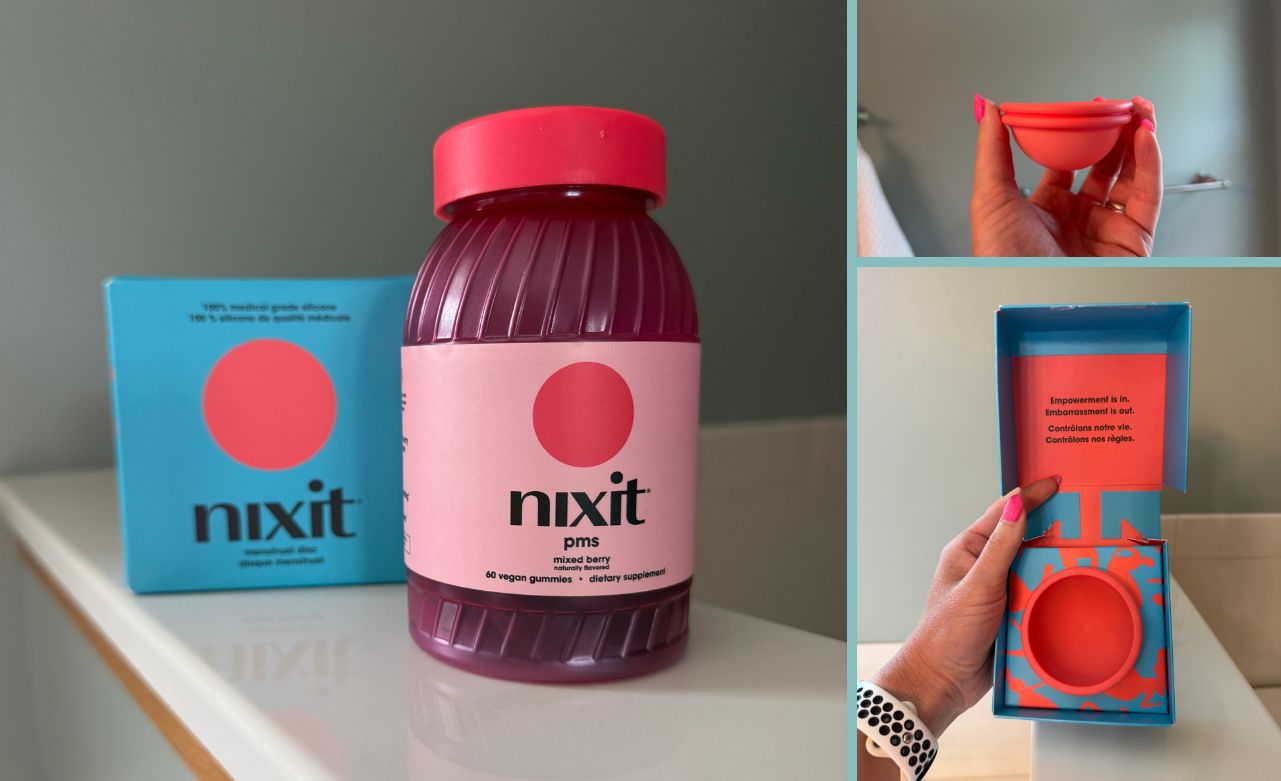
Nixit cycle support supplements and menstrual disc

Lifestyle Habits That Support a Healthy Menstrual Cycle

While nutrition provides your body with the nutrients it needs, your everyday habits are just as important for long-term cycle support. Things like how much you sleep, how you manage stress, and how you move your body all influence women’s hormone health. You don’t have to overhaul your lifestyle overnight—even small, consistent changes can have a positive impact over time.

Prioritize Quality Sleep

Sleep is one of the most powerful tools for supporting a healthy menstrual cycle. During sleep, your body repairs tissues, regulates hormones, and prepares for the next day. Poor sleep can affect stress hormones, increase cravings, reduce energy, and make PMS symptoms feel even more intense. Aim for 7–9 hours of quality sleep each night and try to keep a consistent bedtime whenever possible.

Find Healthy Ways to Manage Stress

Stress is a normal part of life, but chronic stress can influence hormone production and affect how you feel throughout your cycle. You don’t need to eliminate stress completely, but finding healthy ways to manage it can make a difference. Taking a walk, practicing deep breathing, journaling, spending time outdoors, connecting with friends, or simply setting aside a few minutes each day to slow down can all help calm your nervous system.

Make Daily Movement a Habit

You don’t need intense workouts every day to support your hormones. In fact, one of the best things you can do is simply move your body consistently. Walking is an easy, low-impact way to improve circulation, support your cardiovascular health, reduce stress, and boost your mood. Even a 20- to 30-minute walk can leave you feeling more energized and support overall women’s hormone health. The CDC’s Physical Activity Guidelines recommend regular movement as part of supporting overall health, including heart health, sleep, mood, and chronic disease prevention.

Strength training and Pilates work incredibly well together to support women’s hormone health. Strength training helps maintain muscle mass, supports bone health, improves insulin sensitivity, and supports healthy aging, while Pilates builds core strength, mobility, posture, balance, and body awareness. Together, they create a balanced approach that helps you build strength without sacrificing flexibility or recovery.

More Isn’t Always Better

If you’ve ever felt exhausted despite working out more, your body may be asking for additional recovery. While regular exercise supports hormone health, consistently pushing yourself without enough rest can increase physical stress and make symptoms like fatigue, irritability, poor sleep, or irregular cycles worse for some women.

That’s why recovery deserves just as much attention as your workouts. Rest days, stretching, mobility work, adequate nutrition, and quality sleep all allow your body to recover and adapt. Supporting your nervous system through intentional recovery can help you feel stronger, more energized, and better prepared for your next workout.

At the end of the day, hormone balance for women isn’t about following a perfect routine. It’s about building sustainable habits you can stick with for the long haul. Prioritizing sleep, managing stress, staying active, fueling your body well, and giving yourself permission to recover are simple lifestyle habits that can help support a healthy menstrual cycle for years to come.

Natural Remedies for PMS and Common Cycle Symptoms

Premenstrual syndrome (PMS) affects every woman differently. While some women notice only mild changes before their period, others experience symptoms that interfere with work, workouts, sleep, and everyday life. The good news is that there are several natural remedies for PMS that may help reduce discomfort and make this phase of your cycle feel more manageable.

How to Reduce PMS Symptoms Naturally

Supporting your body consistently throughout the month—not just during the week before your period—can often make the biggest difference. Eating balanced meals, getting enough sleep, exercising regularly, staying hydrated, and managing stress all work together to support women’s hormone health. While these habits may not eliminate every symptom, they can help your body function at its best.

Managing Mood Swings Before Your Period

Mood swings before your period are common due to the natural rise and fall of estrogen and progesterone. If you find yourself feeling more emotional, irritable, or anxious, try giving yourself a little extra grace during this time. Prioritizing sleep, eating enough protein throughout the day, taking a walk outdoors, practicing deep breathing, or spending time doing activities you enjoy can all help support your mood. If mood changes become severe or begin affecting your relationships or daily life, it’s worth discussing them with your healthcare provider.

Natural Strategies for Headaches Before Your Period

Hormonal fluctuations can contribute to headaches before your period, particularly as estrogen levels decline. While everyone’s triggers are different, staying hydrated, eating regular meals, limiting excessive alcohol, managing stress, and getting enough sleep may help reduce the frequency or intensity of headaches. Some women also find that magnesium-rich foods or magnesium supplements are helpful, although it’s always best to speak with your healthcare provider before adding a new supplement to your routine.

Period Fatigue Remedies

Feeling more tired before or during your period is incredibly common. Your body is working hard, and changes in hormone levels can leave you feeling like your energy has disappeared overnight. Rather than pushing through exhaustion with extra caffeine, focus on the basics: prioritize quality sleep, eat enough protein and iron-rich foods, stay hydrated, and consider dialing back the intensity of your workouts if your body is asking for more recovery. Gentle movement, like walking or Pilates, can often help boost energy without adding unnecessary physical stress.

Bloating and Water Retention Support

Bloating is one of the most frustrating PMS symptoms, but it doesn’t necessarily mean you’re doing anything wrong. Hormonal changes can cause your body to temporarily hold onto more water before your period. Drinking enough water may actually help reduce water retention, while eating plenty of potassium-rich fruits and vegetables, limiting highly processed foods when possible, and staying active can also help you feel more comfortable. Light movement and stretching may also ease abdominal discomfort.

Simple Comfort Measures That Can Help

Sometimes the simplest strategies are the most effective. Applying a heating pad or warm compress to your lower abdomen can help relax muscles and provide temporary relief from menstrual cramps. Gentle movement like walking, Pilates, yoga, or stretching may improve circulation and reduce stiffness, while staying hydrated and eating balanced meals gives your body the fuel it needs to recover. These habits won’t cure PMS, but they can often make symptoms easier to manage.

When to Talk With Your Healthcare Provider

While some discomfort during your menstrual cycle is normal, severe symptoms shouldn’t be ignored. If your cramps keep you home from work or school, your periods are extremely heavy, your cycles become very irregular, or symptoms like headaches, fatigue, or mood changes significantly interfere with your daily life, it’s a good idea to schedule an appointment with your healthcare provider. They can help determine whether an underlying condition may be contributing to your symptoms and recommend the most appropriate treatment plan.

Remember, cycle support isn’t about finding one quick fix. It’s about consistently giving your body the care it needs through nourishing foods, regular movement, quality sleep, stress management, and healthy lifestyle habits that support you throughout every phase of your cycle.
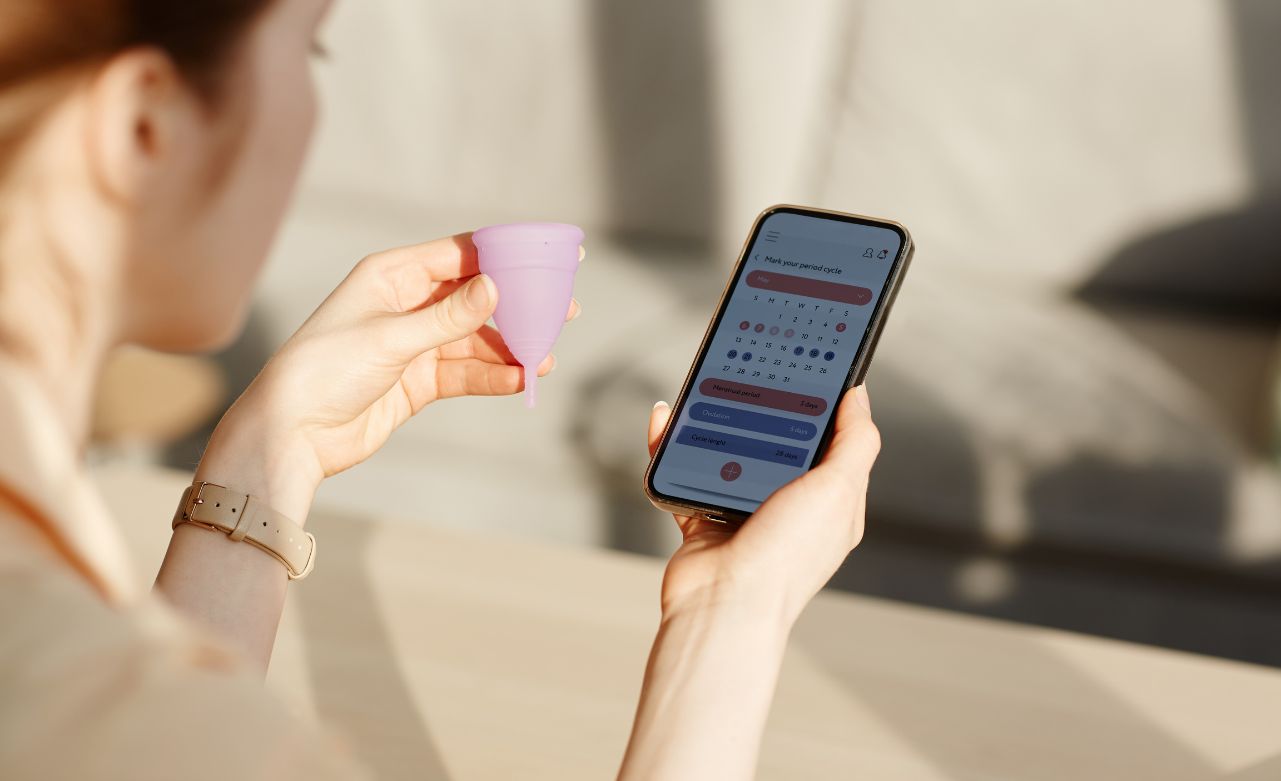
Women's hormone health

How to Choose the Best Cycle Support Supplement

A cycle support supplement is designed to provide nutrients and plant compounds that may help support women’s hormone health and reduce common PMS symptoms. While supplements aren’t a replacement for a healthy diet or medical care, they can help fill nutritional gaps and provide additional support when paired with healthy lifestyle habits.

Many PMS support supplements contain ingredients that have been studied for their potential role in supporting a healthy menstrual cycle, including:

  • Magnesium: May help support muscle relaxation and may reduce symptoms like cramps, headaches, and mood changes in some women.
  • Vitamin B6: Plays a role in energy production and nervous system function and may help support mood during the luteal phase.
  • Chasteberry (Vitex): An herbal supplement that has been studied for its potential to help relieve certain PMS symptoms in some women.
  • Omega-3 Fatty Acids: Support heart, brain, and overall health while also helping regulate inflammation.
  • Adaptogens: Herbs such as ashwagandha and rhodiola are commonly included to help the body adapt to physical and emotional stress, although research on hormone-specific benefits is still emerging.

When shopping for a cycle support supplement, look for products from reputable brands that use third-party testing for quality and purity. The National Center for Complementary and Integrative Health (NCCIH) offers helpful guidance on choosing and using dietary supplements safely. It’s also a good idea to review the ingredient list and dosage recommendations before purchasing any supplement.

Remember, even the best cycle support supplement works best alongside a balanced diet, regular movement, quality sleep, and stress management. Think of supplements as one piece of the puzzle rather than a quick fix.

Before starting any new supplement, talk with your healthcare provider. This is especially important if you’re pregnant, breastfeeding, taking medications, or managing an underlying health condition. They can help determine whether a supplement is appropriate for your individual needs and ensure it won’t interact with any medications you’re currently taking.

FAQ about Cycle Support

What supplements can I take to regulate my cycle?

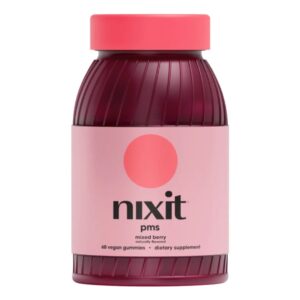
The best supplement depends on your individual needs and the underlying cause of your symptoms. Nutrients like magnesium, vitamin B6, iron (if you’re deficient), and omega-3 fatty acids are commonly used to support women’s hormone health, while herbal ingredients like chasteberry (Vitex) may help some women manage PMS symptoms. I have been taking PMS gummies from Nix that are made with herbal supplements including chaste berry, fennel, cranberry and ashwagandha. However, supplements aren’t a one-size-fits-all solution. It’s always a good idea to speak with your healthcare provider before starting a new supplement, especially if you have irregular cycles, take prescription medications, or have an underlying medical condition.

Why am I so tired before my period?

Feeling more tired before your period is common because hormone levels naturally shift during the second half of your menstrual cycle. As progesterone rises and then drops before menstruation, many women notice lower energy levels, increased sleepiness, or reduced motivation. If you’d like to learn more about how progesterone works throughout the menstrual cycle, this Cleveland Clinic guide on progesterone offers an excellent overview. Blood loss during your period can also contribute to fatigue, particularly if you have heavy periods or low iron levels. Prioritizing quality sleep, eating balanced meals with enough protein and iron, staying hydrated, and adjusting your workouts to match your energy levels can all help support your body during this time.

What are the signs of hormonal imbalance?

Hormone fluctuations are a normal part of every menstrual cycle, but persistent or severe symptoms may signal that something else is going on. Common signs of hormonal imbalance can include irregular periods, unusually heavy or painful periods, severe PMS, acne, unexplained weight changes, excessive fatigue, mood changes, difficulty sleeping, or increased hair loss. If these symptoms are affecting your quality of life or continue for several months, it’s important to speak with your healthcare provider for a proper evaluation.

Can exercise help balance hormones?

Regular exercise supports overall women’s hormone health by improving insulin sensitivity, reducing stress, supporting healthy body composition, and promoting better sleep. Walking, strength training, and Pilates are all excellent choices because they help strengthen your body while supporting long-term health. The key is consistency rather than intensity. Overtraining without adequate recovery can sometimes increase physical stress and make symptoms worse, so listening to your body and allowing time for recovery is just as important as staying active.

How does perimenopause affect hormone health?

Perimenopause is the natural transition leading up to menopause, and it often begins in a woman’s late 30s or 40s. During this time, estrogen and progesterone levels become less predictable, which can lead to irregular periods, hot flashes, sleep disturbances, mood changes, brain fog, and shifts in energy levels. While these changes are a normal part of aging, healthy lifestyle habits like eating a nutrient-rich diet, exercising regularly, managing stress, and getting enough sleep can help support your body throughout the transition. If symptoms become severe or begin interfering with your daily life, your healthcare provider can discuss treatment options that are right for you.

Wellness Essentials for Every Phase of Your Cycle

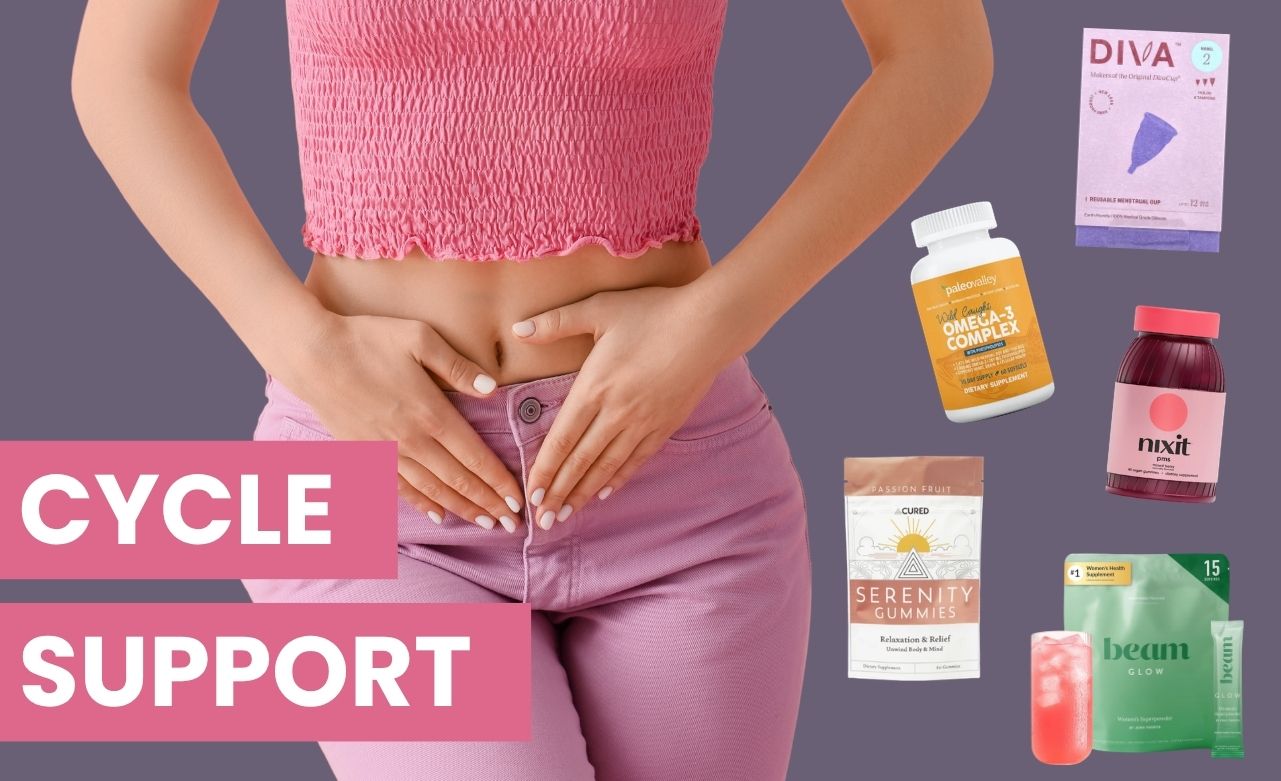
Cycle Support Products – My Top Picks

Building a cycle support routine can look a little different for everyone. From supplements that support women’s hormone health to period care and everyday wellness essentials, here are a few products that can make caring for your body throughout the month a little easier.

  1. Nixit PMS Gummies
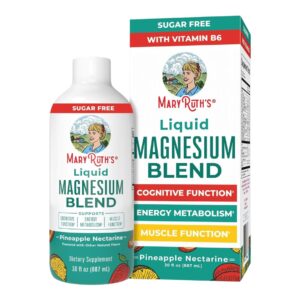
  2. Magnesium
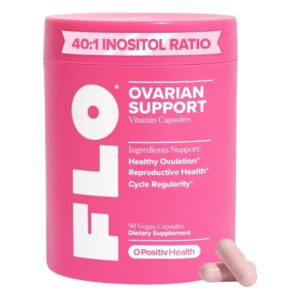
  3. FLO Ovarian
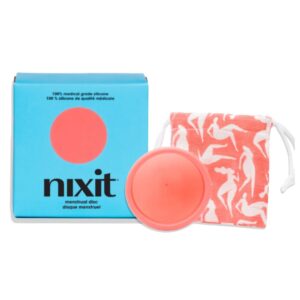
  4. Nixit Disc
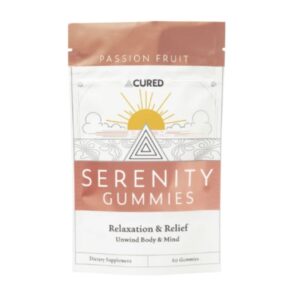
  5. Serenity Gummies
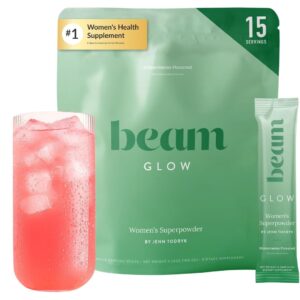
  6. Beam Glow
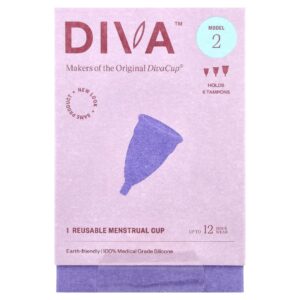
  7. Diva Cup
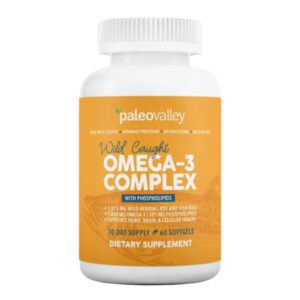
  8. Omega-3 Complex
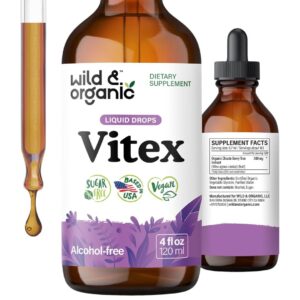
  9. Vitex Chaseberry

Gummies designed to ease the rough stuff that comes with PMS: bloating, breast tenderness, and cramps. Made with herbal supplements but without gelatin, gluten or artificial flavors. Use code KAYLAB to save 15%.

This liquid is formulated with a blend of 4 types of magnesium (as magnesium glycerophosphate, magnesium malate, magnesium taurate, and magnesium bisglycinate).

Formulated for easier regular periods. Helps support normal ovarian function for hormone management, cycle regularity and reproductive health.

A stem-free, suction-free, and 100% ultra-soft medical-grade silicone provides up to 12 hours of wear. Use code KAYLAB to save 15%.

Formulated with microdose THC, adaptogens, and function mushrooms that work synergistically to provide relief and relaxation. Use code KAYLABRUGGER to save 15%.

Glow is a daily wellness supplement for women formulated to support hormone levels already within a normal range, cycle health, and overall women’s wellness routine.

Diva believes everybody should feel confident that their period products will work—every time.

Supports brain and cognitive function, mood and emotional well-being and so much more.

This supplement for women is made with only vegan ingredients, free from GMOs, and contains no artificial additives.

Simple Cycle Support Starts with Your Daily Habits

Supporting your menstrual cycle doesn’t have to be complicated. Focusing on the basics—eating nutrient-dense foods, moving your body regularly, prioritizing quality sleep, managing stress, and using supplements thoughtfully when appropriate—can go a long way toward supporting women’s hormone health and promoting a healthy menstrual cycle.

Remember, cycle support isn’t about finding a quick fix or following a perfect routine every day. Hormones naturally fluctuate throughout your cycle and throughout different stages of life. Instead of striving for perfection, aim for consistency. The small choices you make each day often have the biggest impact over time.

Whether you’re looking to reduce PMS symptoms, improve your energy, support hormone balance, or simply feel your best throughout the month, start with one or two habits that feel realistic for your lifestyle. Those small, sustainable changes can add up to a healthier menstrual cycle and better overall well-being for years to come.

Your Friend & Pilates Expert,

signature-01

Kayla Brugger
Founder of PILATESBODY by Kayla
Founder of PILATESBODY On-Demand

Free 2-Week Pilates X Strength Challenge

Transform your body and mindset in 2 weeks with full body Pilates X strength exercises, leaving you stronger, leaner, and more confident. Download your Free Pilates Workout Calendar PDF to get started today!

2-Week Pilates X Strength Challenge Free YouTube Workout Program Dumbbells Ankle Weights - Pilatesbody by Kayla

Free 2-Week Pilates X Strength Challenge

Transform your body and mindset in 2 weeks with full body Pilates X strength exercises, leaving you stronger, leaner, and more confident. Download your Free Pilates Workout Calendar PDF to get started today!