Wondering how to build grip strength when your hands give out before your legs, glutes, or back? Learn why grip fatigue happens, simple ways to improve grip endurance, and how to keep progressing with heavier dumbbells during your home workouts.

If you’ve started lifting heavier during your at-home workouts, you may have noticed something frustrating. Your hands give out before the muscles you’re actually trying to train.
You’re halfway through squats, lunges, or RDLs. Your legs and glutes have more to give, but your forearms are burning, and those dumbbells suddenly feel MUCH heavier.
This can become especially noticeable when you start combining Pilates with strength training and progressively increasing your weights. Your lower body may be ready for more resistance while your grip is still catching up.
So, why are your hands calling it quits before the rest of your body? Let’s break down what causes grip fatigue, how to tell when your grip is actually limiting your workout, and a few simple ways to build better grip endurance at home.
This post includes affiliate links. I do earn a commission for products purchased using these links (at no additional cost to you). Thank you for supporting PILATESBODY by Kayla, making the content you see on this blog possible.
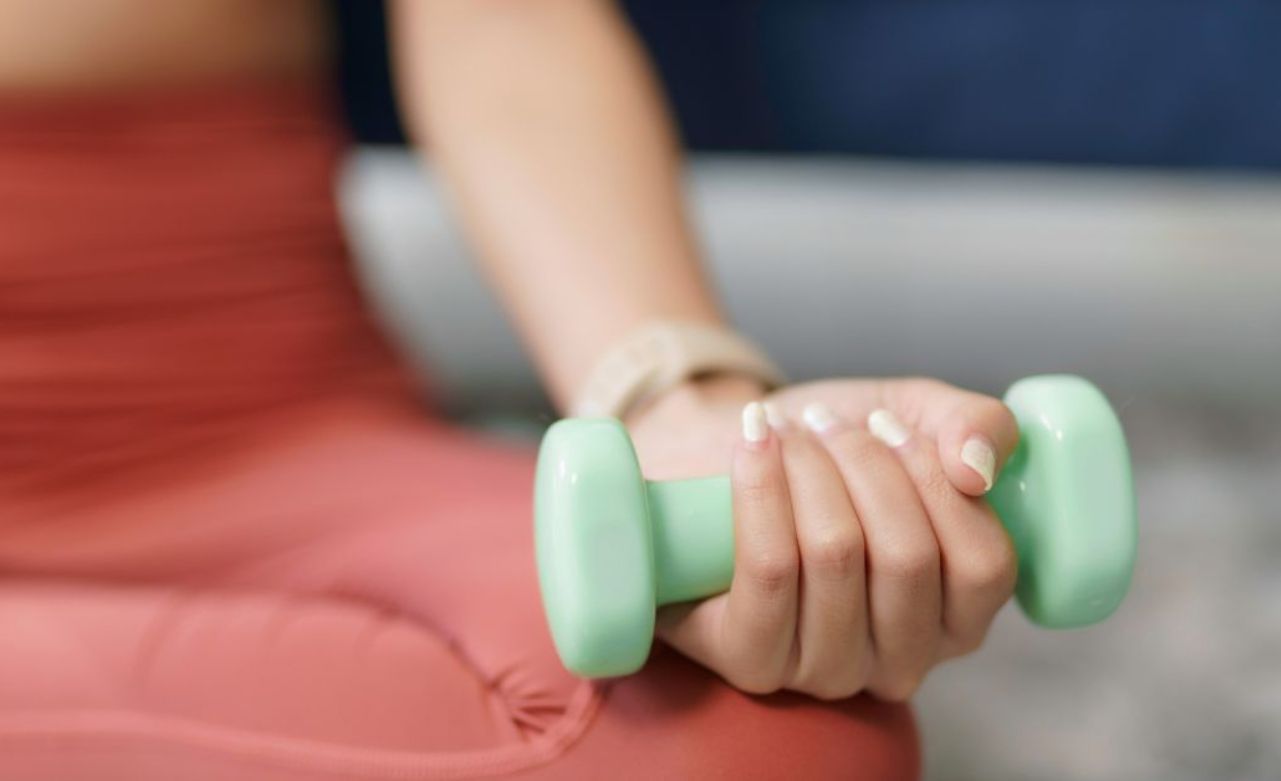
When you strength train with dumbbells, your body does two jobs at once. Your larger muscles, like your glutes, legs, and back, drive the exercise, while the smaller muscles in your hands and forearms work continuously to hold the weight.
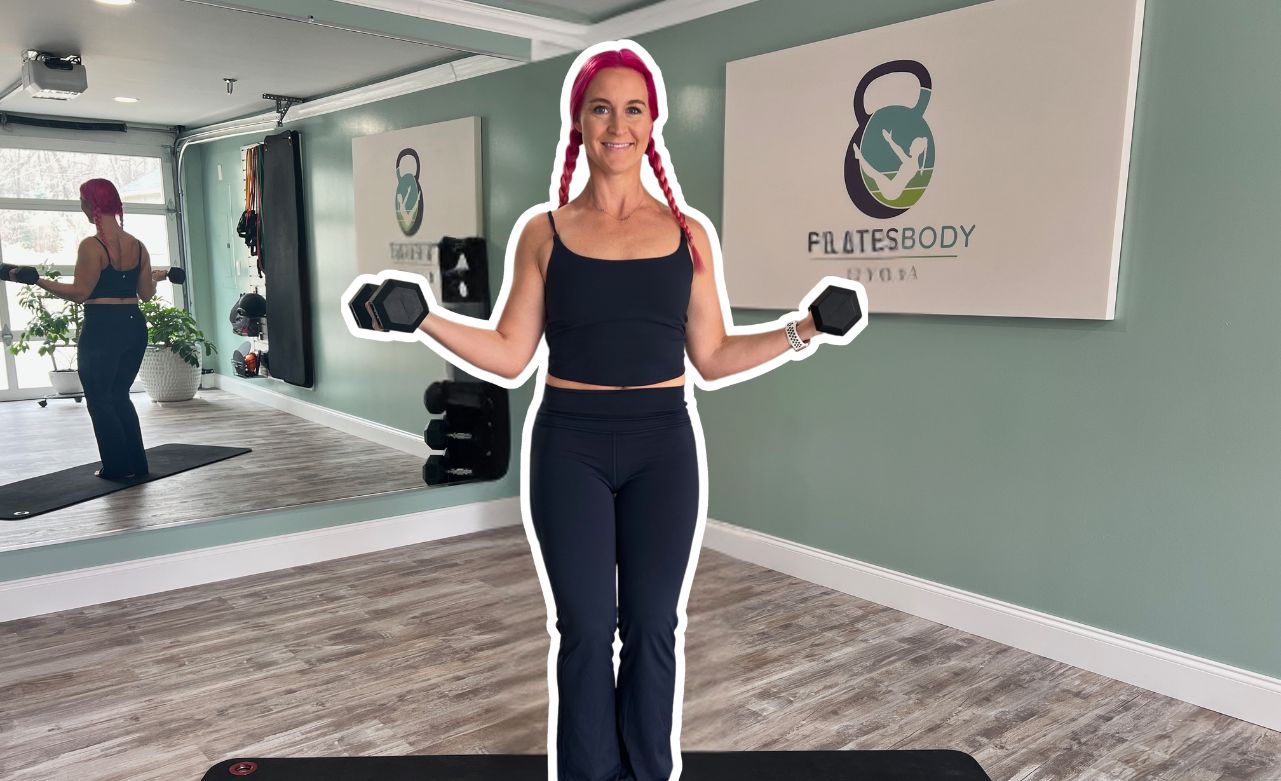
This becomes especially noticeable as you start lifting heavier. Your legs might be strong enough for 15- or 20-pound dumbbells during squats or RDLs, but your grip may fatigue before your lower body does. That doesn’t necessarily mean the weight is too heavy. It may simply mean your grip strength and endurance need a little time to catch up with the rest of your body.
If you’re newer to lifting or ready to start increasing your weights, check out my Strength Training for Beginners: 7 Things You Need to Know Before Hitting the Gym for more tips on getting started safely and building strength with confidence.
Being able to pick up a heavy dumbbell doesn’t necessarily mean you can hold onto it for an entire workout. That’s where grip strength and grip endurance differ.
Grip strength is how firmly you can hold something, while grip endurance is how long you can maintain that grip. You might easily grab your dumbbells for a set of squats, then notice your hands and forearms struggling after several exercises in a circuit.
This is especially important during at-home strength workouts where you may use the same dumbbells for multiple exercises with short rest periods. If your grip starts fading, try setting the weights down between movements or gradually increasing how long you can comfortably hold them. Your grip endurance can improve right alongside the rest of your strength.

Your grip may be limiting your workout if your hands or forearms are forcing you to stop, even though the muscles you’re targeting could keep going.
A few signs to watch for include:
If you’re doing RDLs and your hands are DONE while your glutes and hamstrings still feel like they have another five reps in them, your grip may be the limiting factor. You can put this to the test during my Legs + Back Pilates Strength Training Workout, where we use weighted exercises to challenge your lower body and back while putting these grip tips into practice.
Before automatically reaching for lighter dumbbells, pay attention to what is actually causing you to end the set. This can help you decide whether you need to adjust the weight, improve your grip, or give your hands a quick reset between exercises.
When your weights start feeling heavy, your first instinct might be to squeeze the dumbbells as hard as possible. But white-knuckling the handle through every rep can make your hands and forearms fatigue faster than they need to.
Instead, grip the dumbbell firmly enough that it feels secure without squeezing with maximum effort. Keep your wrist stacked over your forearm and try to avoid unnecessary tension through your hands, shoulders, and upper body.
Between exercises, safely set your weights down and open and close your hands a few times. Even a quick reset can give your grip a break before your next set.
You should always feel like you have control of the dumbbell. The goal is a strong, secure grip without wasting energy squeezing harder than necessary.

Before adding separate grip exercises, start with a few simple adjustments. Sometimes you don’t need stronger hands right away. You might just need to change how you’re managing the weight.
I’m a BIG believer in gradually increasing your weights as you get stronger, but good form and control always come first. If your grip is constantly slipping, temporarily drop to a weight you can hold securely while your grip catches up.
You don’t need to hold your dumbbells through every transition. Set them down between exercises, shake out your hands, and give your grip a quick reset before picking them back up.
Try to keep your wrist stacked with your forearm instead of allowing the dumbbell to pull it backward or sideways. A strong, neutral wrist position can help you maintain better control of the weight.
Progressive overload doesn’t always mean grabbing heavier dumbbells. It simply means gradually increasing the challenge placed on your muscles over time. You can do that by increasing weight, adding reps, working for longer, or improving your control.
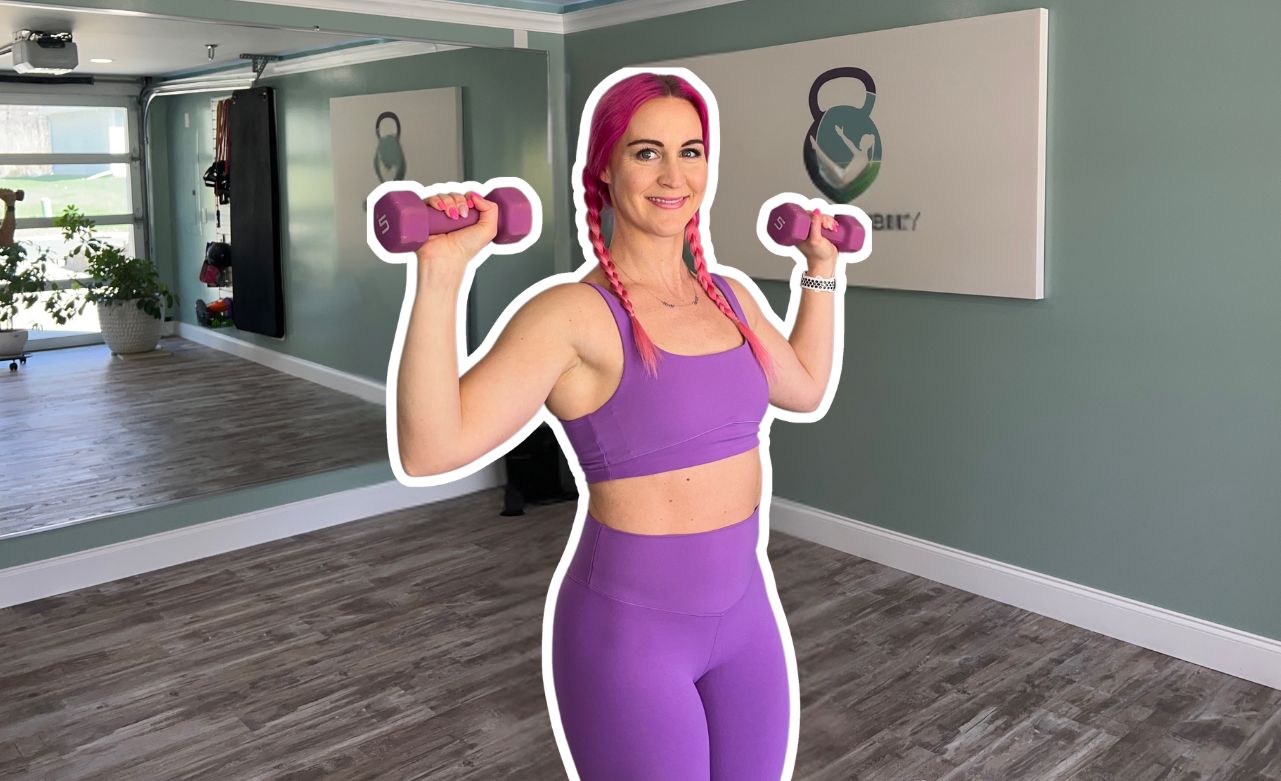
My 20-Min Upper Body Sculpt Pilates X Strength Workout for Strong, Toned Arms is a great workout to practice this. Instead of immediately reaching for heavier dumbbells, focus on completing more reps with your current weights or maintaining control for longer before increasing the load.
Your grip is progressing, too. Once you can comfortably handle your current weights without your hands giving out first, that may be a sign you’re ready to go heavier.
You don’t need to add another workout to your week just to strengthen your grip. A few minutes after a strength workout, or even carrying heavier dumbbells during your regular exercises, can help build grip endurance over time.
Try adding one or two of these:
Start with an amount of time you can control without pain or your form breaking down. Your grip should feel challenged, but you don’t need to push until your hands completely give out.
Just like the rest of your strength training, consistency and gradual progression matter more than exhausting the muscle in one session.
Grip endurance matters outside your workouts, too. Think about carrying ALL the grocery bags into the house in one trip, hauling luggage, doing yard work, or carrying a toddler who suddenly decides their legs no longer work!
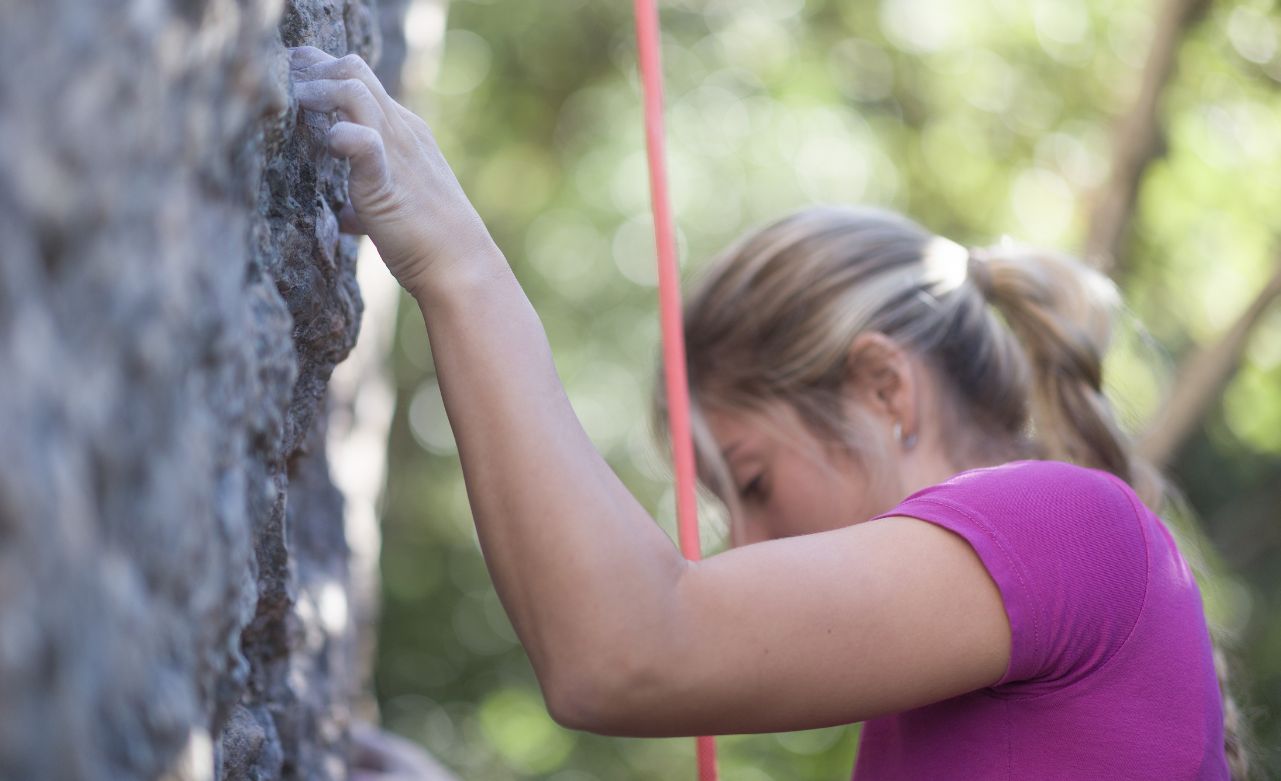
You’ll also notice grip endurance during recreational activities like rock climbing, where your fingers and forearms may be working for longer periods without much of a break. Learning to avoid overgripping and vary how you use your hands can help reduce unnecessary strain when your grip is being challenged repeatedly.
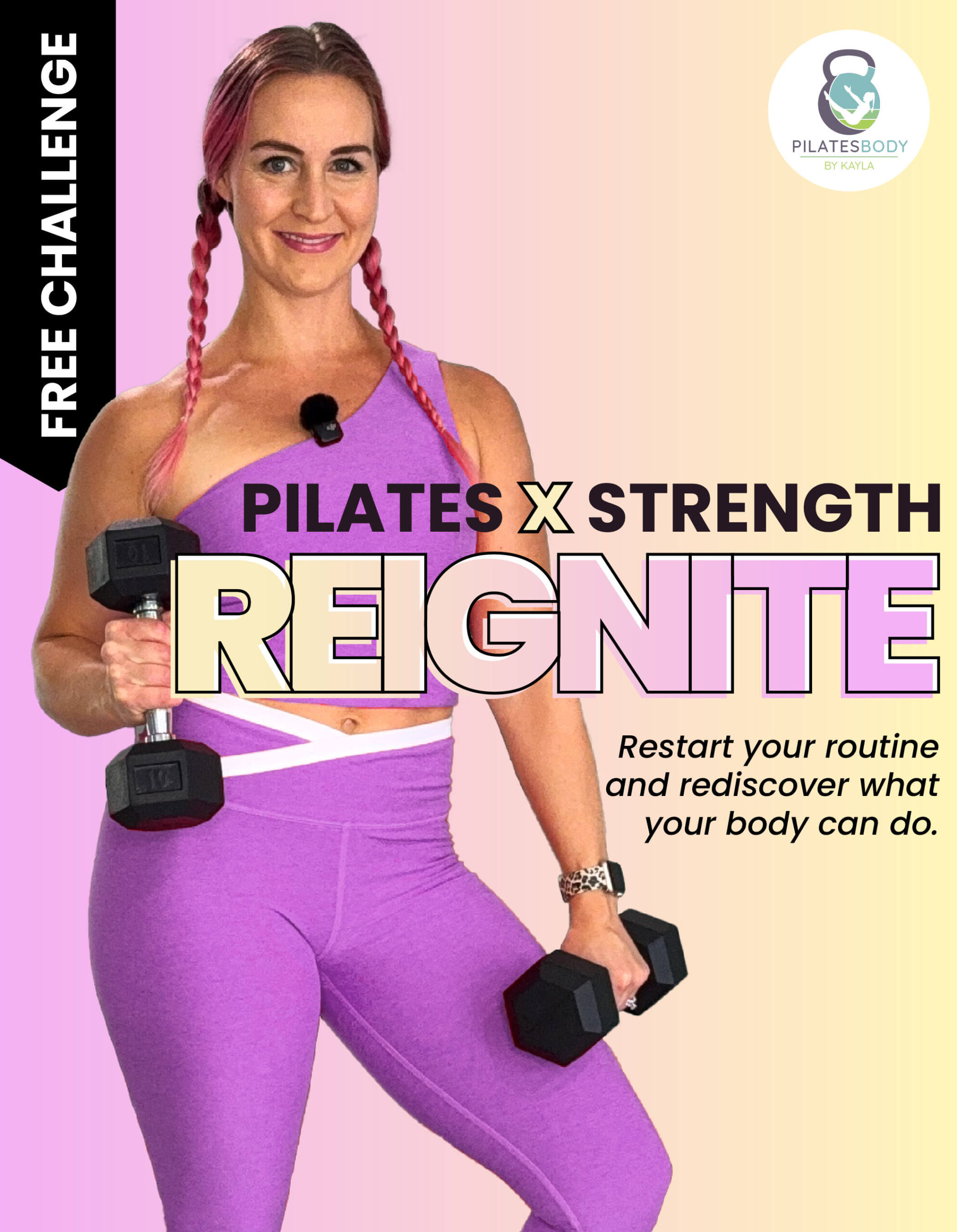
You don’t have to be a rock climber to benefit from the same idea. Building grip endurance during your strength workouts can make everyday tasks feel easier too. If you want a structured way to work on your overall strength at home, try REIGNITE: A Free 2-Week Pilates X Strength Challenge to Help You Feel Strong Again. It combines Pilates and strength workouts to help you build strength, control, and consistency without spending hours working out.
Whether you’re holding dumbbells, carrying groceries, or hanging onto climbing holds, aim for a secure grip without squeezing harder than necessary. Better control can help your hands and forearms manage the workload more efficiently.

Your grip may give out first because the smaller muscles in your hands and forearms are working continuously to hold the weight. Your legs, glutes, or back may be strong enough to keep going even when your grip is starting to fatigue.
Yes, regularly holding dumbbells can help challenge your grip without adding separate grip workouts. As you gradually increase your weights or hold them for longer periods, your hands and forearms have to adapt to the increased demand.
Not necessarily. If you can safely control the dumbbells and maintain good form, your grip may simply need time to catch up. However, if the weight is slipping, your wrists are losing position, or you’re worried about dropping it, temporarily using a lighter weight is the safer choice.
There isn’t one timeline that applies to everyone. Your starting strength, how often you train, the weights you use, and your overall routine can all make a difference. Focus on gradually increasing how long you can comfortably hold your dumbbells rather than trying to rush the process.
It can. If your hands are consistently giving out before the muscles you’re trying to train, improving your grip may help you complete more reps or comfortably hold heavier dumbbells. A stronger, more secure grip can be especially helpful during exercises like RDLs, lunges, squats, and other movements where you hold weights for an extended period.
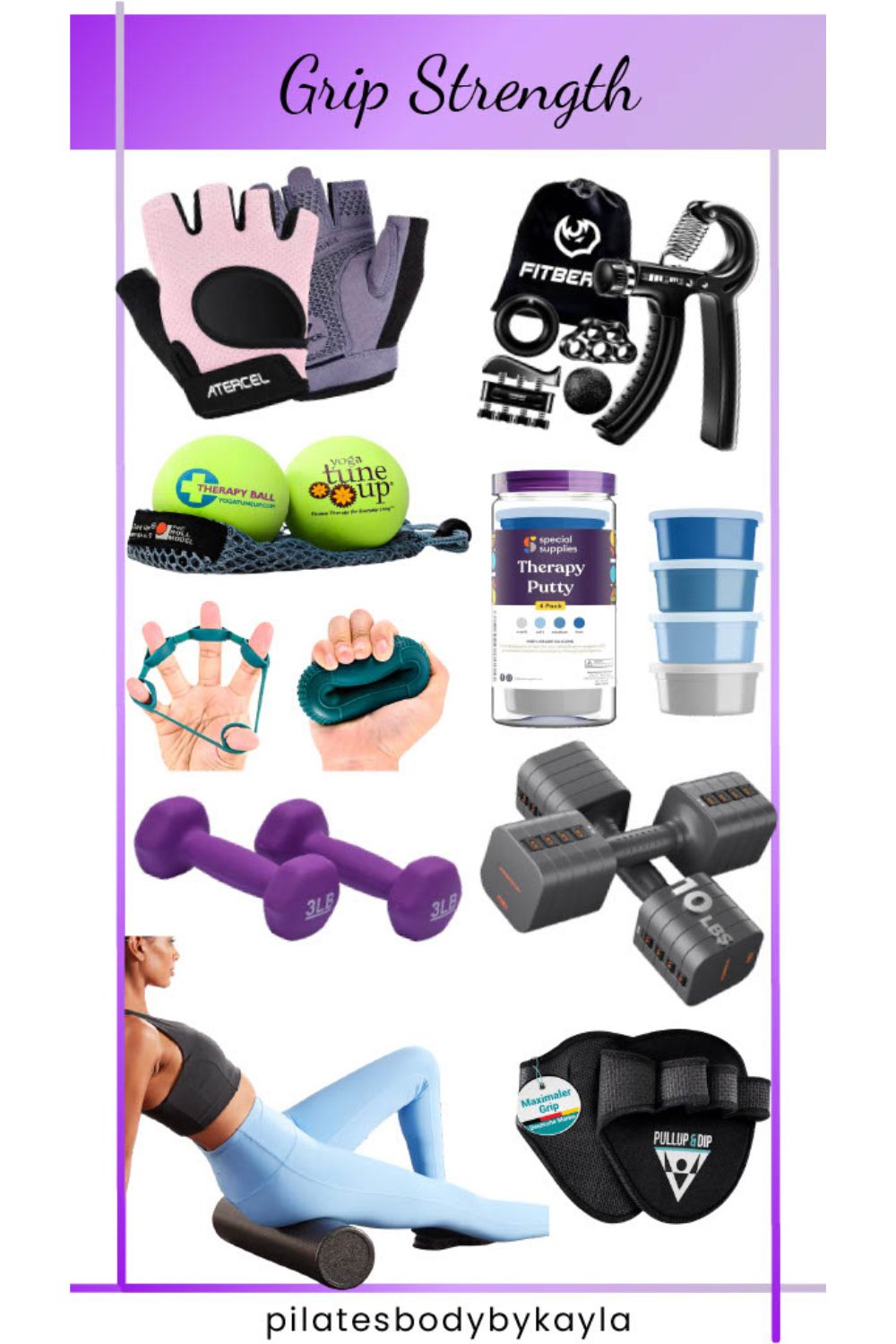
A stronger grip can make a BIG difference when you start progressing to heavier weights. I rounded up a few of my favorite dumbbells, grip tools, and home workout essentials to help you build grip strength, improve control, and feel more comfortable during your strength workouts.
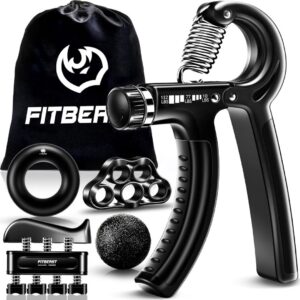
This all-in-one kit gives you several ways to work on grip strength, finger strength, and endurance right at home. It’s an easy option to add a few minutes of focused grip training after your regular strength workout.
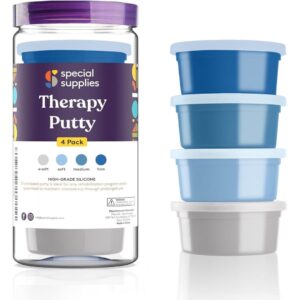
Therapy putty provides resistance as you squeeze, pinch, and manipulate it with your hands and fingers. I like that you can use it while sitting at your desk or watching TV, making it an easy way to work on grip strength without adding another workout.
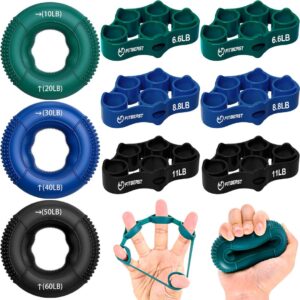
These resistance tools let you train both gripping and finger extension, which is a great way to work your hands from different directions. Use them for short grip strength exercises at home to gradually challenge your hands and forearms.
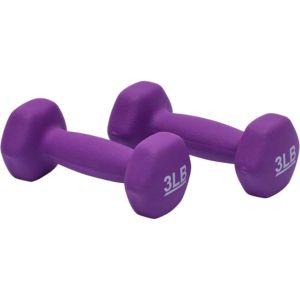
Neoprene dumbbells are a great addition to your home workout setup, especially if you prefer a coated handle. Choose a weight you can comfortably control, then gradually increase the challenge as your strength and grip endurance improve.
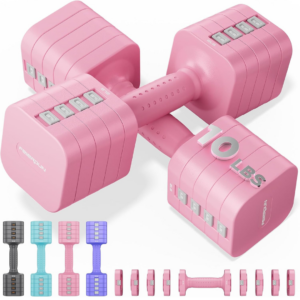
Adjustable dumbbells make progressive strength training at home SO much easier because you can change the resistance without owning a huge collection of weights. They also make it simple to find a load that challenges your larger muscles without sacrificing your grip or form.
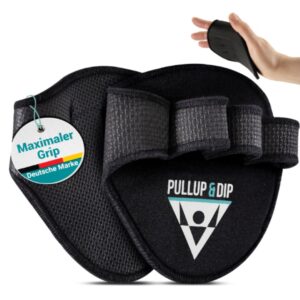
If sweaty or uncomfortable hands make your weights harder to hold, grip pads can add a layer between your hands and the dumbbell handle. They’re a simple option for improving comfort and helping you maintain a secure grip during heavier strength exercises.
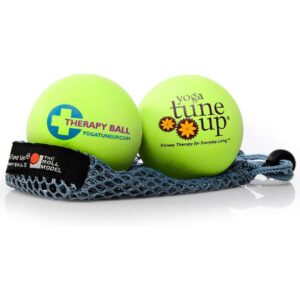
Your hands and forearms are working hard when you’re lifting weights, so don’t forget about recovery. Therapy balls can be used for targeted self-massage after a workout, especially when your forearms feel tight from gripping dumbbells.
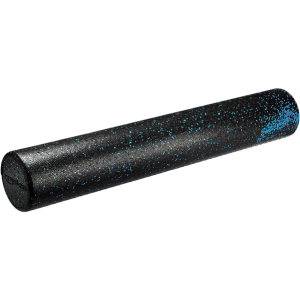
A foam roller is one of my favorite multipurpose pieces of home workout equipment. Use it for mobility and recovery, or incorporate it into Pilates exercises like my 10-Minute Pilates Deep Core Workout with the Foam Roller.
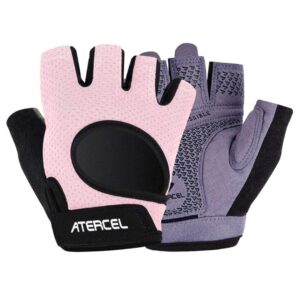
Weight lifting gloves can provide extra coverage between your hands and your weights, which may make dumbbells more comfortable to hold. They can be especially useful during longer strength workouts when your hands start getting sweaty or uncomfortable.
simple. Check your grip, keep your wrists neutral, and give your hands a quick reset between exercises when needed.
As you continue strength training, your grip endurance can improve right along with the rest of your body. You can also add a few of the grip exercises above when they fit into your routine.
Ready to put it into practice? Try my 10-Minute Standing Ab Workout With Weights and focus on keeping a strong, controlled grip throughout the workout.
Your workout routine doesn’t need to get more complicated. By making a few small adjustments, you’ll be able to lift with better control, keep progressing with your weights, and build strength that carries into everyday life.
Your Friend & Pilates Expert,

Kayla Brugger
Founder of PILATESBODY by Kayla
Founder of PILATESBODY On-Demand