You have 0 items in your cart
Think low-impact means low results? Think again. Learn how low-impact exercises can help you burn fat, boost energy, and stay consistent—without the jumping.

When people hear “low impact,” they often assume “low results.”
But that couldn’t be further from the truth—especially if your goal is sustainable fat loss, better energy, and a routine that doesn’t leave your joints begging for mercy.
As a mom of two and Pilates strength coach, I’ve lived through all the workout seasons—from intense HIIT burnout to rebuilding strength postpartum. And what I’ve learned is this: low-impact exercises can deliver serious results, if you do them right.
In this blog, we’ll break down what low-impact exercises actually are, how they benefit your metabolism, energy, and hormone health, and why they might just be the best workouts for women in their 30s and 40s. I’m also sharing some of my go-to low-impact cardio exercises, fat-burning Pilates routines, and favorite products to help you feel strong from the inside out—no jumping required.
This post includes affiliate links. I do earn a commission for products purchased using these links (at no additional cost to you). Thank you for supporting PILATESBODY by Kayla, making the content you see on this blog possible.
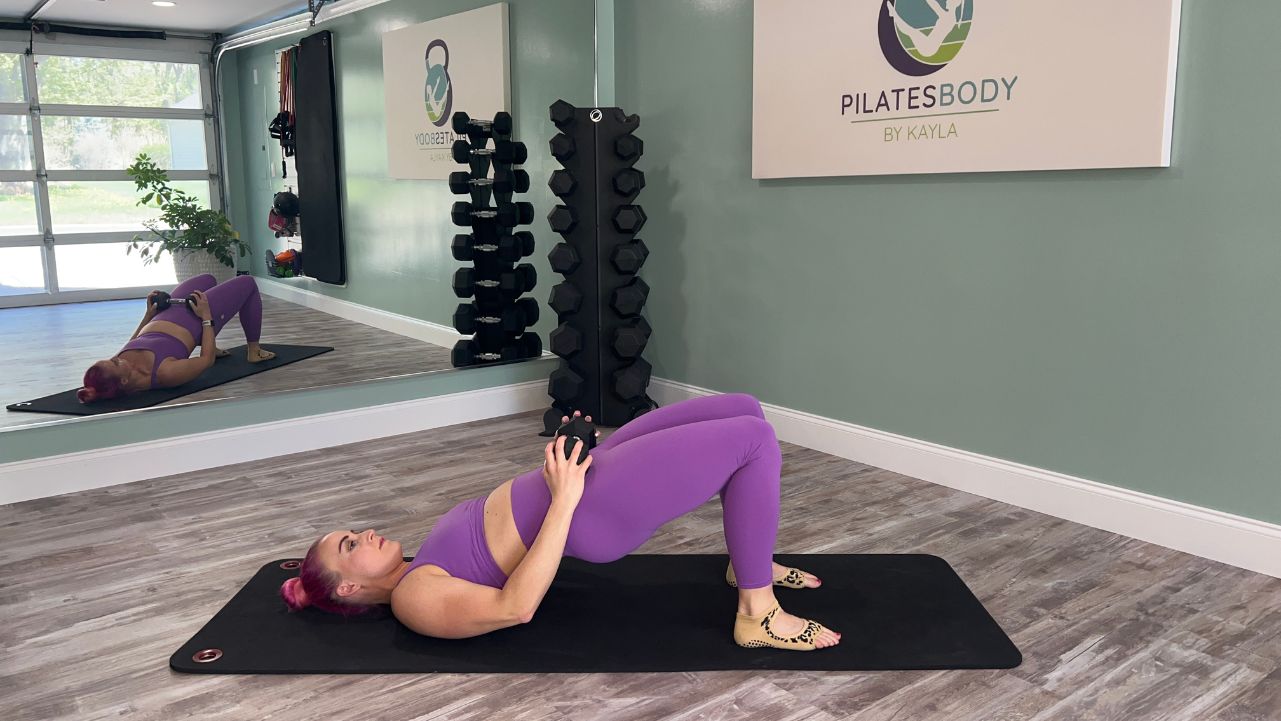
Low-impact exercises are workouts that reduce stress on your joints by minimizing impact forces—especially through the knees, hips, and ankles.
They’re the opposite of high-impact movements like traditional burpees, jump squats, and sprints.
But don’t confuse “low impact” with “low intensity.” You can still sweat, strengthen, and sculpt—without pounding the pavement.
Some common examples of low-impact movement include:
Whether you’re recovering from injury, postpartum, or just sick of HIIT burnout, low-impact training is a smart and sustainable way to stay strong.
One of the biggest myths in fitness? That you need to crush your body to lose fat.
Low-impact cardio exercises and strength work can be just as effective—if not more—because they’re easier to recover from. That means you can do them more often and with more consistency.
Here’s how low-impact exercises support fat loss and energy:
Translation? Less burnout. More burn.
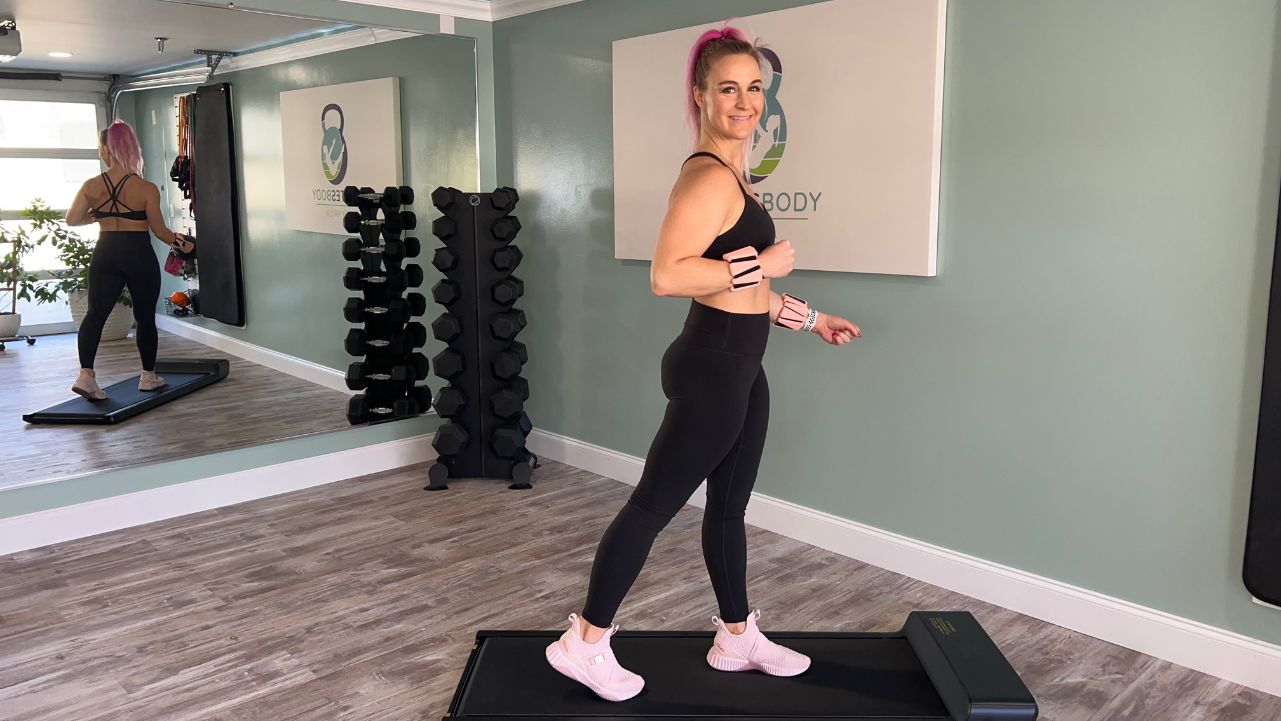
You don’t need to jump around like a maniac to see results.
Here’s what really drives fat loss:
Think about it: elite swimmers, cyclists, and Pilates instructors all use low-impact training—and many are in the best shape of their lives.
High-impact workouts may burn more calories per minute, but they also come with more risk of injury and longer recovery windows. For many women—especially in their 30s and 40s—low-impact strength and cardio strike the perfect balance.
Honestly? Just about everyone can benefit from adding low-impact days into their routine.
As a former gymnast, lifelong workout enthusiast, and now a Pilates strength coach, I’ve been through just about every training style out there. And through all the phases—injury, burnout, postpartum, and rebuilding—low-impact movement has been the most consistent, sustainable way to stay strong without breaking myself down in the process.
But it’s especially helpful for:
And if your goal is longevity—strong muscles, balanced hormones, and the energy to keep up with your life—low-impact workouts are the secret weapon.
Because here’s the truth: The best workout is the one you’ll actually do. Not once. Not twice. But over and over again, through all the ups and downs.
That’s the magic of low-impact movement. It meets you where you are—and keeps showing up when everything else feels like too much.
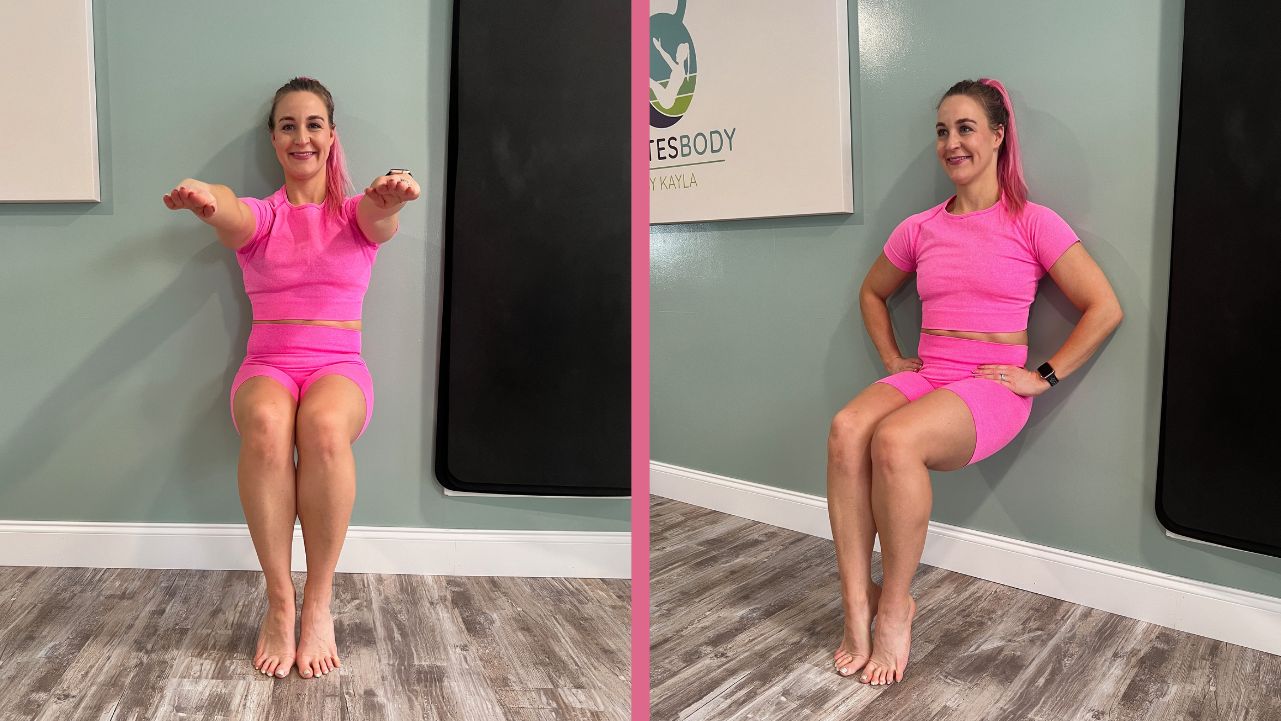
Low-impact doesn’t have to mean easy.
Here’s how to dial up the intensity without adding jumps:
Check out my Wall Pilates Booty Band Workout—it’s low impact, but high burn.
We slow things down, add resistance, and go deep on glutes and legs… without a single jump.
In my experience—both as a trainer and a mom trying to fit workouts in between snacks and nap times—3 to 5 low-impact sessions a week is that sweet spot.
Here’s what I recommend mixing in:
Some weeks I get all five workouts in. Other weeks, it’s two walks and a foam rolling session—and that still counts. The key? Keep showing up in a way that feels doable, not draining.
Signs it’s working?
Want to get started? Try mixing and matching from this list of the best low-impact exercises—including a few of my go-to YouTube workouts that require zero jumping and actually feel good on your body:
You don’t need fancy equipment. You just need a plan—and consistency.
Yes—100% yes. Fat loss isn’t about punishing your body with jump squats and burpees. It comes down to consistent movement, calorie burn, and muscle activation over time.
Low-impact workouts can absolutely be structured for fat-burning—especially when you’re using resistance (like dumbbells or bands), adding intervals, and walking regularly. That’s exactly what we do in my 21-Day Pilates Strength Challenge—it’s designed to help you build lean muscle and burn fat without ever jumping.
I’ve worked with so many women who’ve seen results faster once they swapped intense, draining workouts for something more sustainable—because they finally stuck with it. And that’s the real secret.
Absolutely. Your heart doesn’t care if you’re jumping—it just wants to be challenged. Brisk walking, cycling, or a low-impact Pilates HIIT session can all raise your heart rate, improve circulation, and strengthen your cardiovascular system—without pounding your joints.
Personally, I’ve leaned into walking and low-impact cardio and my heart health, energy, and mood never missed a beat.
Most people see results with 3–5 sessions per week. This gives you enough frequency to build momentum while also allowing time to rest and recover.
Here’s my favorite split:
Low-impact workouts are a no-brainer for:
I’ve personally relied on low-impact training during every life phase—pregnancy, postpartum, stress-heavy seasons, and even while rehabbing minor injuries. It meets you where you are, without making you feel broken or behind. And more importantly, it helps you keep moving forward.
Forget the scale for a second. Some of the most powerful wins aren’t measured in pounds—they’re felt.
Here’s what I recommend watching for:
You can also track things like reps, weights used, daily step counts, or even just jot down how your body feels after each session. I always tell clients: if you’re sleeping better, moving more, and feeling stronger—you’re making progress. Period.
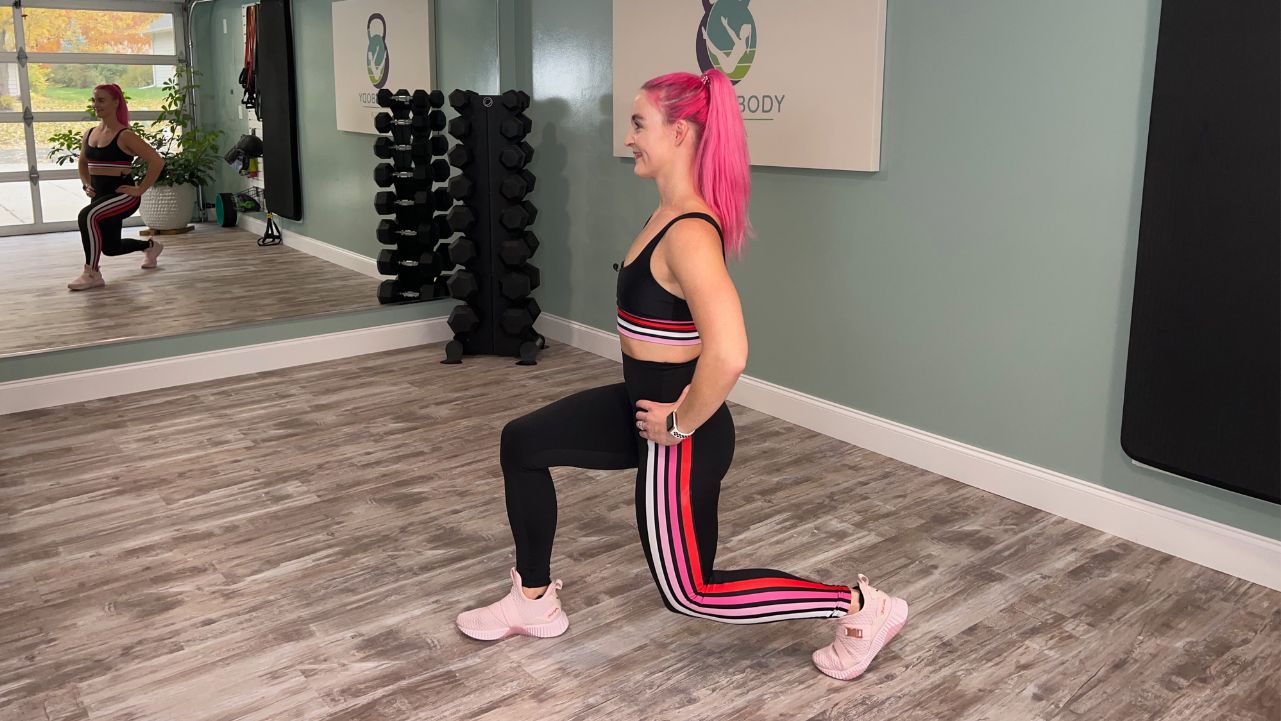
You don’t need a gym full of equipment—or any jumping—to get an effective, fat-burning workout. With just a few key pieces of gear, low-impact exercises can become more challenging, more fun, and way more effective. Whether you’re building strength, improving stability, or just trying to move more without stressing your joints, these tools are perfect for making your workouts work smarter, not harder.
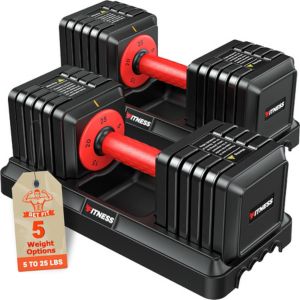
Ditch the clutter and level up your strength training with adjustable dumbbells. With easy weight changes and a compact design, they’re perfect for progressive overload—without the joint strain of high-impact moves. A smart investment for home workouts that actually deliver results.
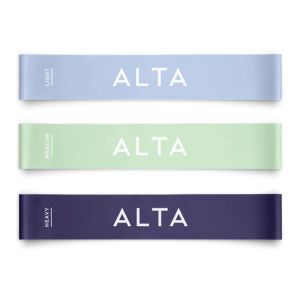
These mini loop bands may look small, but the burn is real. Whether you’re toning your glutes, stabilizing your core, or firing up your arms, these bands add resistance without adding pressure on your joints. A go-to tool for sculpting with control.
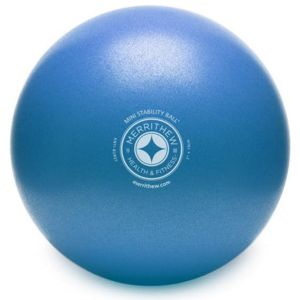
This versatile Pilates ball is a game-changer for core work, posture support, and deep muscle activation. It’s gentle on your spine and joints but delivers serious intensity when used for pulses, squeezes, or balance drills.
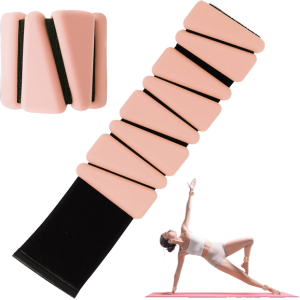
Add a little extra oomph to your low-impact workouts with soft, comfortable wrist or ankle weights. Whether you’re walking, doing standing Pilates, or core work, these weights make every rep count—without the need for jumping or speed.
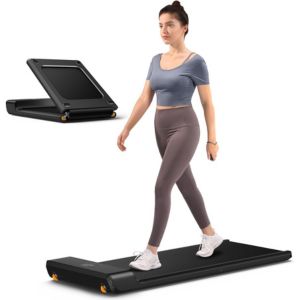
Walking is the most underrated fat-burning workout out there—and with a compact, foldable walking pad, it’s always within reach. Perfect for getting steps in while watching TV, working from home, or moving through busy seasons when outdoor walks aren’t realistic.
Recovery is key—especially when you’re training consistently. A quality foam roller helps reduce muscle tension, improve circulation, and support mobility. Use it post-workout or on rest days to keep your low-impact routine feeling good and going strong.
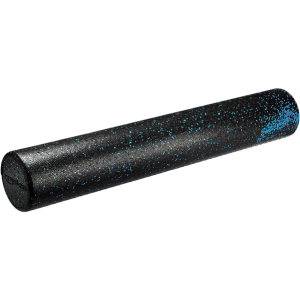
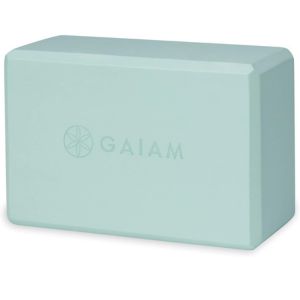
Don’t underestimate this block. It helps you modify, support, and deepen exercises safely—especially if you’re working on mobility, alignment, or balance. A must-have for low-impact workouts that prioritize control and form over intensity.
So let’s set the record straight:
Low impact doesn’t mean low effort.
And it definitely doesn’t mean low results.
Whether you’re walking, lifting dumbbells, flowing through Pilates, or doing a low-impact cardio interval workout—if you’re showing up consistently and moving with intention, you are making progress.
Low-impact training is about longevity. Hormonal balance. Functional strength. Confidence.
It’s not about punishing your body. It’s about building one that supports you—for life.
If you’re ready to make your movement work for you—not against you—start with the workouts and products I’ve shared in this post.
And if you’re not sure where to begin, grab one of my free weekly Pilates plans or join the next challenge—we’ll do it together.
Your Friend & Pilates Expert,
Kayla Brugger
Founder of PILATESBODY by Kayla
Founder of PILATESBODY On-Demand
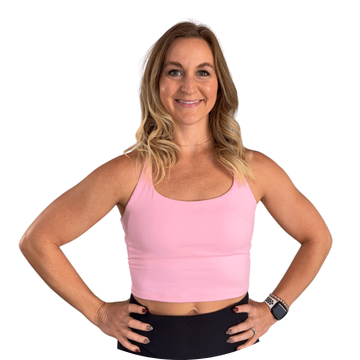
Hi, I'm Kayla Brugger. Certified Pilates Instructor & Minnesota Mama of 2.