What is the best handheld blender for smoothies?
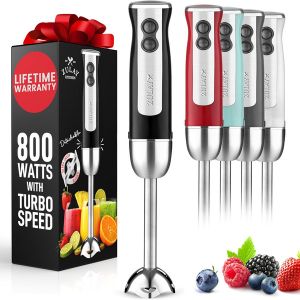
Handheld blenders (also called immersion blenders) can work in a pinch—especially if you’re blending soft fruits or making a quick yogurt-based smoothie. But if you’re adding frozen fruit, ice, or greens, they usually can’t keep up. I’ve tried using one before when my main blender broke, and let’s just say it was more “chunky fruit soup” than smoothie. For a truly smooth texture, I always go with a personal countertop blender. It’s more powerful, less messy, and blends everything evenly—no surprise frozen strawberry at the bottom of your cup.
Which personal blender crushes ice best?
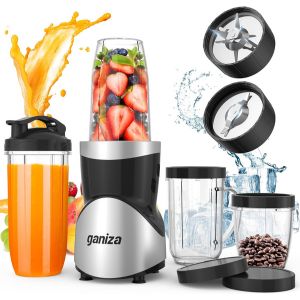
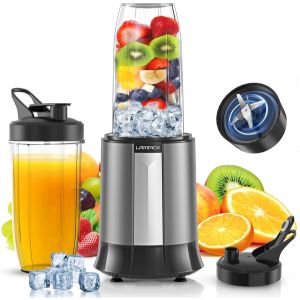
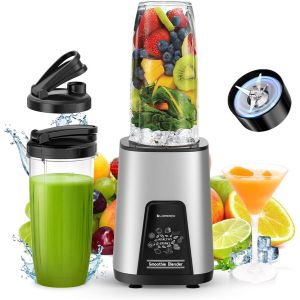
The LAMPICK Smoothie Blender (1300 W) takes the lead here. Its high-powered motor and stainless-steel blades easily pulverize ice and frozen fruit into a creamy texture that rivals countertop blenders. The Ganiza Smoothie Blender (900 W) also performs well, handling frozen ingredients and nuts smoothly for thick, icy blends without straining the motor.
What is the highest rated portable blender?
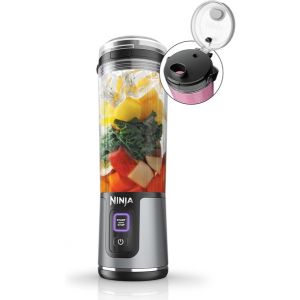
The Ninja Blast Portable Blender stands out as the highest-rated portable model. It’s cordless, USB-C rechargeable, and powerful enough to make silky smoothies in its 18 oz BPA-free cup. Reviewers love its convenience for travel, gym, or office use. If you prefer something lighter, the BESNOOW Portable Blender is another highly reviewed option known for its easy self-cleaning and solid battery life.
Are mini blenders powerful enough for protein shakes?
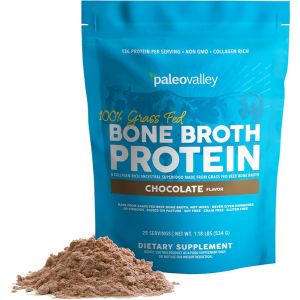
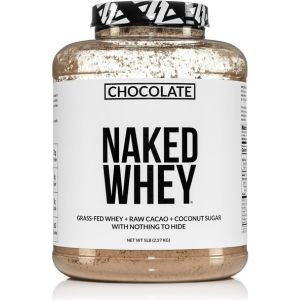
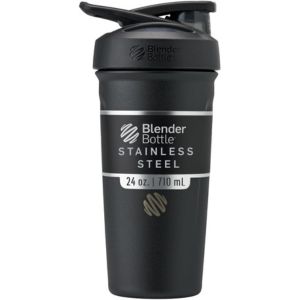
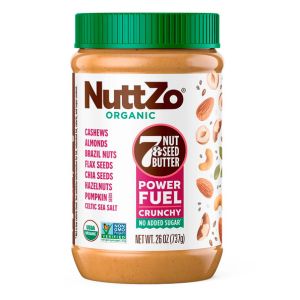
100%. In fact, this is what they’re made for. I use my mini blender after workouts all the time—almond milk, chocolate protein, a frozen banana, maybe some peanut butter if I’m feeling fancy. It blends everything perfectly smoothly in under 30 seconds. The key is to add your liquid first and then your powder so it doesn’t clump around the blades. It’s fast, easy to clean, and way less hassle than dragging out the big blender every day.
Can personal blenders handle nuts or leafy greens?
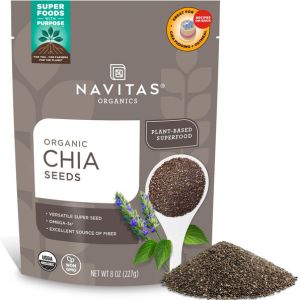
Some can—but it depends on the power and blade design. If you’re just tossing in a handful of spinach or kale, most personal blenders handle that no problem. But if you’re blending tougher stuff like almonds or kale stems, go for something with a stronger motor (around 700 watts or more). I’ve tested a few that can make a surprisingly smooth green smoothie—even with chia seeds or frozen spinach. The key is pulsing a few times and not overfilling your cup. Once you figure out your layering trick, even a small blender can do big things.