Stress doesn’t have to control your day. These body-based stress relief tools—like journaling, deep breathing, and nature walks—help you feel grounded fast. Learn how to create your own simple, sustainable stress-relief toolkit.
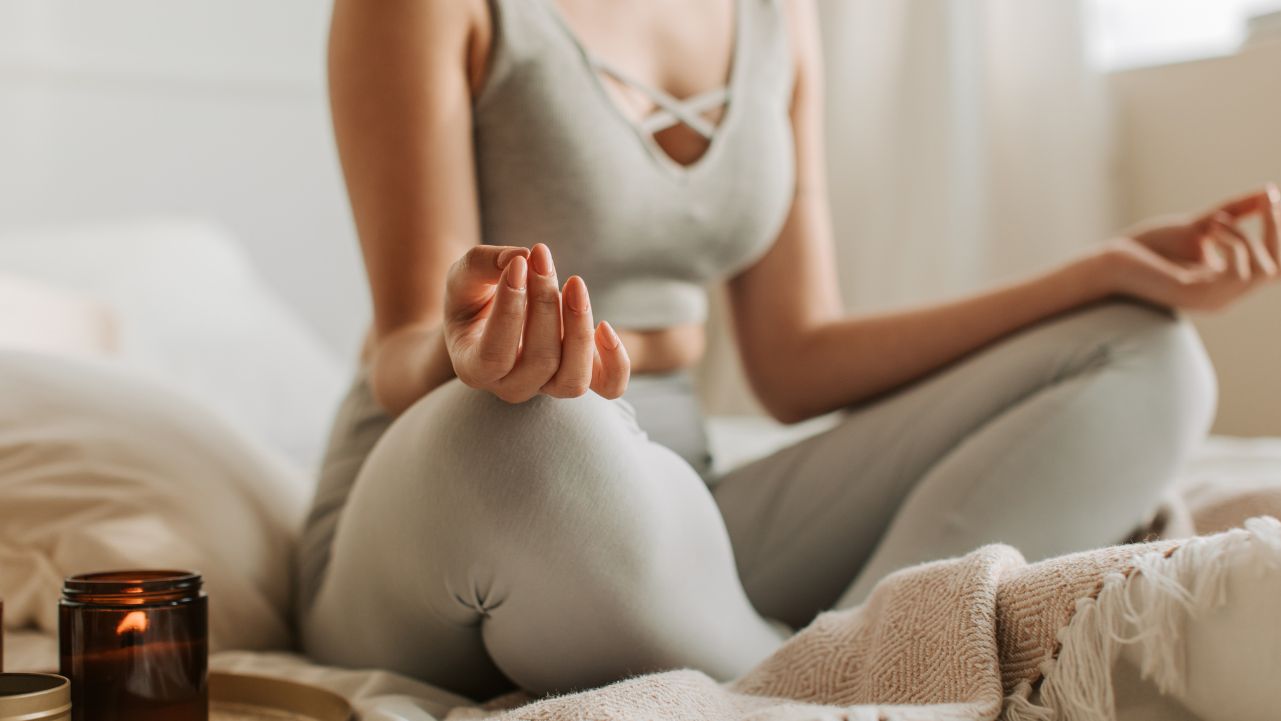

5 Body-Based Tools for Reducing Stress Cover.

5 Body-Based Stress Relief Tools (Techniques Anyone Can Use)

In our fast-paced world, stress has become an almost constant companion. Between work deadlines, family responsibilities, and endless information streams, our nervous systems often run on overdrive. But here’s what I’ve learned through my own journey and work with clients at Gradual Shifts: your body holds incredible wisdom for managing stress—and some of the most effective stress-relief tools are surprisingly simple.

The Mayo Clinic defines stress as “a normal psychological and physical reaction to the demands of life.” While small amounts of stress can be motivating, chronic stress takes a toll on both mental and physical health. The good news? Your body comes equipped with powerful mechanisms to restore calm and balance.

Today, I want to share six body-based techniques you can use anywhere, anytime to help your nervous system shift from stress mode to rest mode. These aren’t complex practices requiring years of training—they’re accessible tools that work with your body’s natural wisdom.

This post includes affiliate links. I do earn a commission for products purchased using these links (at no additional cost to you). Thank you for supporting PILATESBODY by Kayla, making the content you see on this blog possible.

Stress relief tools journaling.

1. Journaling: Releasing Stress Through Your Hands

There’s something almost magical about putting pen to paper when your thoughts are swirling. Research shows that journaling can significantly improve both physical and psychological well-being, particularly for those dealing with anxiety and stress.

Why it works: Writing engages multiple brain systems simultaneously. When you translate feelings into words, you activate your prefrontal cortex (thinking brain) which helps regulate the amygdala (alarm center). This process literally helps your nervous system calm down.

How to start:

  • Set aside just 5–10 minutes daily
  • Don’t worry about grammar—just let thoughts flow
  • Try prompts like “Right now I’m feeling…” or “What I need today is…”
  • Consider gratitude journaling—three appreciations each day

2. Moving Your Body: Exercise as Medicine for Stress

Mayo Clinic research confirms what many experience firsthand: physical activity is one of the most effective ways to combat stress. Exercise doesn’t just distract from stress—it actually changes your body’s stress response.

Why it works: Exercise is one of the most effective stress-relief tools out there. Movement increases endorphins (natural mood elevators) and helps metabolize stress hormones like cortisol and adrenaline, essentially helping your body “complete” the stress cycle.

Simple options:

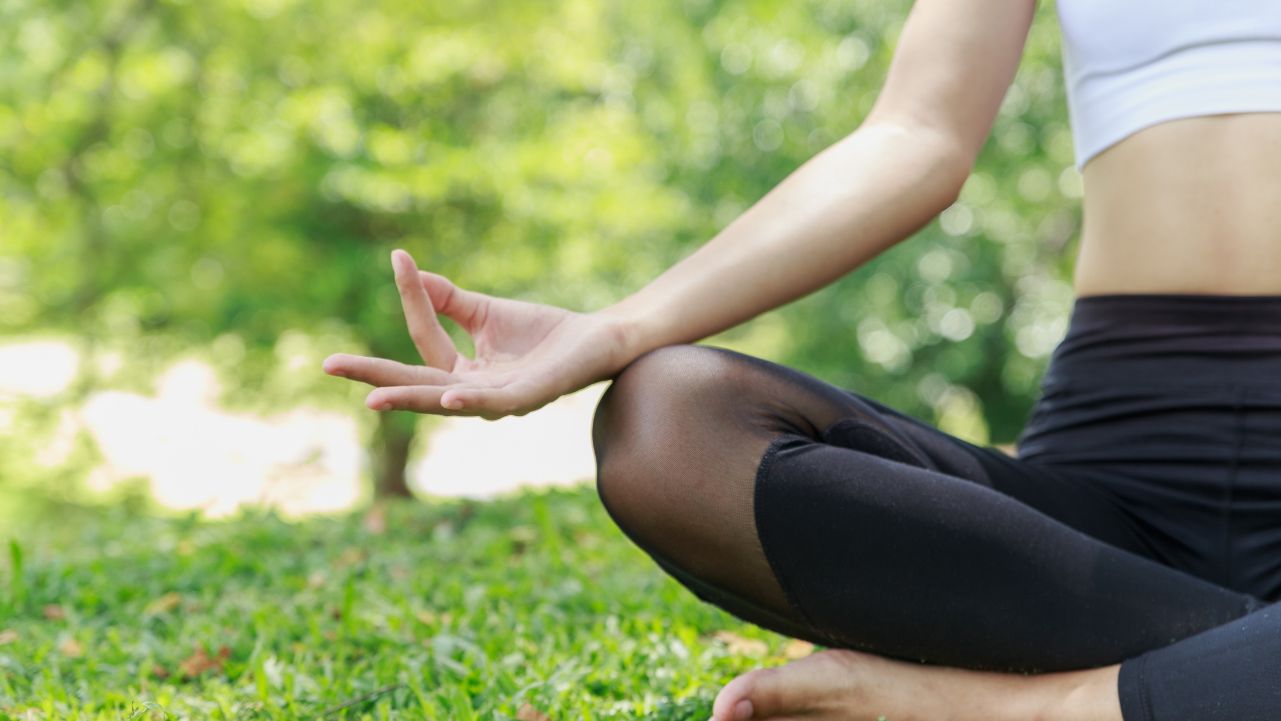
  • Gentle yoga or stretching (even 5 minutes helps)
  • Dancing to your favorite song
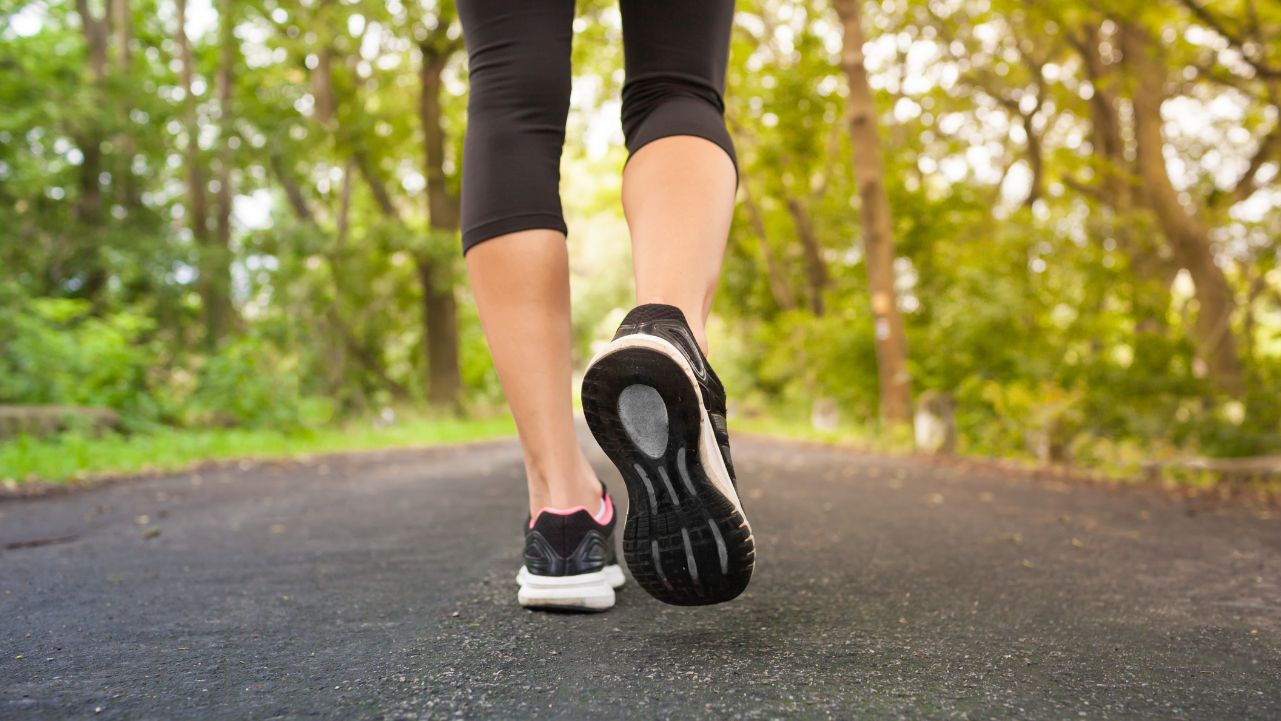
  • Walking outdoors
  • Shoulder rolls and neck stretches at your desk
  • Progressive muscle relaxation

Want to explore more somatic experiencing techniques to support your emotional wellbeing? Book your free, 30-minute clarity coaching call today.

Stress relief tools walking.

3. Deep Breathing: Your Built-In Stress Reset Button

Deep breathing can decrease stress effects on your mind and body, slowing your heartbeat and helping stabilize blood pressure.

Why it works: When stressed, breathing becomes shallow and chest-centered. Deep, diaphragmatic breathing activates your parasympathetic nervous system—your body’s “rest and digest” mode.

Box Breathing (try this now):

  1. Inhale for 4 counts
  2. Hold for 4 counts
  3. Exhale for 4 counts
  4. Hold empty for 4 counts
  5. Repeat 4–8 cycles

Belly Breathing:

  1. Place one hand on chest, one on belly
  2. Breathe slowly through your nose, letting belly rise while chest stays still
  3. Exhale slowly through mouth, letting belly fall
Stress relief tools deep breathing.

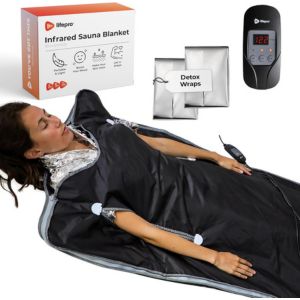
4. Sauna Practice: Heat Therapy for Deep Body-Based Stress Relief

While many think of saunas as luxury treatments, research reveals they’re powerful stress-relief tools. A 2021 study shows that sauna sessions decrease cortisol levels in men, with regular use stabilizing your body’s stress response system.

Why it works: Sauna heat activates a controlled stress response similar to moderate exercise. This triggers heat shock proteins that help your body adapt to stress more effectively. Afterward, your parasympathetic nervous system becomes more active, leading to sustained relaxation.

Getting started:

  • Begin with 10–15 minute sessions at lower temperatures
  • Stay hydrated before, during, and after
  • Try traditional Finnish, infrared, or steam options
  • Aim for 2–3 sessions weekly for optimal benefits

Check out Cedar and Stone for excellent sauna guidance and quality experiences.

5. Forest Bathing: Nature’s Stress Medicine

The Japanese practice of “shinrin-yoku” involves mindfully immersing yourself in nature. Multiple studies show that forest bathing significantly reduces cortisol levels, with Harvard Medical School reporting that just 15 minutes in a forest setting can lower stress hormones and blood pressure.

Why it works: Trees release chemicals called phytoncides that have stress-reducing properties when we breathe them in. Natural environments also help restore attention and promote feelings of awe—powerful stress antidotes.

How to practice:

  • Find any natural space (forest, park, tree-lined street)
  • Turn off your phone
  • Move slowly and mindfully
  • Engage all senses—listen, feel, notice
  • Aim for at least 20 minutes for measurable benefits
Forest bathing for stress relief.

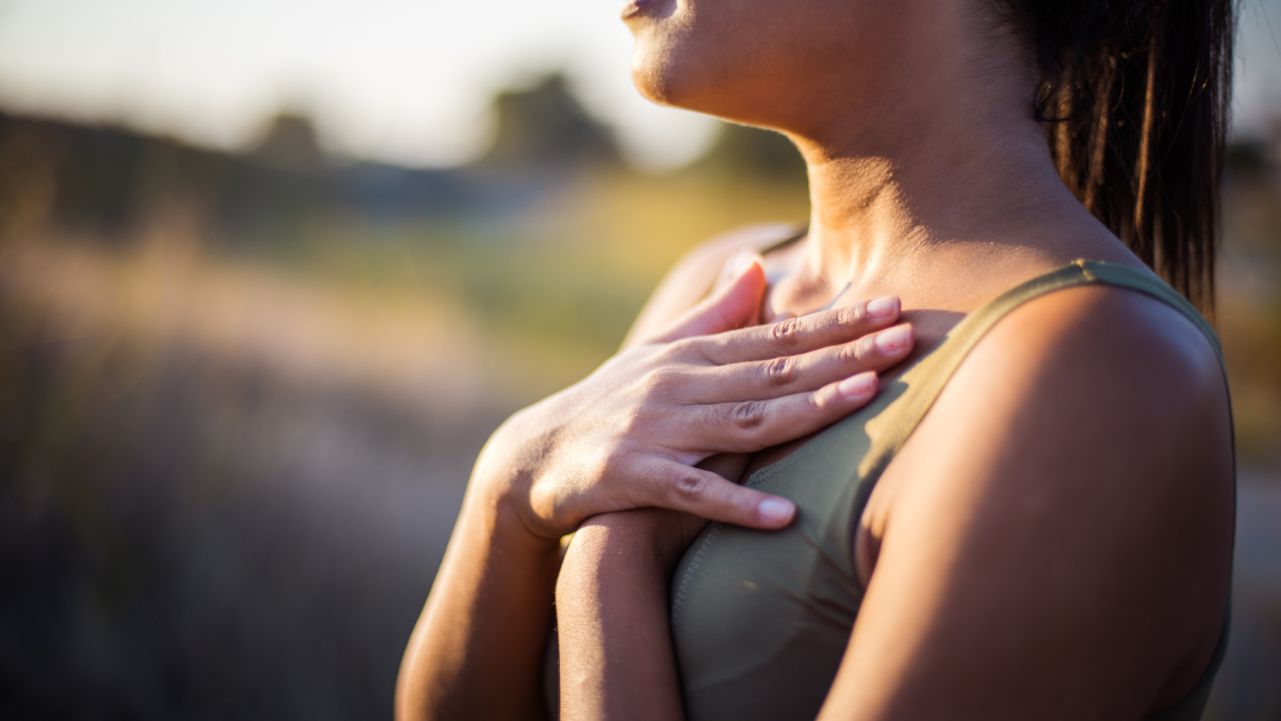
(Bonus! Number 6) Self-Compassionate Self-Soothing Touch: The Healing Power of Gentle Connection

Dr. Kristin Neff‘s research shows that gentle, caring touch activates the body’s care-giving system, releasing oxytocin and calming the nervous system.

The Hand-on-Heart Practice:

  • Take 2–3 deep, satisfying breaths
  • Gently place a hand over your heart, feeling the pressure and warmth
  • Feel your chest naturally rising and falling
  • Linger with this feeling as long as you like

Other soothing options: One hand on cheek, cradling face in hands, gently stroking arms, crossing arms for a gentle squeeze, or cupping hands in your lap. Explore what feels most comforting for you.

Creating Your Personal Stress-Relief Toolkit

These body-based stress-relief tools can be mixed, matched, and adapted to your lifestyle. Maybe you start with journaling, take breathing breaks during work, use self-compassionate touch during difficult moments, enjoy weekly sauna sessions, and spend time in nature. Or keep it simple with just one or two practices that resonate with you.

Building sustainable habits:

  • Start small (5 minutes beats no minutes)
  • Link new practices to existing habits
  • Be curious rather than critical about what works
  • Remember, consistency matters more than perfection

At Gradual Shifts, I work with clients to identify which stress-relief practices feel most natural and sustainable for their unique lives.

Frequently Asked Questions About Stress Relief Tools

How long to see results from these practices?

Deep breathing works within minutes, while journaling and sauna use typically show benefits over 2–4 weeks of consistency. Forest bathing can reduce cortisol within 15–20 minutes.

Which technique should I start with if I’m overwhelmed?

Begin with deep breathing—it’s free, accessible anywhere, and works immediately. The box breathing technique is particularly effective for acute stress.

Do I need special equipment or expensive memberships?

Not at all! Most practices require nothing or very little. Saunas can be found at gyms, community centers, or wellness facilities.

How often should I practice these stress-relief tools?

Aim for some form of daily stress relief, even if just 5 minutes of breathing. Specific recommendations: journaling (daily), movement (4–5x/week), sauna (2–3x/week), nature time (weekly or more).

What if I don’t live near forests?

Urban parks, tree-lined streets, or even sitting under a single tree provide benefits. The key is mindful engagement with whatever natural elements are available.

Can these stress-relief tools replace therapy or medication?

These are complementary practices that support mental health but shouldn’t replace professional treatment for clinical conditions. Always consult healthcare providers about your mental health needs.

What if I feel awkward doing some of these?

Completely normal! Start small and give yourself permission to feel awkward—it’s part of learning. Begin with 10 seconds of hand-on-heart or a few minutes under a tree.

Any safety concerns with saunas?

Stay hydrated, limit initial sessions to 10–15 minutes, and exit if feeling unwell. Those who are pregnant or have cardiovascular conditions should consult their healthcare provider first.

Stress relief tools yoga.

Stress Relief Must-Haves (Amazon Favorites)

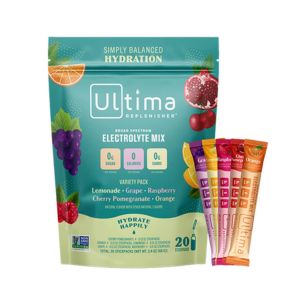
Looking to support your stress relief routine with a few helpful tools? From cozy essentials to calming aids, these products can make your body-based practices even more effective and enjoyable. Here are a few of our favorite stress relief essentials to try.

Your Body’s Wisdom is Already There

The profound truth I’ve learned is that your body already knows how to heal and restore itself. These practices simply create conditions for your natural wisdom to emerge.

When feeling overwhelmed, remember that relief doesn’t require complex solutions. Sometimes it’s as simple as taking three deep breaths, writing down what’s on your mind, or stepping outside to notice how light hits the trees.

Your nervous system is remarkably adaptable. Each time you choose a body-based practice over scrolling your phone or pushing through stress, you’re literally rewiring your brain for resilience.

Ready to explore which stress-relief practices feel most supportive for your unique needs? I’d love to support you in developing your personal toolkit for managing stress and building resilience.

Schedule a complimentary consultation to explore how body-based practices can fit into your real life.

About the Author

Cally Reed is a National Board Certified Health Coach (NBC-HWC) specializing in helping busy professionals create sustainable wellbeing practices. Through her practice, Gradual Shifts, she helps clients reconnect with their body’s wisdom to prevent burnout and build resilience that lasts.

Free 2-Week Pilates X Strength Challenge

Transform your body and mindset in 2 weeks with full body Pilates X strength exercises, leaving you stronger, leaner, and more confident. Download your Free Pilates Workout Calendar PDF to get started today!

2-Week Pilates X Strength Challenge Free YouTube Workout Program Dumbbells Ankle Weights - Pilatesbody by Kayla

Free 2-Week Pilates X Strength Challenge

Transform your body and mindset in 2 weeks with full body Pilates X strength exercises, leaving you stronger, leaner, and more confident. Download your Free Pilates Workout Calendar PDF to get started today!

Leave a Reply

pilatesbody-by-kayla-brugger-pilates-instructor-private-studio-workout-programs-online-classes-long-lake-minnesota-minneapolis

Hi, I'm Kayla Brugger. Certified Pilates Instructor & Minnesota Mama of 2.

More About Me

Pilates Programs

YouTube Workouts