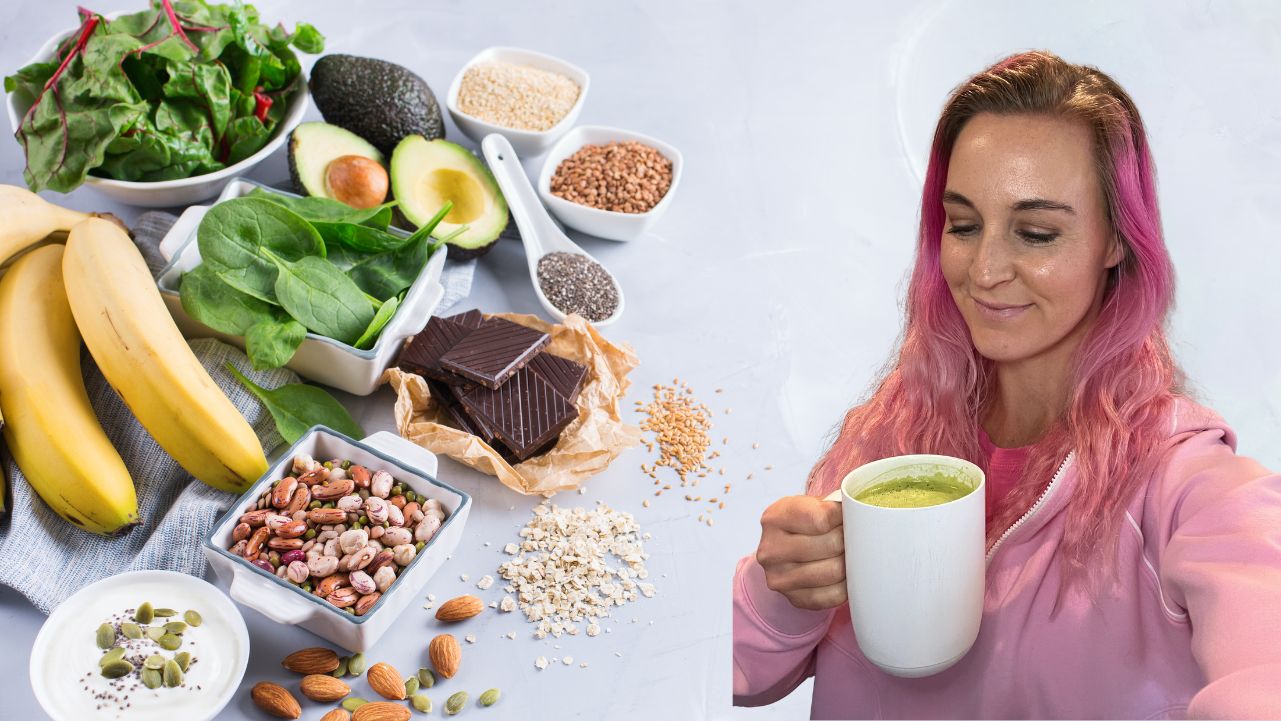
Struggling with fatigue no matter how much coffee you drink? Functional nutrition offers a smarter approach by fueling your body with the nutrients it needs for lasting energy. In this post, I’ll explain what functional nutrition is, share the best foods and supplements for energy, and give you lifestyle hacks that actually work. If you’re ready to beat the afternoon slump naturally, this guide is for you.

Functional Nutrition for Energy Foods, Supplements & Lifestyle Hacks to Beat Fatigue Naturally cover.

Functional Nutrition for Energy: The Best Foods, Supplements & Lifestyle Hacks to Beat Fatigue Naturally

Do you ever feel like no matter how much coffee you drink, you’re still running on empty? You’re not alone. Fatigue has become the “new normal” for so many of us, but relying on caffeine and sugar only patches the problem—it doesn’t fix it.

That’s where functional nutrition comes in. Instead of obsessing over calories or chasing the latest diet trend, functional nutrition looks at how food, nutrients, and lifestyle choices fuel your body systems—especially energy, hormones, and metabolism. By giving your body what it actually needs, you create steady energy that lasts (without the crash).

In this blog, we’ll cover what functional nutrition is, why it matters for your energy, the key nutrients and foods that make the biggest difference, and the supplements and lifestyle hacks I personally use to stay energized. Whether you’re curious about working with a functional nutrition coach or just want simple ideas you can start today, this guide will help you beat fatigue naturally and feel like yourself again.

This post includes affiliate links. I do earn a commission for products purchased using these links (at no additional cost to you). Thank you for supporting PILATESBODY by Kayla, making the content you see on this blog possible.

What Is Functional Nutrition? (and Why It Matters for Energy)

Functional nutrition is a holistic approach to eating that focuses on the root causes of health (and fatigue), not just the symptoms. Instead of counting calories or avoiding carbs, it asks: How is this food supporting my cells, hormones, and energy systems?

For example, traditional “dieting” might prioritize eating less bread to reduce calories. Functional nutrition would look at whether you’re getting enough B vitamins from whole grains, which are essential for energy metabolism.

This approach matters because fatigue often stems from nutrient deficiencies, blood sugar swings, or chronic stress on the body. For example, the Cleveland Clinic notes that eating too many foods with poor dietary quality, such as refined carbs, can cause a spike in blood sugar followed by a crash, leaving you even more drained later in the day. By focusing on nutrient-dense whole foods, functional nutrition gives your body the steady fuel it needs to keep energy levels stable.

A woman in shorts and a tank top with her arms outstretched representing how functional nutrition helps beat fatigue naturally.

Key Nutrients in Functional Nutrition That Support Lasting Energy

Certain nutrients play a starring role in helping you feel awake, focused, and strong throughout the day. Having noticed in myself that a small shift in one of these often makes a huge difference, here’s what the science shows:

B Vitamins

These are essential for turning the food you eat into usable energy. According to the National Institutes of Health, without enough B vitamins—especially B12 and folate—your red blood cells may not form correctly, which means less oxygen gets delivered to your tissues, and fatigue climbs. Also, low B12 is associated with neurological symptoms and weakness.

Magnesium

Magnesium is involved in hundreds of biochemical reactions in the body: nerve conduction, muscle contraction, converting food into ATP (your cellular energy currency), and regulating blood sugar. An article posted by the Cleveland Clinic asserts that when magnesium levels are low, early signs can include fatigue, weakness, irritability, muscle cramps.

I know on days when my diet has been light on greens or nuts/seeds, I feel more mentally foggy or physically weak; adding in magnesium-rich foods (or occasionally a glycinate supplement) helps restore that spark.

Iron

Iron is crucial for making hemoglobin, the protein in red blood cells that carries oxygen throughout your body. Without enough iron, oxygen delivery to your muscles and brain is compromised, leading to classic fatigue, shortness of breath, pale skin, and poor exercise tolerance. Women in particular are at higher risk for low iron, especially during menstruation or pregnancy, which can cause persistent fatigue if not addressed. According to Harvard Health and the Harvard T.H. Chan School of Public Health’s Nutrition Source, maintaining healthy iron levels is essential for sustained energy and overall wellness.

Adaptogens & Medicinal Mushrooms

These are herbs/fungi that help your body adapt to stress, support stamina, reduce fatigue, and may even help with cognitive focus. Examples include ashwagandha and rhodiola (plants), and mushrooms like cordyceps (for endurance) and lion’s mane (for cognition and focus).

If you want to dive deeper, check out my post The Best Mushroom Beverages for Energy, Focus, and Stress Relief. It has a lot more information on the benefits of mushrooms as well as product recommendations you can try.

Healthy Fats & Protein

Eating enough protein and healthy fats is key to keeping your blood sugar steady throughout the day. Protein supports your muscles, helps you feel full longer, and slows digestion. Healthy fats allow your body to absorb fat-soluble vitamins, provide sustained energy, and can help stabilize mood and inflammation. According to the Joslin Diabetes Center, combining protein, fats, and carbs together helps prevent the rapid blood sugar spikes and crashes that often leave you feeling sluggish.

Personally, I feel most energetic when breakfast includes protein + fat (for example eggs + avocado) rather than just cereal or toast. That combo helps me avoid the midmorning crash.
A woman in a Pilates studio holding a fork and a bowl of salad representing functional nutrition.

Everyday Foods That Fit a Functional Nutrition Approach

Functional nutrition doesn’t mean strict or complicated meal plans—it’s about building meals around simple, energizing foods that give your body what it needs to thrive. Here are some of the best options you can easily add to your routine:

Leafy Greens

Think spinach, kale, arugula, and Swiss chard. These greens are packed with magnesium and iron, which support oxygen transport and reduce fatigue. They’re also loaded with antioxidants that fight inflammation.

Whole Grains

Quinoa, oats, brown rice, and farro deliver complex carbs and B vitamins for steady, long-lasting energy (not the spike-and-crash of refined carbs). They’re also rich in fiber, which supports digestion.

Nuts & Seeds

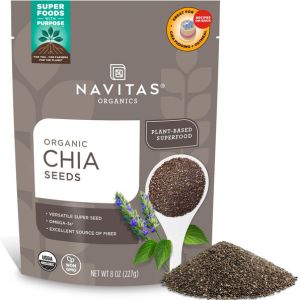
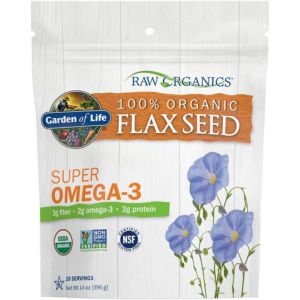
Almonds, chia seeds, flax, and pumpkin seeds provide a nutrient trifecta: protein, healthy fats, and minerals like magnesium and zinc. A handful makes the perfect on-the-go snack to keep blood sugar stable.

Beets

Known for boosting blood flow and stamina thanks to natural nitrates. Fresh roasted beets are great, but beet powder stirred into a smoothie is an easy functional nutrition hack before workouts.

Matcha & Green Tea

These provide gentle caffeine with antioxidants (especially EGCG), giving you a smooth energy lift without the jitters or crash of coffee. Matcha also contains L-theanine, which helps with focus and calm alertness.

Protein-Rich Foods

Eggs, lean meats, fish, tofu, beans, and lentils deliver high-quality protein to stabilize blood sugar and support muscle repair. Balanced protein intake is key for all-day energy and satiety.

Easy swaps to try:

  • Swap your second cup of coffee for matcha to avoid the afternoon slump.
  • Toss beet powder or chia seeds into your smoothie for an energy boost.
  • Pair leafy greens with eggs or salmon for a nutrient-dense lunch that keeps you full and focused.
A woman in a white sleeveless shirt with her head back and arms outstretched representing energy and wellness as a result of functional nutrition.

Lifestyle Habits That Enhance Functional Nutrition Benefits

Food is powerful, but it’s only part of the puzzle. The way you live day-to-day can either drain your energy or amplify it—and when you pair good nutrition with supportive habits, that’s where the magic really happens.

Stress Management

This one is huge for me. When stress is high, so is cortisol, and that constant “fight or flight” mode leaves you wired but drained. A little Pilates, yoga, or even just a few minutes of deep breathing can bring everything back into balance. If you’re a mom juggling a million things, I wrote a blog on Stress Management for Overwhelmed Moms with practical tips you can try right away.

Sleep Hygiene

No supplement or superfood can make up for lack of sleep. I aim for 7–9 hours whenever possible, because no matter how well I eat, if I don’t sleep, I feel sluggish the next day. If better rest is something you’re working on too, my blog on Effective Natural Remedies for Deep Sleep shares simple, science-backed ways to fall asleep faster and wake up feeling truly refreshed.

Hydration

Dehydration can disguise itself as fatigue. Simply keeping a water bottle nearby makes a surprising difference in my energy and focus.

Movement

This doesn’t have to mean hitting the gym every day. A walk outside, a bit of strength training, or a quick Pilates session can get your blood flowing, deliver oxygen to your cells, and give you that energized lift. And honestly—sometimes the easiest way to get excited about walking is with a fresh pair of shoes. I rounded up my favorites so you can find the perfect pair for your routine: Best Walking Shoes on Amazon for Concrete, Trails, and Treadmills.

If you’re looking for something structured to follow, my free 2-Week Pilates X Strength Challenge is the perfect way to build strength, increase energy, and stay consistent without spending hours working out.

When you combine these habits with functional nutrition, you create sustainable energy—something no coffee, energy drink, or quick fix can match.

FAQs About Functional Nutrition and Energy

What is functional nutrition in simple terms?

Think of functional nutrition as eating with purpose. Instead of obsessing over calories or the number on the scale, it’s about giving your body the right fuel to support systems like energy, hormones, digestion, and immunity. For me, this shift was eye-opening—I stopped asking “how many calories is this?” and started asking “how is this food helping me feel my best?” That’s when my energy really started to change.

How does functional nutrition improve energy?

Your cells need specific nutrients to turn food into fuel. When you’re missing key ones—like B vitamins, magnesium, or iron—you feel it in the form of brain fog, fatigue, or energy crashes. By eating nutrient-dense foods and balancing things like blood sugar, functional nutrition keeps your energy steady instead of spiking and crashing. I’ve noticed a huge difference on the days I start with protein + healthy fats versus just grabbing a piece of toast or coffee. It sets me up with steady energy instead of the dreaded 2 PM slump.

What foods give the best natural energy boost?

Some of my go-to’s are leafy greens, whole grains for steady carbs, nuts and seeds for healthy fats, and protein-rich foods like eggs or lean meat. Beets and matcha are also amazing natural boosters. Beet powder in a smoothie before a workout gives me stamina, and matcha has become my favorite mid-morning swap for coffee because it gives me calm, focused energy without the jitters.

Can supplements be part of functional nutrition?

Absolutely. Supplements aren’t meant to replace food, but they can fill in the gaps when life gets busy or your diet isn’t perfect (and let’s be real—it rarely is). I personally take a B-complex to support energy metabolism, magnesium glycinate at night for recovery and sleep, and I love experimenting with adaptogens like ashwagandha or mushroom blends when I’m under more stress. The key is to think of supplements as support, not a shortcut.

Is functional nutrition different from a regular diet?

Yes—most diets are all about restriction: fewer calories, fewer carbs, less of this or that. Functional nutrition flips that thinking on its head by asking: What can I add to better support my body’s systems? It’s less about shrinking your body and more about nourishing it so you feel energized, focused, and resilient. For me, that shift was huge—I stopped obsessing over what I couldn’t have and started focusing on what made me feel good and gave me lasting energy.

A matcha latte in a glass on a small tray.

Best Products to Support Functional Nutrition for Energy

Functional Nutrition Supplements, Drinks, and Tools – My Top Picks

Making functional nutrition work in real life often comes down to having a few go-to products you can rely on. From energizing superfood powders to supportive supplements and simple lifestyle tools, these are my go-to favorites that help me stay consistent and energized every day. Each one is easy to use and fits seamlessly into a busy lifestyle.

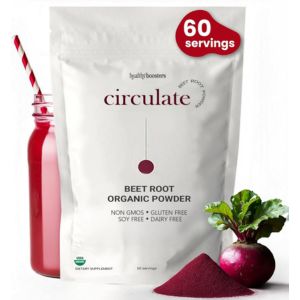
  1. Organic Beet Root Powder
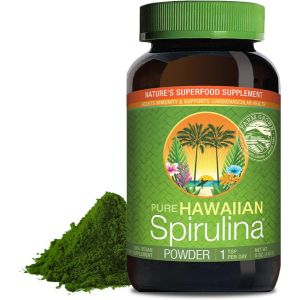
  2. Spirulina Powder
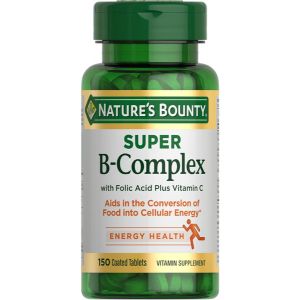
  3. B-Complex
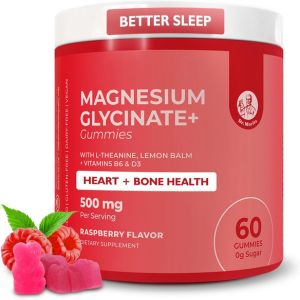
  4. Magnesium Glycinate
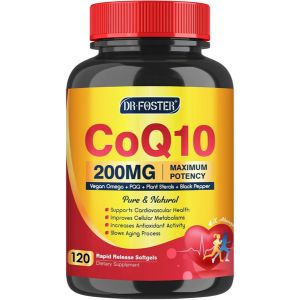
  5. CoQ10
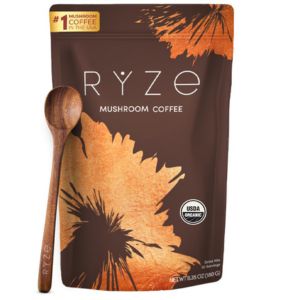
  6. Ryze Mushroom Coffee
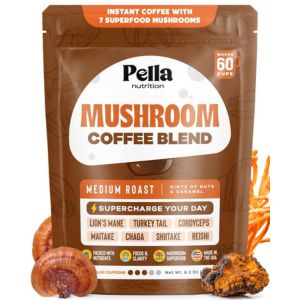
  7. Pella Mushroom Coffee Blend
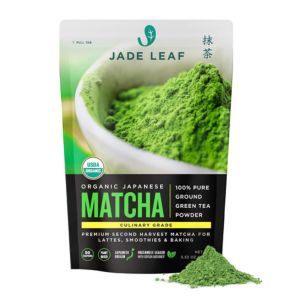
  8. Matcha Powder

Functional Nutrition: Superfood Powders

Why I love them: I’m not always going to roast fresh beets or blend a complicated smoothie, but a scoop of beet powder or mushroom mix makes it ridiculously easy to boost energy and nutrients in seconds.

Boost stamina and blood flow the functional nutrition way with organic beet root powder. Perfect for smoothies or pre-workout drinks, it’s a quick hack for lasting energy without the crash.

Packed with plant-based protein, iron, and antioxidants, spirulina is a functional nutrition powerhouse. Add it to smoothies for a natural energy lift and immune support.

Functional Nutrition: Vitamins and Supplements

Why I love them: Even with a solid diet, it’s hard to hit all the marks every single day. I’ve noticed a real difference in my energy and muscle recovery when I stay consistent with these, especially magnesium before bed.

B vitamins are essential for turning food into fuel. This B-complex supports cellular energy production and is a key supplement in any functional nutrition routine.

Known for its calming and restorative benefits, magnesium glycinate supports muscle recovery, sleep, and steady energy—making it a functional nutrition must-have.

CoQ10 helps your cells produce energy at the mitochondrial level. If fatigue is a struggle, this functional nutrition supplement can support stamina and overall vitality.

Functional Nutrition: Functional Drinks

Why I love them: Coffee used to leave me jittery and crashing by 2 PM. Switching to matcha or mushroom coffee gives me a smoother, more focused energy lift—plus, they taste so good when I want something warm and comforting. If you’re new to matcha and want some fun ways to enjoy it beyond just lattes, check out my blog on Easy Matcha Powder Recipes for simple, delicious ideas you can whip up at home.

Mushroom-powered coffee that helps boost energy, improve mental clarity, and support digestion. All-day energy and focus, without the jitters or crash.

Use promo code KAYLARYZE for 15% off your order!

Swap your regular coffee for a mushroom coffee blend to support focus, stamina, and stress resilience. A delicious way to bring functional nutrition into your morning ritual.

Rich in antioxidants and L-theanine, matcha provides calm, focused energy without the jitters. A perfect addition to your functional nutrition toolkit.

Functional Nutrition: Lifestyle Tools and More

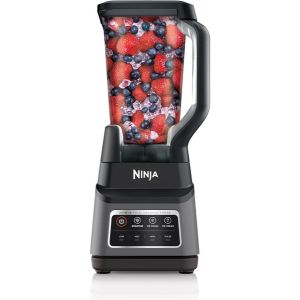
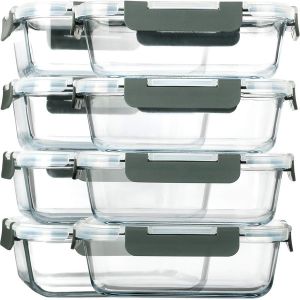
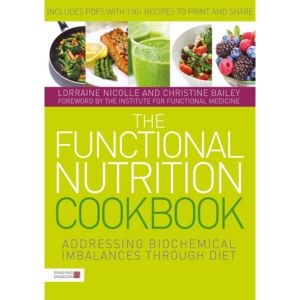
Why I love them: Having the right tools makes it easier to follow through. My blender is basically my lifeline for quick, nutrient-packed smoothies, and glass containers keep my meal prep fresh (and looking way more appealing than plastic). And when I’m feeling unmotivated, flipping through a beautiful cookbook gives me new ideas and keeps me consistent.

Ninja Blender

Ninja blender.

Meal Prep Containers

Glass storage containers for meal prep.

Functional Nutrition Cookbook

The Functional Nutrition Cookbook.

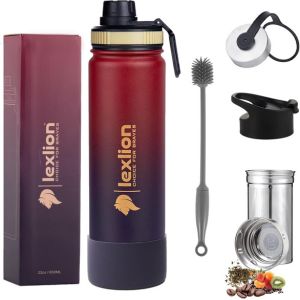
Water Bottle

Lexlion infuser water bottle.

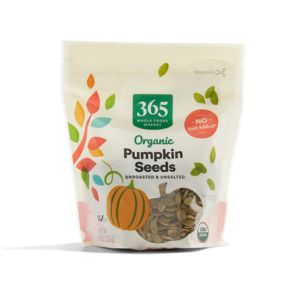
Pumpkin Seeds

365 Organic Pumpkin Seeds.

Final Thoughts on Functional Nutrition

At the end of the day, more energy isn’t about guzzling another latte. It’s really about fueling your body with intention. Functional nutrition gives your cells the raw materials they need to thrive, stabilizes blood sugar so you don’t crash, and builds the foundation for lasting energy.

The best part? You don’t have to overhaul your diet overnight. Start small—swap coffee for matcha a couple mornings a week, toss beet powder into your smoothie, or keep a stash of nuts and seeds in your bag. Pair these shifts with supportive supplements for energy and lifestyle habits like movement, hydration, and stress management, and you’ll start to feel the difference.

Remember: we’re not going for restriction, we’re going for nourishment and energy. Not only does functional nutrition help you manage fatigue, it also helps you build the strong, energized, resilient body you deserve.

For more ways to improve energy, focus, and performance, check out my blog on Biohacking for Women.

Your Friend & Pilates Expert,

signature-01

Kayla Brugger
Founder of PILATESBODY by Kayla
Founder of PILATESBODY On-Demand

Free 2-Week Pilates X Strength Challenge

Transform your body and mindset in 2 weeks with full body Pilates X strength exercises, leaving you stronger, leaner, and more confident. Download your Free Pilates Workout Calendar PDF to get started today!

2-Week Pilates X Strength Challenge Free YouTube Workout Program Dumbbells Ankle Weights - Pilatesbody by Kayla

Free 2-Week Pilates X Strength Challenge

Transform your body and mindset in 2 weeks with full body Pilates X strength exercises, leaving you stronger, leaner, and more confident. Download your Free Pilates Workout Calendar PDF to get started today!