Want to recover after a Pilates workout without feeling sore, stiff, or exhausted the next day? Discover simple recovery strategies, including hydration, protein, stretching, walking, and sleep tips to help your body feel stronger, energized, and ready for your next workout.

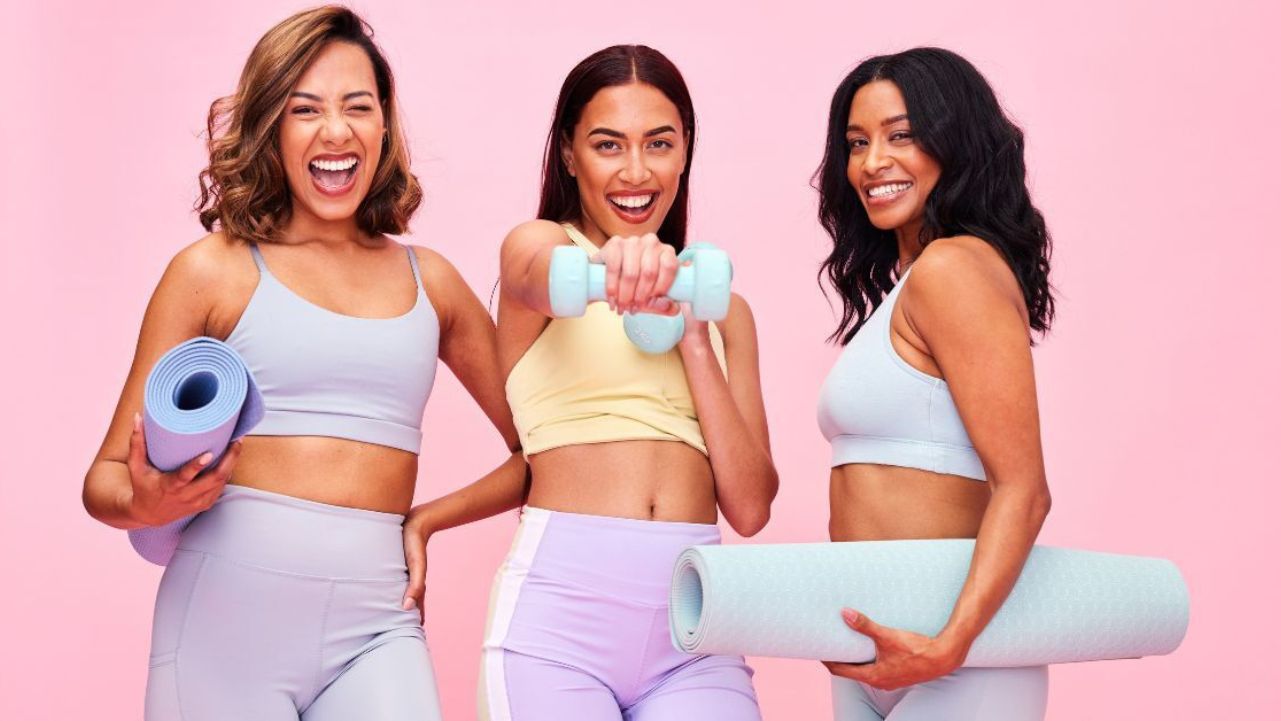
Three women in workout clothes holding yoga mats and dumbbells representing how to recover after a Pilates workout.

How To Help Your Body Recover After a Pilates Workout

We’ve all had those workouts where you finish feeling strong, energized, and proud of yourself… only to wake up the next morning wondering why it’s so hard to walk up the stairs.

If you’ve ever powered through a Pilates glute workout, held a shaky plank, or felt your legs trembling during a lower-body burn, you know exactly what I’m talking about. A little soreness is completely normal, especially when you’re building strength and lean muscle. But recovery matters just as much as the workout itself.

As a Pilates instructor for over 10 years, I’ve learned that the women who see the best results aren’t necessarily the ones doing the most workouts—they’re the ones who recover well enough to stay consistent. In this guide, I’ll share simple ways to help your body recover after a Pilates workout so you can reduce soreness, boost energy, and feel ready for your next session.

This post includes affiliate links. I do earn a commission for products purchased using these links (at no additional cost to you). Thank you for supporting PILATESBODY by Kayla, making the content you see on this blog possible.

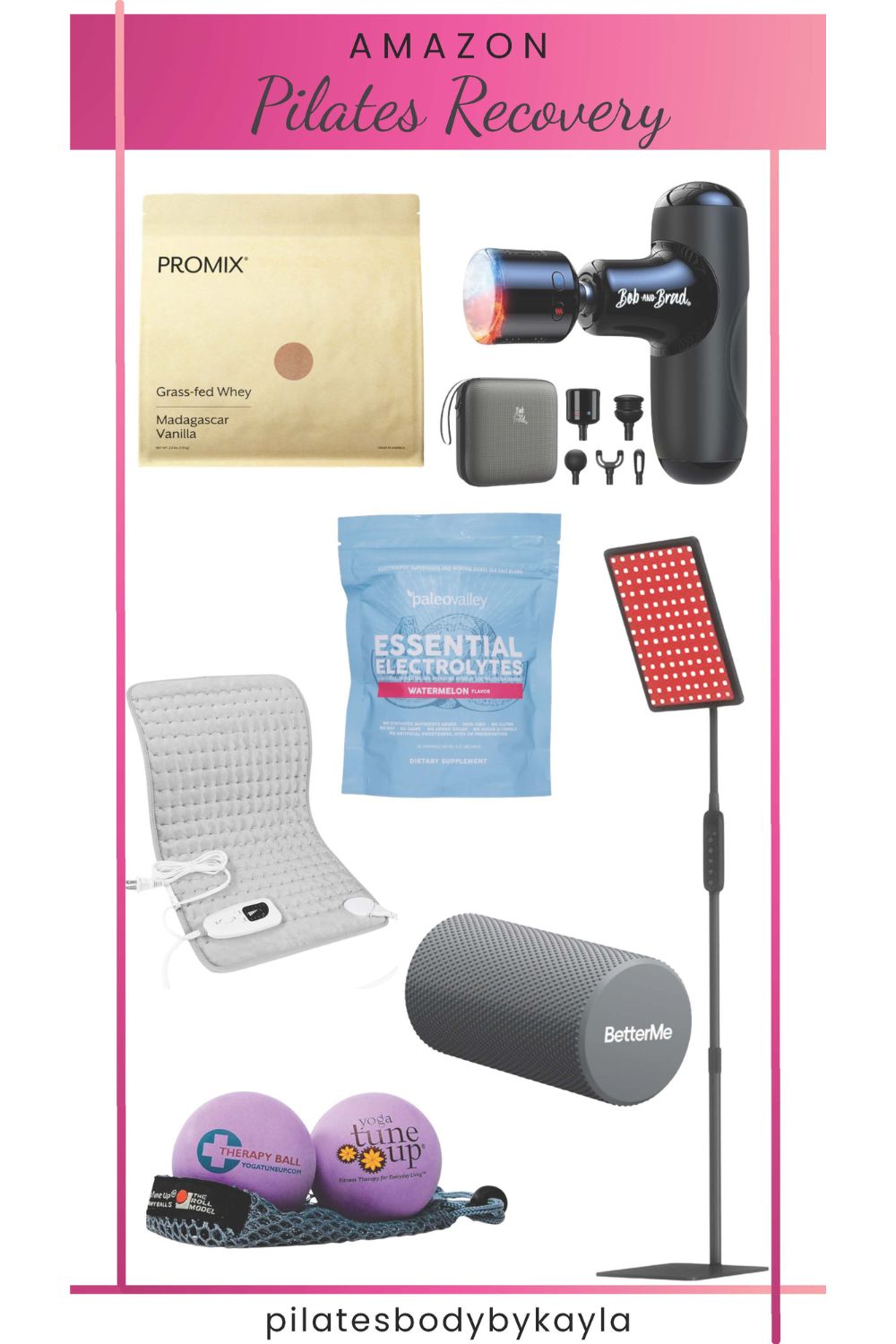
Amazon tools to help you recover after a Pilates workout.

Stay Hydrated

Hydration is one of the easiest ways to support recovery after a Pilates workout. While Pilates may not leave you dripping in sweat, your muscles are still working hard through controlled movements, deep core engagement, and strength-building exercises. Water helps support circulation, joint health, and normal muscle function during and after exercise.

One common mistake is waiting until after your workout to drink water. Instead, focus on staying hydrated throughout the day so your body is ready before you even step onto the mat. After your workout, continue sipping water to help replace lost fluids and support recovery.

If you often experience headaches, muscle cramps, or low energy after exercise, electrolytes may help. I share more of my favorite hydration tips and products in Post-Workout Hydration: The Best Electrolyte Supplements for Faster Recovery.

Add Minerals for Better Hydration

Electrolytes like sodium, potassium, and magnesium help your body maintain fluid balance and support healthy muscle function. Research published in the journal Nutrients found that electrolytes play an important role in hydration status, exercise performance, and post-exercise recovery, particularly following physical activity that results in fluid loss.

After a challenging Pilates workout, pairing water with an electrolyte drink or nutrient-rich snack can help replenish these important minerals and leave you feeling refreshed, energized, and ready for your next workout.

Refuel With Protein

If your goal is to build lean muscle, get stronger, and achieve more definition from your Pilates workouts, protein is essential. Pilates creates small amounts of stress in your muscles, especially during slow, controlled movements, isometric holds, and high-repetition exercises. After your workout, protein provides the amino acids your body needs to repair and rebuild muscle tissue.

Research published in the Journal of the International Society of Sports Nutrition found that consuming protein after exercise supports muscle recovery and adaptation, helping your body become stronger over time.
Some of my favorite post-workout snacks include:

  • Greek yogurt topped with berries
  • Scrambled eggs with avocado toast
  • Turkey and cheese roll-ups with whole-grain crackers
  • Cottage cheese paired with fresh fruit

The last thing most busy moms want to do after a workout is spend time figuring out what to eat. That’s why I love these no-bake protein ball recipes. They’re easy to make ahead, packed with protein, and perfect for grabbing on busy mornings or after a Pilates workout.

You can also find more high-protein snack ideas in my blogs, the Best High Protein Snacks on Amazon (That Actually Taste Good) and Easy, Healthy Lunches for Work or Home to Keep You Energized.

Why Muscles Feel Sore

Feeling sore after Pilates is completely normal, especially if you’re challenging your muscles in a new way. Post-workout soreness occurs when exercise creates microscopic stress in muscle fibers. As your body repairs those fibers, they become stronger and more resilient. That soreness in your glutes, core, or inner thighs is often a sign that those smaller stabilizing muscles were working hard during your workout.

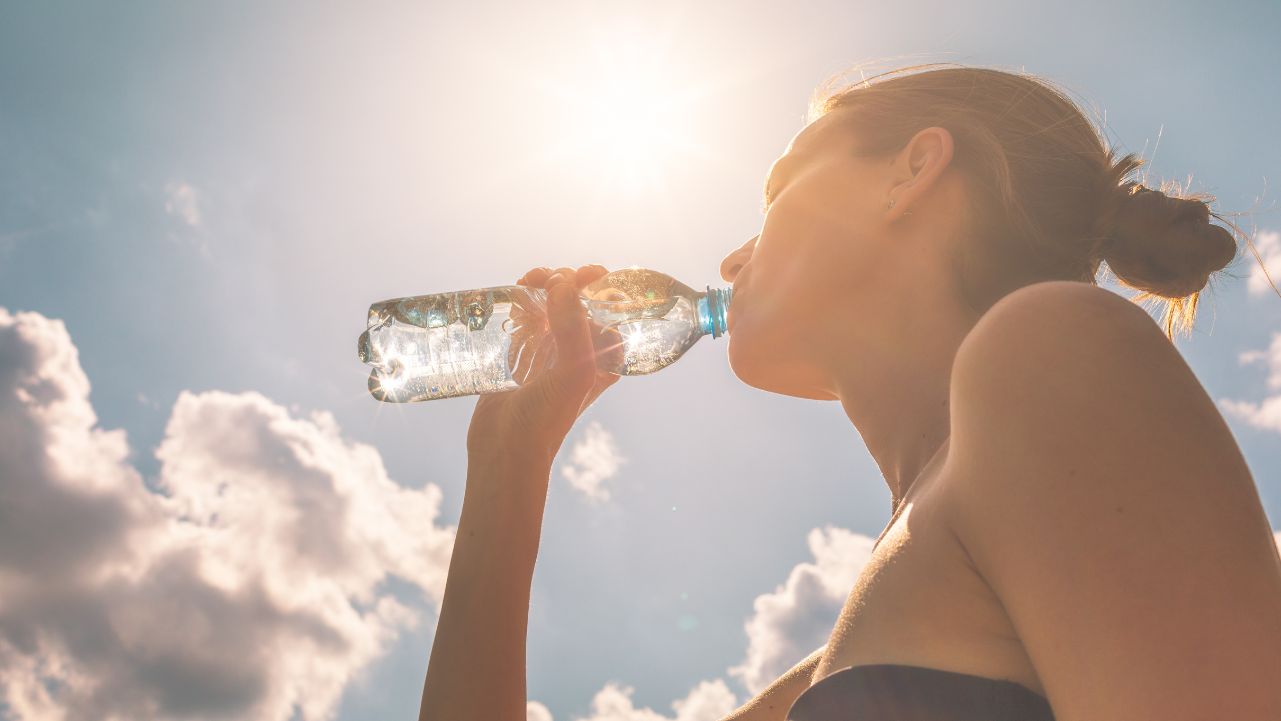
A woman recovering after a Pilates workout by hydrating with a bottle of water.

Stretch While Warm

A few minutes of gentle stretching after your workout can help ease muscle tension, improve flexibility, and help your body transition out of workout mode. Because your muscles are already warm from movement, stretching often feels more comfortable and effective immediately after a Pilates session. The key is to keep it gentle. Stretching should feel relieving, not painful.

Choose stretches that target the areas you worked the most. If your workout focused on glutes and legs, try a figure-four stretch or hamstring stretch. If you spent time in planks or upper-body exercises, open the chest and stretch the shoulders.

Need a quick recovery routine? Try my Wall Pilates Full Body Stretch | 10 Minutes YouTube workout. It’s a great way to release tight muscles, improve mobility, and help your body feel refreshed after Pilates or strength training.

Walk It Out

One of the best things you can do after a Pilates workout is simply keep moving. A short walk can help reduce that stiff, heavy feeling that sometimes shows up later in the day by encouraging blood flow to working muscles and helping your joints stay mobile.

The good news? It doesn’t need to be a power walk or a lengthy workout. A 10-minute stroll around the block, a walk with the stroller, or even a lap around Target counts. The goal is to give your body a little extra movement so you feel loose, energized, and ready for the rest of your day.

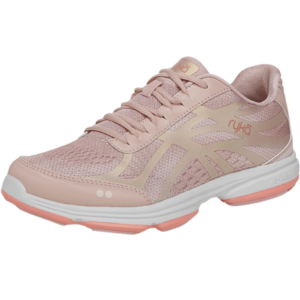
Walking is also one of my favorite low-impact ways to complement Pilates because it supports recovery without adding additional stress to your body. If you’re curious, check out my top picks for comfortable walking shoes to make taking walks more enjoyable.

Soothe Sore Muscles

A little muscle soreness is normal after Pilates, especially if you’re building strength, increasing resistance, or trying new exercises. While recovery tools aren’t magic fixes, they can help you feel more comfortable and ready for your next workout.

Foam Roller

A foam roller works well on larger muscle groups like your glutes, thighs, calves, and upper back. Move slowly and pause briefly on tight spots. If you’re looking for a simple recovery routine, check out my blog How to Foam Roll the Lower Body, where I share techniques for releasing tension in the glutes, hamstrings, and quads.

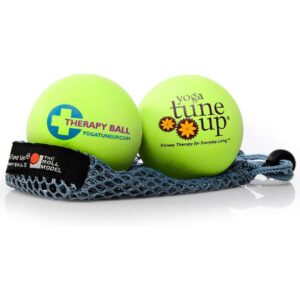
Massage Ball

For smaller, hard-to-reach areas, a massage ball can provide more targeted relief. Try placing it under your foot, glute, or upper back and applying gentle pressure while moving slowly.

Heating Pad

A heating pad can help relax tight muscles in areas like your back, shoulders, or hips. Keep the heat warm rather than overly hot, and avoid using it on swollen or irritated areas.

Warm Bath

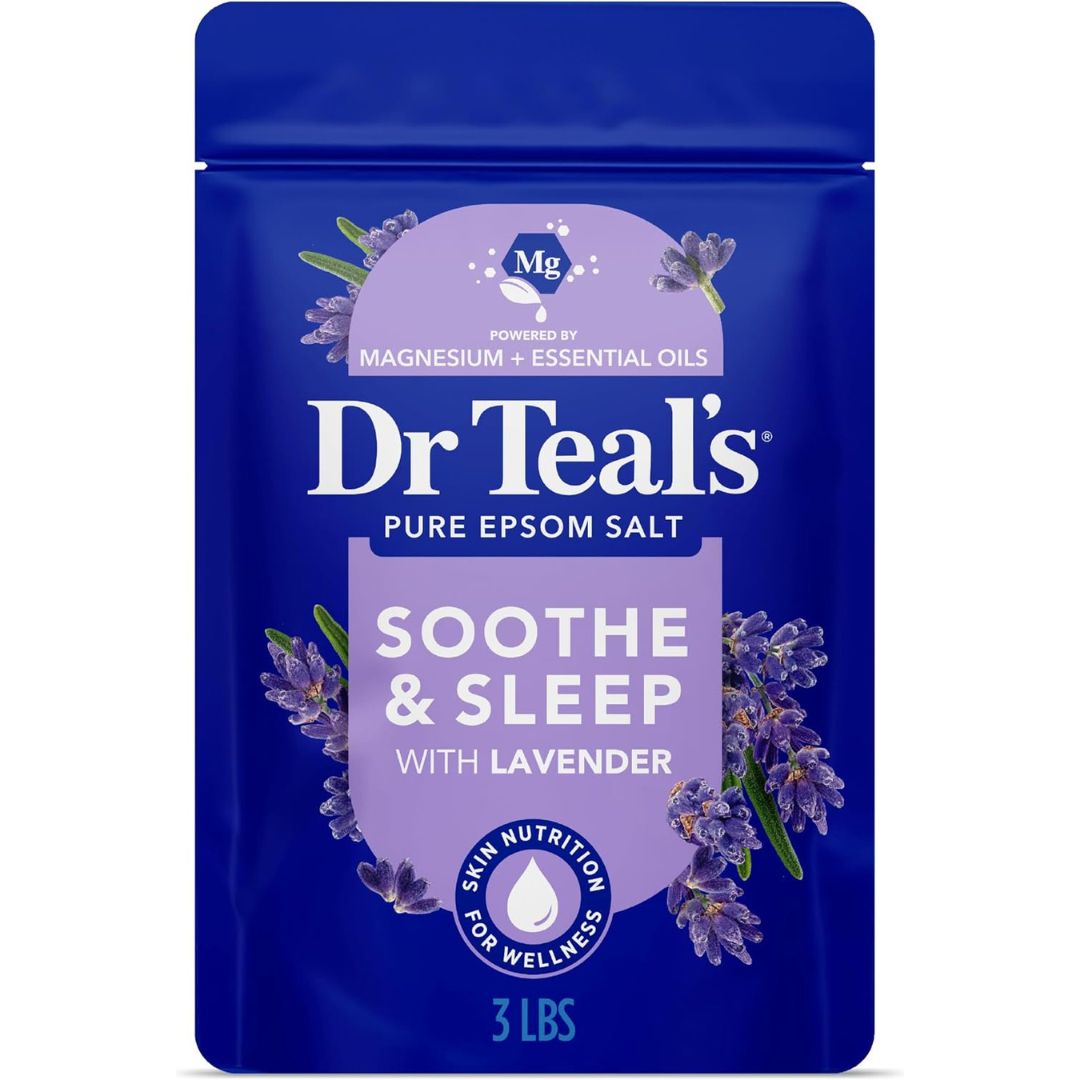
A warm bath is one of my favorite recovery tools after a challenging Pilates workout. The warmth can help ease muscle tension while encouraging your body and mind to relax. Adding Epsom salt is optional, but always follow up with plenty of water afterward.

Wellness Tools

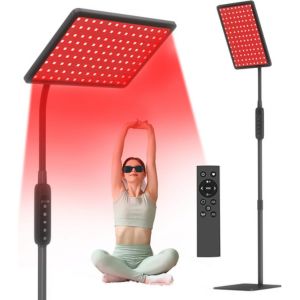
Some people also enjoy at-home wellness tools for additional recovery support. Red light therapy uses specific wavelengths of light on the skin, while PEMF (pulsed electromagnetic field) uses electromagnetic pulses. Many wellness enthusiasts choose to combine red light and PEMF as part of a relaxing post-workout routine focused on muscle comfort, recovery, and relaxation. If you’d like to learn more, check out my blog Red Light Therapy Benefits and Devices for Home Use: Safe, Effective, and Affordable Options.

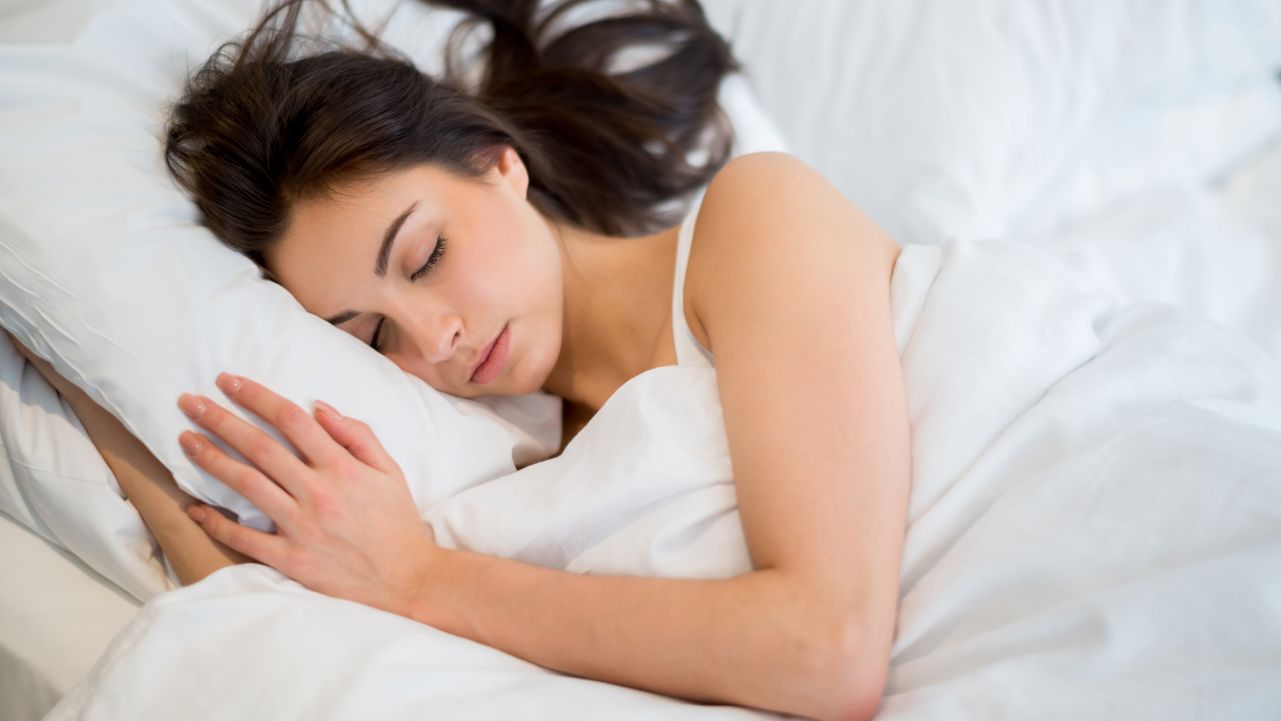
A woman sleeping after a Pilates wrokout.

Prioritize Quality Sleep

Sleep is one of the most powerful recovery tools available. While you’re sleeping, your body is hard at work repairing muscle tissue, supporting your nervous system, and preparing you for your next workout. Research shows that poor sleep can negatively impact recovery, exercise performance, and overall energy levels.

To improve the quality of your sleep, try:

  • Doing a short stretch before bed
  • Avoiding screens 30 minutes before bedtime
  • Keeping your bedroom cool and comfortable
  • Prepping breakfast or lunches ahead of time to create a less stressful morning

If falling asleep or staying asleep is a challenge, check out Effective Natural Remedies for Deep Sleep for additional tips and natural solutions that can help support a more restful night.

FAQ about Pilates Recovery

How long does it take to recover after a Pilates workout?

Recovery looks different for everyone, but most people feel ready for their next Pilates workout within 24 to 48 hours. Factors like workout intensity, sleep quality, hydration, nutrition, and overall fitness level can all affect how quickly your body recovers.

Is it normal to be sore after Pilates?

Yes! Mild muscle soreness is completely normal, especially if you’re new to Pilates, increasing resistance, or trying new exercises. Pilates often targets smaller stabilizing muscles that may not get much attention during everyday activities, which can lead to soreness as those muscles get stronger.

Can I do Pilates every day?

Many people can safely do Pilates most days of the week, especially if they vary the intensity and focus of their workouts. Listening to your body, prioritizing recovery, and incorporating rest or active recovery days can help prevent burnout and support long-term results.

Should I stretch before or after Pilates?

Both can be beneficial, but gentle stretching after Pilates is often more comfortable because your muscles are already warm. Post-workout stretching can help reduce feelings of tightness, improve flexibility, and support overall recovery.

What helps reduce soreness after Pilates?

The best recovery strategy is usually a combination of hydration, protein, light movement, stretching, and quality sleep. A short walk, foam rolling session, warm bath, or massage can also help you feel more comfortable while your muscles recover and rebuild.
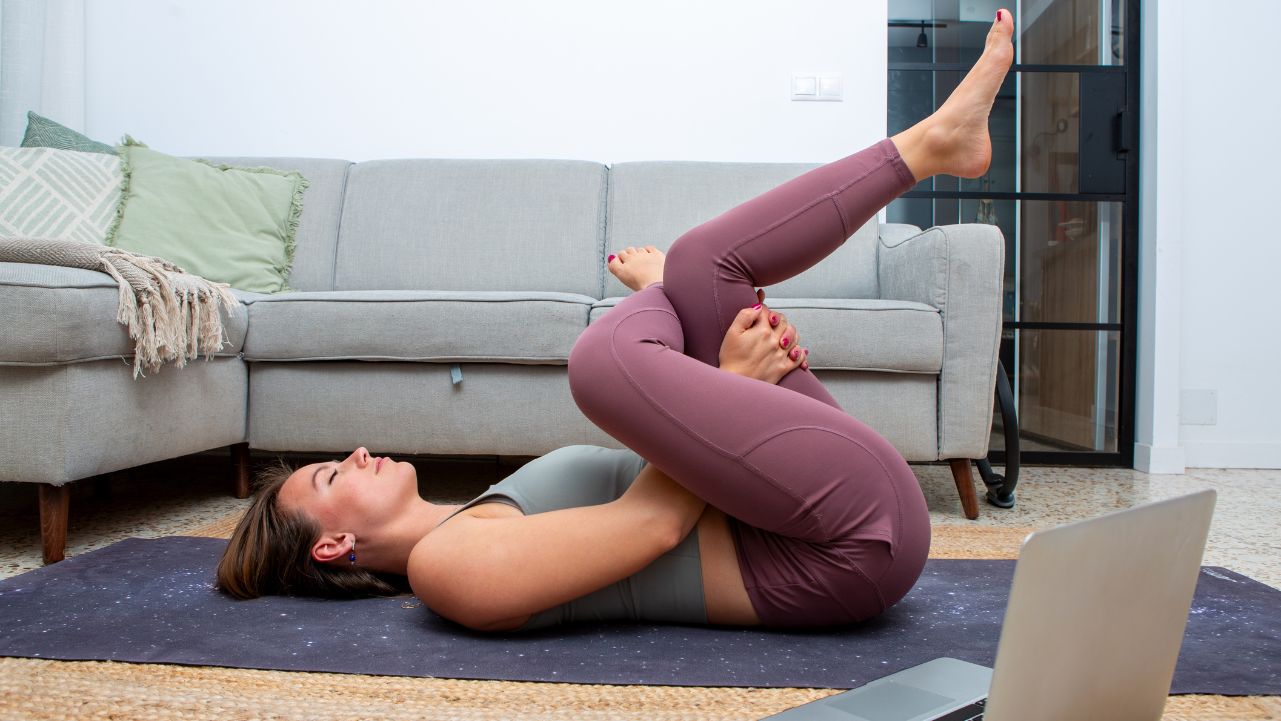
A woman recovering after a Pilates workout by stretching.

My Favorite Products for Faster Pilates Recovery

Post-Workout Recovery Must-Haves – My Top Picks

Recovery doesn’t have to be complicated. The right tools can help support hydration, muscle recovery, mobility, relaxation, and better sleep so you feel ready for your next workout. Below are some of my favorite recovery essentials that help me recover after a Pilates workout and stay consistent with my fitness routine.

  1. Recovery Foam Roller
  2. Massage Balls
  3. Heating Pad
  4. Red Light Therapy Lamp
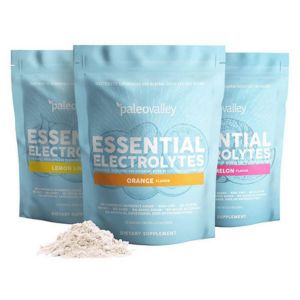
  5. Paleovalley Essential Electrolytes
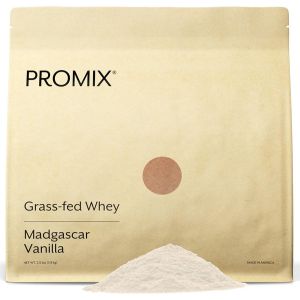
  6. Promix Whey Protein Powder
  7. Massage Gun

Relax and recharge with the BetterMe Recovery Foam Roller, your go-to portable equipment for deep tissue relief. This Pilates foam roller helps ease muscle tension, improve circulation, and speed up post-workout recovery.

The Yoga Tune Up Therapy Balls measure at about 2 1/2″ in diameter each and are made of a special rubber that grips at your skin, grabs at multiple layers of muscles, and rubs out adhesions and tension, providing a deep tissue massage. Includes mesh drawstring snug-grip tote.

Designed to relieve cramps, muscle soreness, and tension, this extra-large heating pad offers customizable heat levels and a moist heat setting for deeper relief. Perfect for soothing tight areas after a Pilates workout.

With 120 red (660nm) and 240 near-infrared (850nm) LEDs, this 3-in-1 panel delivers full coverage for both skin and muscle recovery after a Pilates workout. I especially love using it while doing restorative stretches—it feels like I’m doubling up on recovery.

Paleovalley Essential Electrolytes Powder is naturally flavored with real fruit and sweetened with monk fruit, for guilt-free hydration replenishment after a Pilates workout. No added sugars or synthetic ingredients. Buy one, get one free with my referral link!

This is my go-to when I want something simple and versatile. It has just the right amount of sweetness, and I love that it’s made with coconut sugar instead of stevia or sugar alcohols (which usually bother my stomach). I often mix it into my coffee for a quick protein boost in the morning or stir it into Greek yogurt for a protein-packed snack that tastes like vanilla pudding. Use promo code KAYLAB to save 10% on your order!

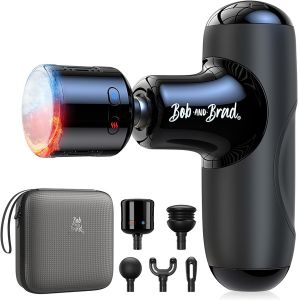
A massage gun helps reduce muscle soreness and improve circulation after a Pilates workout. It’s a great recovery tool to keep your muscles feeling loose and ready for your next Pilates or strength session.

Simple Products That Make Recovery Easier

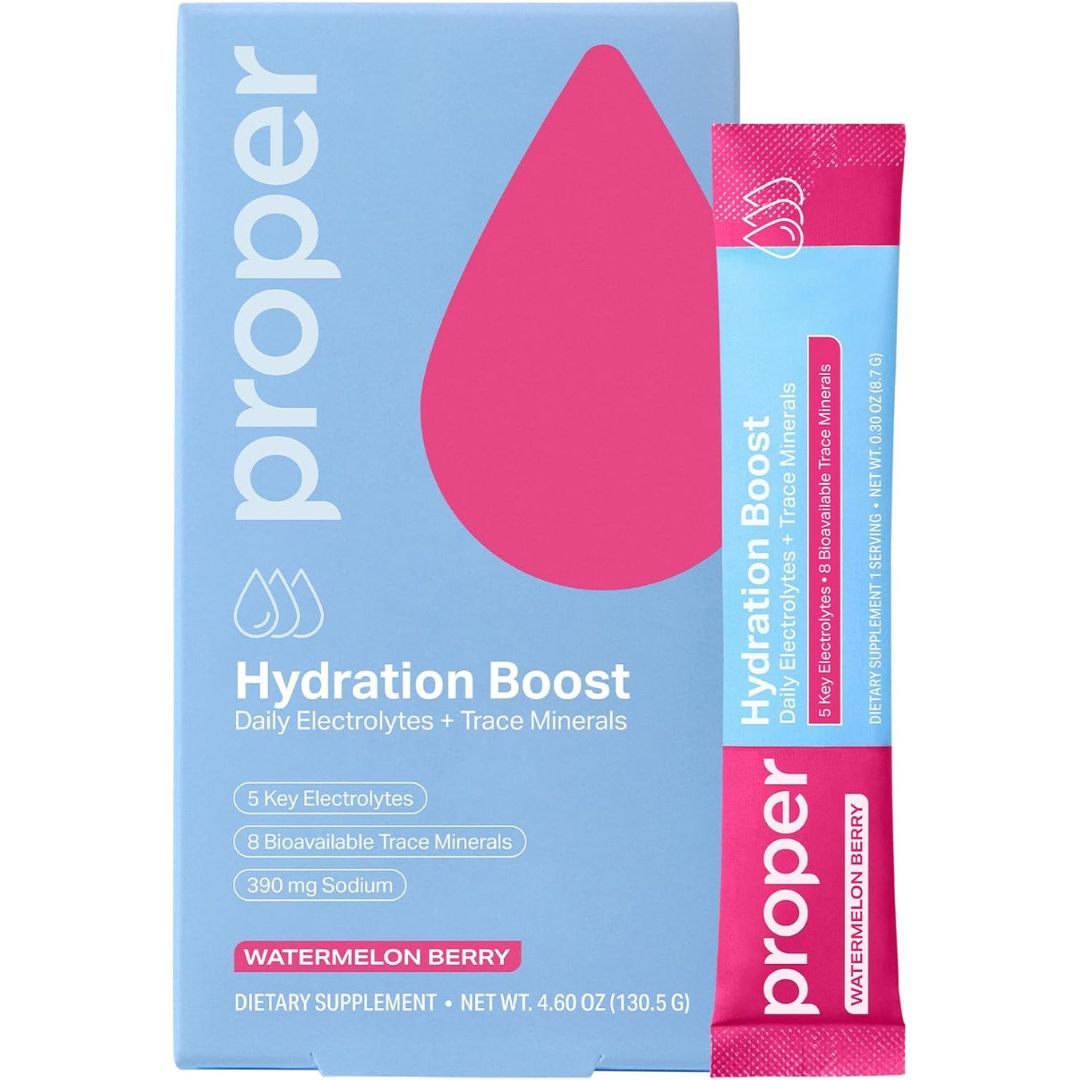
Proper Electrolytes Supplement.

Electrolytes

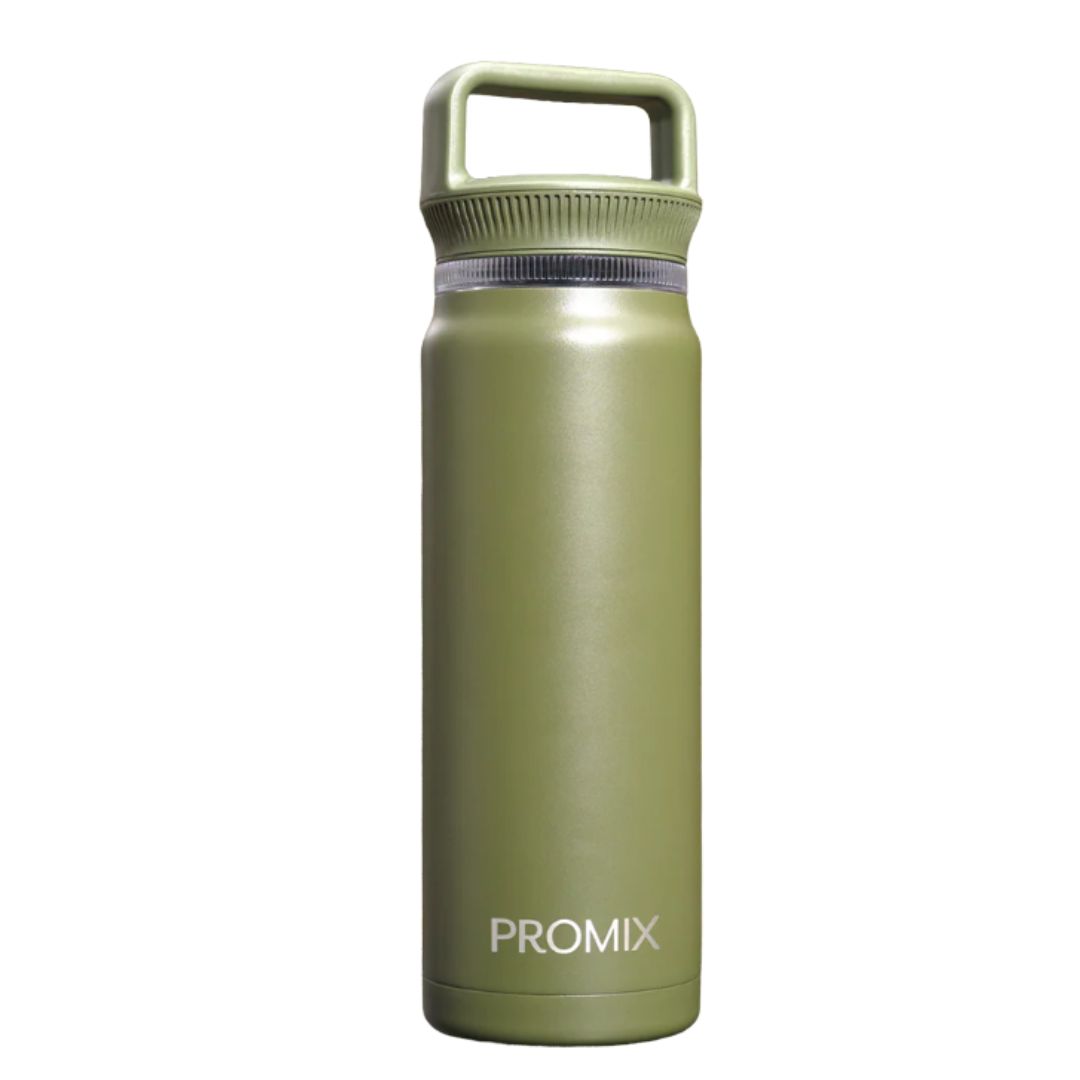
Promix water bottle.

Water Bottle

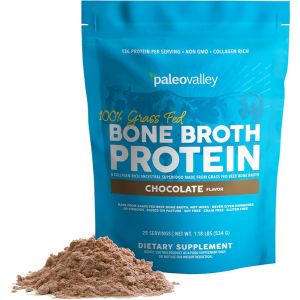
Paleovalley bone broth protein chocolate flavor.

Bone Broth Protein

The best walking shoes on Amazon: Ryka Devotion Plus 3.

Walking Shoe

Dr. Teal's Epsom salts for post Pilates recovery.

Epsom Salts

Final Thoughts on Recovery After a Pilates Workout

Pilates can help you build strength, increase mobility, improve posture, and create the lean, strong body you’re working toward. But the results don’t come from your workouts alone. Recovery is where your body adapts, rebuilds, and gets stronger.

The good news? Recovery doesn’t have to be complicated. Focus on the basics: stay hydrated, eat enough protein, stretch, keep moving, and prioritize quality sleep. Small habits done consistently can help you recover faster, feel better, and show up stronger for your next Pilates workout.

Your Friend & Pilates Expert,

signature-01

Kayla Brugger
Founder of PILATESBODY by Kayla
Founder of PILATESBODY On-Demand

Free 2-Week Wall Pilates X Strength Challenge

Build lean muscle, strengthen your core, and tone your entire body with the 2-Week Wall Pilates X Strength Challenge—using only a wall and a pair of weights! Download your Free Pilates Workout Calendar PDF to get started today!

Free Wall Pilates X Strength Challenge - Product Image - PILATESBODY by Kayla

Free 2-Week Wall Pilates X Strength Challenge

Build lean muscle, strengthen your core, and tone your entire body with the 2-Week Wall Pilates X Strength Challenge—using only a wall and a pair of weights! Download your Free Pilates Workout Calendar PDF to get started today!