You have 0 items in your cart
Discover some aquatic fitness trends and low-impact workouts that build strength, boost energy, and fit into busy mom life—without the burnout.

Between school drop-offs, long workdays, and squeezing in a workout during nap time, our bodies do a lot in a day.
And while I’m always talking about building lean muscle and getting stronger with Pilates and strength training, there’s something to be said for workouts that challenge you without leaving you wiped out or hobbling down the stairs the next day.
That’s exactly why more women are exploring low-impact aquatic fitness workouts.
Water-based training isn’t just for retirees or physical therapy anymore. It’s becoming one of the smartest ways to support strength, recovery, and long-term consistency—especially for busy women who want workouts that actually fit into real life.
This post includes affiliate links. I do earn a commission for products purchased using these links (at no additional cost to you). Thank you for supporting PILATESBODY by Kayla, making the content you see on this blog possible.

For years, the fitness world glorified intensity.
Boot camps.
Back-to-back HIIT classes.
The whole “no days off” mindset.
But many women eventually realize something important:
More intensity doesn’t always mean better results.
Low-impact training has gained momentum because it:
And consistency is what really transforms your body.
It’s the same reason Pilates has exploded in popularity. It builds strength without beating up your body.
We already know Pilates works. Pilates is a secret weapon for strength and balance, which is why so many women use it as the foundation of their training routine.
Water workouts follow that same philosophy. They create resistance in every direction, which means your muscles are constantly working—even when the movements feel smooth and controlled.
Water adds resistance without impact. Every push, pull, kick, and reach meets steady tension from the water itself. Unlike dumbbells, which work primarily in one direction, water resists you 360 degrees. Here’s what that means for you:
If you’ve ever done a slow Pilates leg series in waist-deep water, you know what I mean. It looks graceful. It feels calm. And then suddenly, your glutes are on fire in the best way.

When we talk about low-impact aquatic fitness trends and workouts that actually work, we’re really talking about a shift in how women are training smarter, not harder. Here are a few water-based trends gaining traction:
If traditional Pilates is about controlled precision, then aqua Pilates turns that precision into a full-body challenge. In water, every movement has resistance. For example, when you lift your leg, the water pushes back. And when you lower your leg, the water pushes back again. Your muscles never get a break.
A typical aqua Pilates session might include:
And if you’ve ever struggled with hip tightness or lower back fatigue after mat work, water reduces compression while letting you strengthen those areas.
Core engagement also happens naturally in the water because your body is constantly stabilizing against resistance. That’s one reason aqua Pilates pairs so well with traditional mat work. Exercises like the Pilates Criss Cross help strengthen the obliques and deep core muscles that support balance, rotation, and stability—both in and out of the pool.
If you love the “I did something” feeling after a workout but don’t love sore knees or a fried nervous system, then water circuits are where things get interesting. Water circuit training alternates strength-focused moves with light cardio intervals, all performed in chest- or waist-deep water. Think:
Because water provides constant resistance, your heart rate rises naturally, without the pounding impact of jumping or sprinting on land.
The secret benefit is that recovery is built in. Water’s hydrostatic pressure supports circulation, which can reduce swelling and muscle soreness even while you’re training. For moms balancing strength training with life (and maybe less-than-perfect sleep), this style of workout keeps your metabolism engaged without overloading your system. You’ll feel challenged, but not wrecked.
Mobility-focused water sessions aren’t just stretching in a pool. They’re intentional movement practices that restore joint range, reduce stiffness, and improve muscle elasticity. A recovery-based water session might include:
Because water reduces gravitational pull, you can move through ranges of motion that might feel tight or restricted on land. I’ve personally noticed that after adding one water mobility day into my week, my Pilates sessions feel stronger and more fluid. My hips feel looser, and my core engages more easily.
Swim spas are becoming more popular with women who want the benefits of aquatic training without needing a full lap pool. Swim spas create a current that you can walk or jog against, turning a small space into a powerful resistance workout. You can:
Swim spas are also widely used in therapeutic settings. They offer deeper recovery and rehabilitation benefits and support the body in specialized ways, alleviating conditions such as joint and back pain and chronic fatigue.

I remember a season when I was doing everything “right”: strength training 3 days a week, Pilates twice a week, and short HIIT sessions in between because I thought I needed the extra push.
But I was exhausted. My knees were cranky. My sleep wasn’t great. I felt inflamed more than energized.
Then, a friend invited me to a water-based circuit class. I almost skipped it because it didn’t seem intense enough. But by the end of that 40-minute session, I felt strong, challenged, and surprisingly refreshed. The difference? No pounding and no joint irritation—just steady resistance and controlled movement.
Now, I treat aquatic workouts as strategic additions, not replacements. And that mindset shift has made my overall training more sustainable.
Aquatic training doesn’t have to replace Pilates. In fact, even just 1 day per week of water-based workouts can enhance your normal routine.
Here’s a simple weekly structure I recommend:
2–3 days per week
Pilates or strength training at home
1 day per week
Aqua mobility or resistance circuit
1 optional day
Light swim, walk, or recovery movement
Walking is another easy way to keep movement consistent without overloading your body.
If you’re working on making daily movement part of your routine, setting a simple step goal can be a powerful motivator. I share how I turned walking into a habit I actually enjoy in this guide: How to Turn Your Daily Step Goal Into a Habit.
This kind of balance helps:
And most importantly—it keeps workouts sustainable.

Yes. Water creates natural resistance in every direction, which forces your muscles to work throughout the entire movement. This constant resistance can improve strength, endurance, and muscle tone while keeping stress off your joints.
Aquatic workouts are one of the most beginner-friendly forms of exercise. The buoyancy of water supports your body weight, which reduces pressure on the joints while still allowing you to build strength and improve cardiovascular fitness.
Yes. Many people turn to aquatic training because it’s gentle on the knees, hips, and lower back. The buoyancy of water reduces impact while still allowing you to strengthen muscles that support your joints.
Even one water workout per week can complement your regular routine. Many women combine two to three strength or Pilates workouts with one aquatic session to support recovery and improve mobility.
Most aquatic workouts require little to no equipment. Some classes may use foam water dumbbells, resistance gloves, or flotation belts to increase resistance and balance challenges.

If you’re planning to add aquatic fitness workouts into your routine, having the right gear can make a big difference. The great thing about water-based training is that you don’t need much equipment to get started. A few simple tools can help increase resistance, improve stability, and make your pool workouts more effective and comfortable.
Here are some of my favorite aquatic fitness essentials that can help you get more out of your water workouts while keeping things low-impact and joint-friendly.
These Flow Swimming Resistance Gloves are a simple way to increase intensity during aquatic fitness workouts. The webbed design creates extra resistance in the water, helping strengthen your arms, shoulders, and core during pool exercises, water aerobics, and aqua Pilates sessions. They’re lightweight, comfortable, and a great tool for anyone looking to boost upper-body strength during water workouts without adding impact on the joints.
The Speedo Aqua Fitness Jogbelt is perfect for deep-water cardio and aquatic fitness training. This flotation belt helps keep your body upright and balanced so you can perform water jogging, resistance movements, and low-impact cardio workouts safely in deeper water. It’s an excellent option for building endurance and adding variety to your pool workouts while reducing stress on the knees and hips.

A good pair of water shoes is essential for comfortable and safe aquatic fitness workouts. These lightweight shoes provide traction on slippery pool surfaces while protecting your feet during water aerobics, aqua circuit training, and shallow-water strength exercises. The breathable design allows water to drain quickly, making them ideal for both pool workouts and outdoor water activities.
The Apple Watch Series 11 is a powerful tool for tracking your aquatic fitness routine. With swim-proof durability and advanced fitness tracking, it monitors heart rate, workout intensity, calories burned, and overall activity throughout your water workouts. Whether you’re doing aqua Pilates, swimming laps, or water jogging, this smartwatch helps you stay consistent and measure progress.

These ZIONOR Swim Goggles are designed for clear vision and comfort during aquatic fitness and swim workouts. The anti-fog lenses and wide-view design make it easier to stay focused while swimming laps or performing pool-based exercises. Adjustable straps provide a secure fit, making them a reliable choice for both beginner and experienced swimmers incorporating water workouts into their fitness routine.
After a tough workout—whether in the gym or the pool—the Thermacool Massage Gun helps speed up recovery. This handheld tool delivers deep tissue percussion to reduce muscle soreness and improve circulation after aquatic fitness sessions, Pilates workouts, or strength training. It’s especially helpful for loosening tight muscles and supporting overall recovery so you can stay consistent with your training.

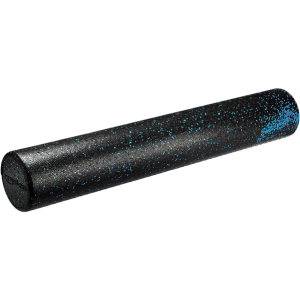
A foam roller is one of the most effective tools for post-workout recovery. Rolling out your muscles after aquatic fitness workouts, Pilates sessions, or strength training can help release tension, improve mobility, and reduce soreness. This foam roller is durable, lightweight, and easy to use at home, making it a great addition to any recovery routine.
A supportive one-piece swimsuit is essential for comfortable aquatic fitness workouts. This design provides a secure fit that allows you to move freely during water aerobics, aqua Pilates, or swim training without worrying about shifting straps or lack of support. The streamlined style and durable fabric make it perfect for regular pool workouts and water-based exercise routines.

Fitness doesn’t have to feel extreme to be effective.
For busy women juggling work, kids, errands, and everything in between, sustainability matters more than intensity.
Low-impact aquatic workouts offer:
All in a single session.
When combined with Pilates and smart strength training, they can support a body that feels strong, energized, and capable—without burnout.
And that’s the kind of fitness routine most of us are actually looking for.
Your Friend & Pilates Expert,
Kayla Brugger
Founder of PILATESBODY by Kayla
Founder of PILATESBODY On-Demand