One of the most common core exercises is the Pilates “Criss Cross”, also known as the “Bicycle Crunch”. This exercise is highly underrated because it is often done incorrectly. Our main goal for performing this exercise is to bring emphasis to the internal and external obliques. This will help give shape to our waistline. Today, I am sharing with you my 5 Criss Cross Tips and Demonstration Video to help make the exercise more effective the next time you perform it!

Pilatesbody by Kayla doing the Pilates criss cross exercise on a mat in her Pilates studio.

Pilates Core Exercise Breakdown: How the Criss Cross Builds Strong, Defined Abs

If you’ve ever finished a Pilates workout thinking, “Why does my neck hurt more than my abs?”—you’re not alone.

The Pilates criss cross exercise is one of the most well-known moves in the Pilates world. And also one of the most misunderstood. It often gets rushed, muscled through, or mistaken for a basic bicycle crunch. When that happens, the core checks out and the neck takes over.

But when the criss cross is done the Pilates way—with lift, control, and intentional rotation—it becomes one of the most effective Pilates core exercises for building strong, defined abs.

In this post, I’m breaking down exactly what the criss cross is, how it fits into the Pilates series of 5, the most common mistakes I see, and how to do it correctly so you actually feel it in your core. Not your neck.

This post includes affiliate links. I do earn a commission for products purchased using these links (at no additional cost to you). Thank you for supporting PILATESBODY by Kayla, making the content you see on this blog possible.

Criss Cross Exercise Amazon Guide featuring a stability ball, neck/back cushion, ankle/wrist weights, resistance bands, a Pilates mat, leggings, and workout tank top to support your Pilates core exercise routine.

What Is the Pilates Criss Cross Exercise?

The Pilates criss cross is a rotational core move you do lying on your back.
It’s part of the classic Pilates ab series and one of the best exercises for targeting the obliques.

At first glance, it looks like a bicycle crunch.
That’s where people get tripped up.

This isn’t about racing your elbows to your knees. The real work comes from lifting the chest and rotating through the rib cage, starting at the waist. Your legs move, yes—but they’re supporting the movement, not driving it.

This is where most people miss the point.

When you rush it, the work jumps straight into your neck.
When you slow it down and stay controlled, it becomes a true Pilates core exercise—and you’ll feel it exactly where you’re supposed to.

Pilatesbody by Kayla demonstrating the Pilates criss cross exercise.

The Pilates Series of 5 and Why It’s So Effective for Core Strength

The Pilates series of 5 is a classic for a reason.
It’s a continuous flow of five ab exercises done without resting your head or feet.

That’s intentional.

The goal isn’t to rush or burn out. It’s to build endurance, control, and deep core strength while staying connected the entire time.

The five exercises in the series are:

  • Single leg stretch
  • Double leg stretch
  • Single straight leg stretch (scissors)
  • Double straight leg stretch (lower lift)
  • Criss cross

Each movement builds on the one before it. By the time you reach the criss cross, your abs are already working—and now they have to stabilize while you rotate.

If you want to see how the full series flows together, you can follow along with this YouTube video.

This same core-first, intentional approach is also how I structure my Reformer Inspired Pilates 3-Week At-Home Challenge, using controlled tempo and smart sequencing to create reformer-style results without the machine.

Why the Criss Cross Is One of the Best Pilates Core Exercises for Obliques

Your obliques aren’t just one muscle.
They’re made up of two layers—internal and external—and they work best when trained together.

That’s exactly what the criss cross does.

By combining lift with rotation, this exercise targets the waist in a way basic ab moves can’t. And when it’s done with control (not speed), the benefits go far beyond just feeling the burn.

A well-executed criss cross helps:

  • Supports better posture
  • Builds waist definition
  • Improves rotational strength for daily movement

This is why Pilates abs look long and strong.
Not bulky. Not compressed.

It’s not about cranking out reps.
It’s about strength with intention—and your body responds differently because of it.

Pilatesbody by Kayla doing a Pilates core exercise.

Common Mistakes the Turn the Criss Cross into a Neck Workout

If your neck is sore after criss cross, something’s off.

Here’s what usually causes it:

  • Pulling on the head with the hands
  • Rushing through the reps
  • Letting the chest collapse instead of lifting
  • Chasing elbow-to-knee instead of rotating the torso

When the criss cross is done well, you should feel your abs working—especially the waist.
Your neck shouldn’t feel like it did the workout for you.

A small form tweak here makes a big difference.

How to Do the Pilates Criss Cross Correctly (Step-by-Step-Cues)

This is one of those exercises where form matters far more than reps. Slowing it down will change everything.

Hands placement

Lightly support the base of your skull. Your hands are there to assist, not to pull your head forward.

Head and neck position

Lift your chest using your abs. If your neck feels like it’s doing the work, reset and lift higher from the core.

Elbows wide

This helps prevent collapsing forward and keeps the rotation coming from your torso instead of your arms.

Rotate from the waist

Think ribs rotating around your spine—not elbows chasing knees.

Slow tempo and breath

Use your breath. Exhale as you rotate, then control the return to center. Less speed. More intention.

If you want to see these cues in action, you can follow along with this step-by-step video:

LET’S GET STARTED

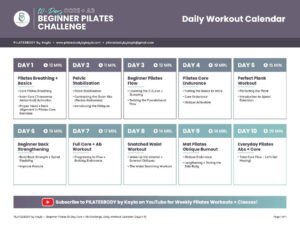
Download Your FREE Workout Calendar

Start the Beginner Pilates Challenge today! Download your Free Pilates Workout Calendar PDF with direct links to each of the at home Pilates workouts

beginner-pilates-10-day-core-and-ab-challenge-daily-workout-calendar-pilatesbody-by-kayla
* indicates required

Enter your name and email to sign up for the Beginner Pilates 10-Day Core + Ab Challenge. We won't sell your information or spam you.

Pilatesbody by Kayla doing a Pilates abs workout.

How the Criss Cross Fits into a Complete Pilates Ab Workout

The criss cross shows up at the end of the Pilates ab series for a reason.
By this point, your abs are already working—and this is the most demanding move of the sequence.

Aim for 5–10 slow, controlled reps per side.

If your form starts to slip, that’s your cue to stop.

You’ll want to modify the criss cross if you’re:

  • Postpartum
    • If you’re postpartum and working toward weight loss and core strength, this Pilates for Postpartum Weight Loss guide is a great place to start before progressing to the full ab series.
  • Dealing with neck sensitivity
  • New to Pilates core exercises

If lying on your back or lifting your head doesn’t feel right yet, a standing option can be a great alternative. This 10-Minute Standing Ab Workout with Weights lets you train your core upright without neck strain while still building strength and control. Other simple modifications—like keeping the head down, reducing your range of motion, or slowing the tempo—are just as effective. Meet your body where it is.

Video Demonstration: Pilates Criss Cross Exercise

FAQ: Pilates Core Exercises and the Criss Cross

Is Pilates a good core workout?

Yes—when done correctly, Pilates is one of the most effective ways to train your core. It targets the deep muscles that support your spine, pelvis, and posture, not just surface abs. By pairing movement with breath and control, Pilates builds strength that feels connected and sustainable. If you want a deeper breakdown of why Pilates works this way, I explain it in What Is Pilates, Really? Why You NEED to Be Doing It.

What 5 Pilates exercises make up the abdominal series?

The classic Pilates series of 5 includes:

  • Single leg stretch
  • Double leg stretch
  • Single straight leg stretch (scissors)
  • Double straight leg stretch (lower lift)
  • Criss cross

These exercises are performed back-to-back without resting. Each one builds on the last, gradually increasing the challenge and requiring more core control as the series progresses.

How often should you do Pilates core exercises for results?

For most people, 3–5 times per week is ideal. Pilates core work doesn’t need to be done daily to be effective. Consistency matters more than volume. When you focus on proper form, breathing, and control, even shorter sessions can lead to noticeable strength, better posture, and improved core awareness over time.

Why does Pilates focus on slow, controlled ab movements instead of fast reps?

Slower movement allows the deep core muscles to stay engaged the entire time. Fast reps often shift the work into momentum, the neck, or the hip flexors. Pilates prioritizes control so your abs actually support your spine and movement. It’s not about how many reps you do—it’s about how well your core stays connected throughout the movement.

Why does my neck hurt during criss cross?

Neck discomfort during criss cross usually means the abs aren’t fully supporting the movement yet. Common causes include pulling on the head, collapsing the chest, or moving too quickly. Slowing down, keeping the elbows wide, and focusing on lifting the chest from the core can immediately reduce neck strain. When in doubt, modifying is always the smarter choice.

Is the Pilates criss cross safe for beginners or postpartum?

Yes—with modifications and the right approach. Beginners and postpartum bodies benefit from rebuilding deep core strength before progressing to full rotation. Options like keeping the head down, limiting range, or working through a supported version of the exercise help keep it safe and effective. Listening to your body and prioritizing control over intensity is key.
Pilatesbody by Kayla doing the Pilates series of 5.

Essentials to Upgrade Your Pilates Core Exercise Routine

Pilates Abs Series Essentials – My Top Picks

You don’t need a full studio setup to improve your Pilates core exercise routine—but the right tools can make a noticeable difference. Whether you’re working through the Pilates abs series or refining your criss cross form, small upgrades can help you stay supported, improve alignment, and feel your core doing the work instead of your neck or hip flexors. These are the essentials I recommend for building stronger, more controlled Pilates abs at home.

  1. Mat with Strap
  2. Back and Head Support Cushion
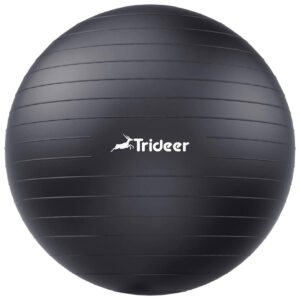
  3. Stability Ball
  4. Resistance Bands
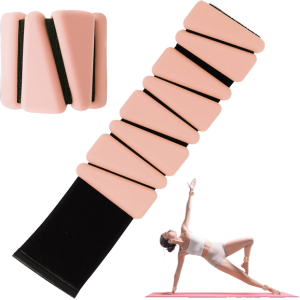
  5. Wrist/Ankle Bangles
  6. CRZ Yoga Long Line Bra
  7. CRZ Yoga Flare Leggings

A supportive, non-slip mat is the foundation of any strong Pilates core exercise routine. When you’re working through the Pilates abs series, especially movements like the criss cross, you need cushioning for your spine and grip for controlled rotation. A quality mat keeps you stable so your abs stay engaged—not distracted by sliding or discomfort.

If you’ve ever felt neck strain during the Pilates criss cross exercise, this is a game changer. A supportive cushion helps maintain proper head and neck alignment so you can focus on lifting from the core. It’s especially helpful for beginners, postpartum clients, or anyone rebuilding strength in the Pilates abs series.

A small stability ball adds feedback and support to your Pilates core exercise practice. Place it behind your head for assistance or between your thighs to increase inner-thigh and deep core activation during the Pilates abs series. It’s a simple way to improve connection without increasing strain.

Resistance bands add controlled tension to leg movements in the Pilates abs series, making your core work harder without speeding things up. They’re perfect for progressing a Pilates core exercise while maintaining alignment and control. Think more challenge, not more momentum.

Light ankle weights increase the demand on your lower abs during movements like the criss cross. Because Pilates is control-based, even 1–2 pounds can make a difference in your Pilates core exercise routine. The key is maintaining form while adding resistance—not rushing reps.

Support matters when you’re staying lifted through the Pilates abs series. A comfortable, secure long-line bra allows you to focus on breath and control without adjusting mid-workout. When your body feels supported, your Pilates core exercise practice feels stronger and more confident.

High-rise, supportive leggings help you feel held through the waist during the Pilates criss cross exercise and other rotational movements. They allow full range of motion while giving gentle compression through the midsection—perfect for staying focused during the Pilates abs series.

Did you try the criss cross exercise?

The Pilates criss cross isn’t about speed, sweat, or pushing through discomfort.
It’s about awareness.

When you slow it down, stay lifted, and rotate from the waist, this exercise trains your core to support you the way it’s meant to—in workouts and in real life.

If your neck has been doing most of the work, that’s not a failure. It’s just feedback. A small shift in form can completely change how this exercise feels.

Revisit the basics.
Respect the sequence.
And remember—strong Pilates abs come from control, not cranking out reps.

That’s where the real results live.

Your Friend & Pilates Expert,

signature-01

Kayla Brugger
Founder of PILATESBODY by Kayla
Founder of PILATESBODY On-Demand

Free 3-Week Reformer Inspired Pilates At Home Challenge

Get the reformer results you want right from your mat with the 3-Week Reformer-Style Pilates Challenge. No machine needed! Download your Free Pilates Workout Calendar PDF to get started today!

3-Week Reformer Pilates At Home Challenge Free YouTube Reformer-Inspired Workout Program - Pilatesbody by Kayla

Free 3-Week Reformer Inspired Pilates At Home Challenge

Get the reformer results you want right from your mat with the 3-Week Reformer-Style Pilates Challenge. No machine needed! Download your Free Pilates Workout Calendar PDF to get started today!