You have 0 items in your cart
Pregnancy changes your body in amazing ways. Discover the most common Pilates mistakes to avoid so you can stay strong and safe throughout this time.
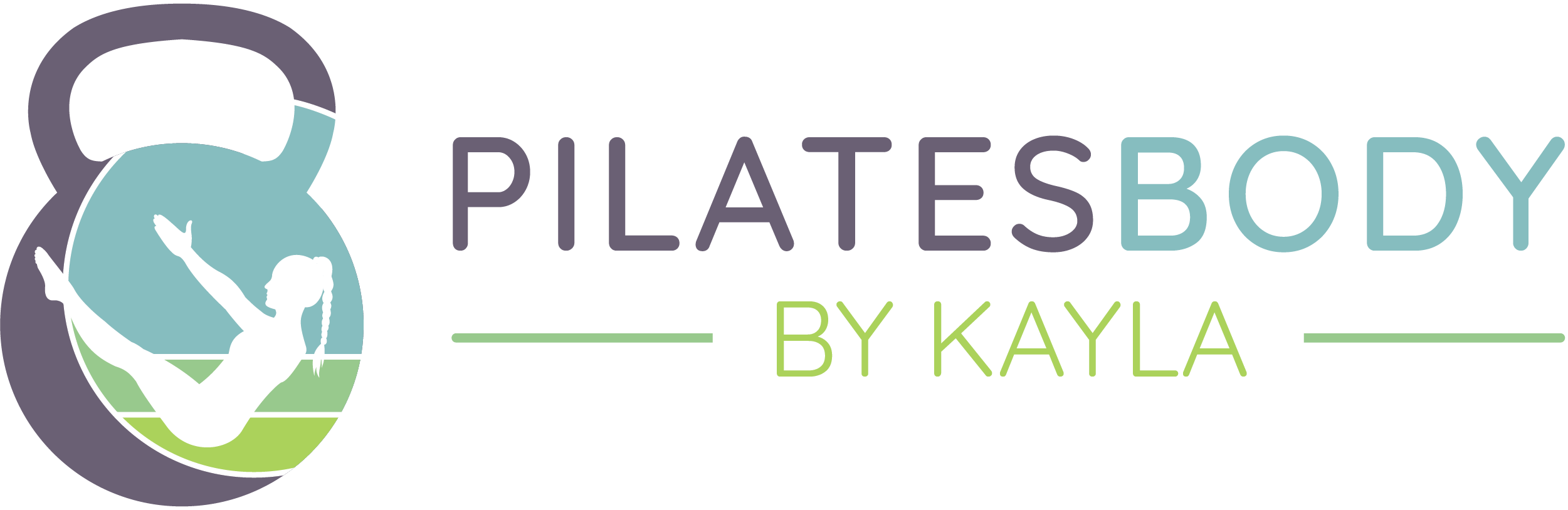

Pregnancy transforms your body in amazing ways, but it also requires you to rethink how you move. I remember my second trimester when I tried to power through a Pilates session like nothing had changed: big mistake. My center of gravity had shifted, my core felt completely different, and I ended up dizzy and frustrated.
That experience taught me that prenatal Pilates demands a whole new approach. Understanding the common Pilates mistakes to avoid during pregnancy helps you keep moving safely while building strength for labor and recovery. Your body craves movement during these nine months, and Pilates offers the perfect blend of core stability, flexibility, and breathwork.
However, the same exercises that made you feel strong before pregnancy can actually work against you now. Your ligaments loosen, your belly grows, and your balance shifts, all of which means your Pilates practice needs intentional modifications.
The good news? You can absolutely stay active and feel incredible throughout your pregnancy when you know what to avoid and how to adapt.
This post includes affiliate links. I do earn a commission for products purchased using these links (at no additional cost to you). Thank you for supporting PILATESBODY by Kayla, making the content you see on this blog possible.
Deep breathing is the foundation of every Pilates exercise, but many pregnant women unconsciously hold their breath when exercises feel challenging. This habit becomes more common as your belly grows and the pressure increases, making some positions feel more demanding. I caught myself doing this during modified hundreds. I’d tense up, hold everything in, and completely forget to breathe.
The problem goes beyond just feeling lightheaded. When you hold your breath during core work, you create unnecessary pressure in your abdomen and pelvic floor. Your baby needs a steady oxygen flow, and your muscles need breath to function correctly.
During pregnancy, your diaphragm already has less room to expand because your uterus takes up so much space. This lack of space makes conscious breathing even more critical than before.
Focus on exhaling during the challenging part of each movement and inhaling during the easier phase. Your breath should sound audible and rhythmic. Think of it as your anchor throughout each exercise.
When you maintain steady breathing, you support your pelvic floor, reduce tension in your shoulders and neck, and make the exercises more effective. If you find yourself holding your breath, that’s your body’s signal to modify the exercise or take a break.
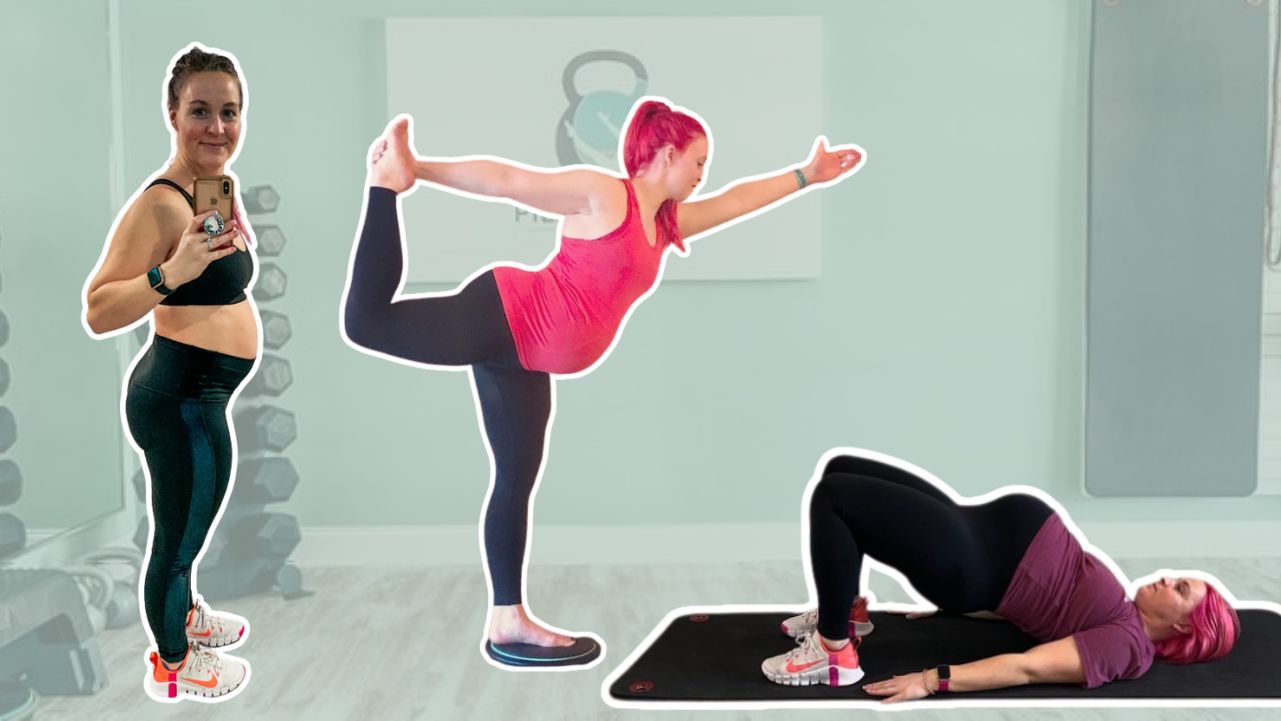
Lying flat on your back is a standard Pilates position for most deep core work. As pregnancy progresses, it becomes more and more uncomfortable. After about 16–20 weeks, lying completely flat can compress your vena cava, the central vein that returns blood from your lower body to your heart. This compression can reduce blood flow to your baby and make you feel lightheaded, dizzy, nauseous, or short of breath. However, every body is different, and you may feel completely fine beyond the 20-week mark.
I learned this as pregnancy progressed, and during a workout while lying on my back for an extended period of time, I suddenly felt lightheaded and had to roll to my side. I would typically perform many traditional Pilates exercises in the supine position and found that I needed to make some alterations.
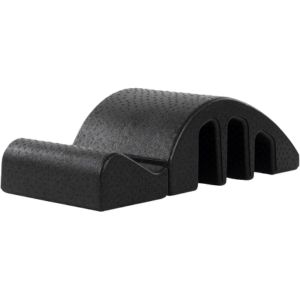
Prop yourself up on an incline using pillows, a wedge, an arc, or a foam roller to keep your upper body at least 30–45 degrees above the surface. You can also switch to side-lying variations of many exercises. Side-lying leg lifts and clams work your hips beautifully without any back-lying position.
Some women feel perfectly fine on their backs throughout pregnancy, while others need to modify earlier. Listen to your body rather than pushing through discomfort. Your baby will let you know if something feels off, so trust that intuition.
Interestingly, innovations in home birth practices have emphasized the importance of position changes throughout labor, and your Pilates practice during pregnancy prepares you for this positional awareness.
Diastasis recti, the separation of your abdominal muscles, happens to most pregnant women to some degree. Your growing baby needs space, so your abdominal muscles naturally separate along the midline.
Traditional Pilates ab exercises like crunches, roll-ups, and certain planks can worsen this separation if you don’t modify them appropriately. I noticed my belly coning upward and out during core work one day, which told me my abs couldn’t handle it anymore. That visible coning or doming indicates your deep core can’t handle the pressure, and you need to back off, change position, or modify the movement.
Instead of forward flexion movements (think crunches), focus on exercises that strengthen your deep transverse abdominis, the corset-like muscle that wraps around your middle. Bird dogs, modified side planks with your knees down, and standing exercises are excellent modifications to traditional ab curls.
You can also embrace functional movements like squats, lunges, and standing leg work that prepare your body for the demands of carrying a baby and, eventually, labor. The benefits of third-trimester exercises include helping position your baby and building stamina for delivery.
Check your belly regularly during exercises. If you see coning, tenting, or a ridge down the middle of your stomach, stop that movement and choose something gentler.
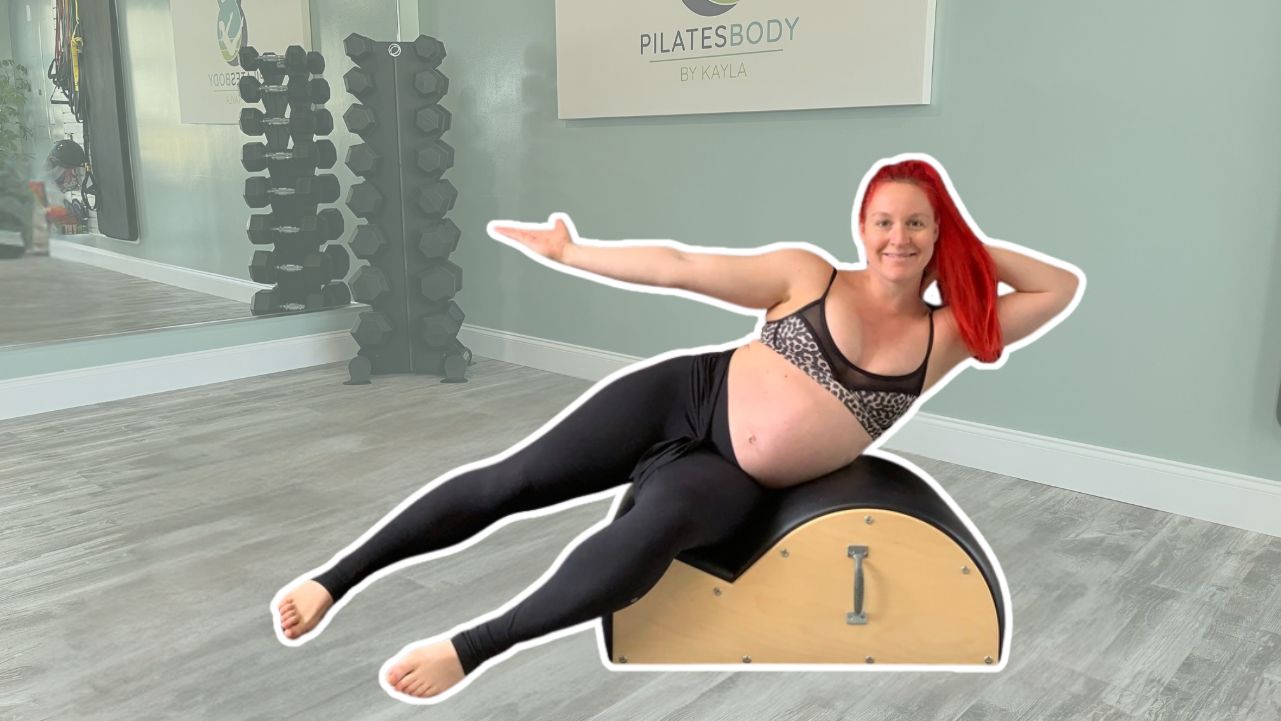
Relaxin floods your body during pregnancy, loosening your ligaments to prepare your pelvis for birth. This hormone affects every joint in your body, which means you’ll feel looser and less stable than usual. That extra flexibility might seem like a Pilates bonus, but it actually increases your risk of injury.
I could suddenly sink deeper into stretches than ever before, but my hips would ache afterward because I’d pushed past my body’s safe range. Your joints lack their regular support right now, so hyperextending or overstretching can cause lasting damage.
Pay attention to how your knees, hips, and wrists feel during exercises. If you experience sharp pain, pinching, or a feeling of instability, your body is telling you to modify your form. Use smaller ranges of motion, keep a slight bend in your joints to reduce hyperextension, and make your muscles do the work.
Your balance also changes dramatically as your center of gravity shifts forward with your growing belly. This change means that balancing exercises require extra caution. Hold onto a wall or chair for support rather than risking a fall.
Some women develop pelvic girdle pain or symphysis pubis dysfunction, which makes movements like leg circles or scissors extremely uncomfortable. Pay close attention to these signals, and choose alternative exercises that feel stable and pain-free.
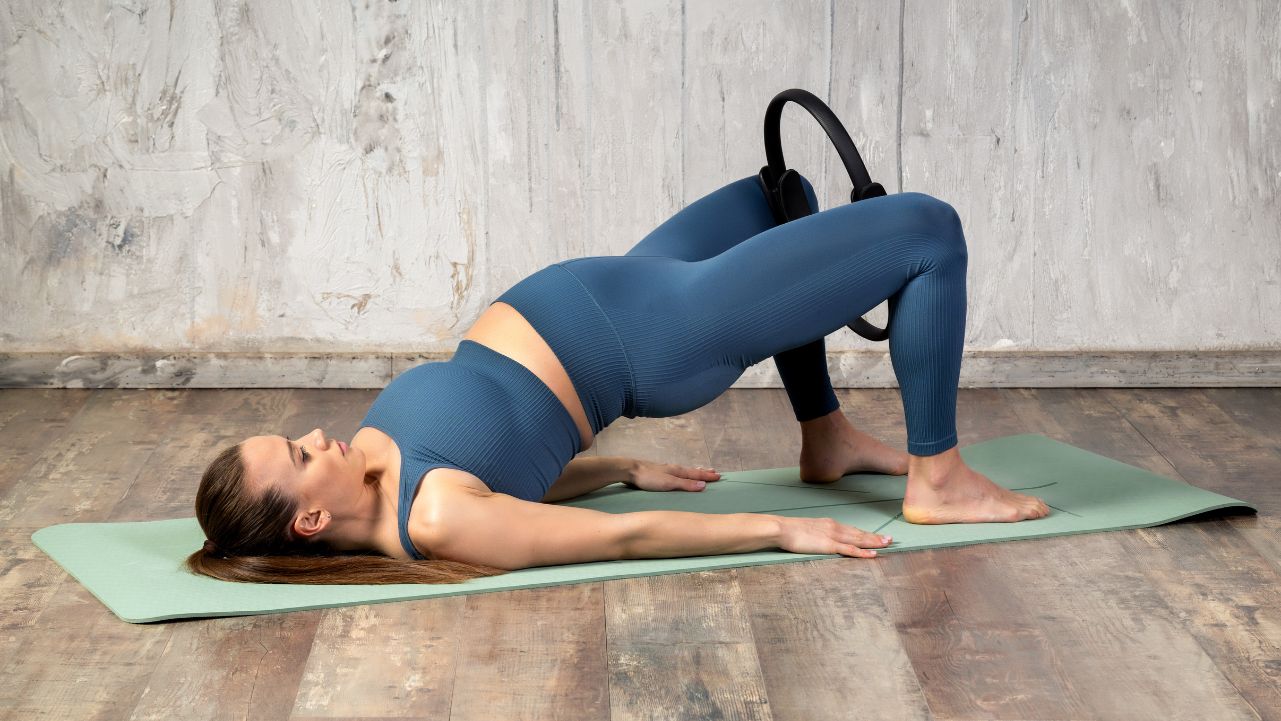


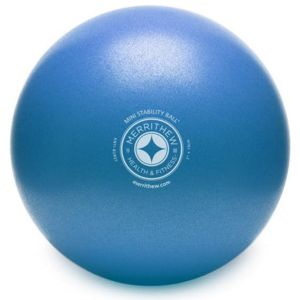
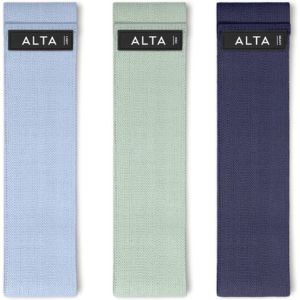
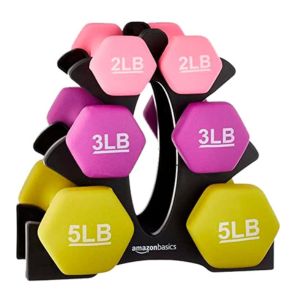
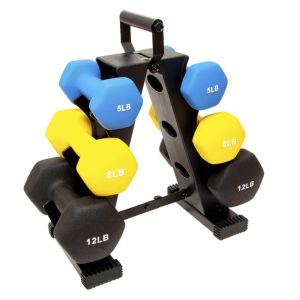
Understanding the common Pilates mistakes to avoid during pregnancy empowers you to keep moving safely while building strength for labor and beyond. Your body accomplishes incredible things during these nine months, and modified Pilates supports that journey rather than fighting against it.
Remember to breathe consistently, elevate your upper body, watch for ab separation, respect your joint stability, and adjust your intensity to match your current energy. These modifications aren’t limitations. They’re excellent adaptations that honor what your body needs right now.
Your Friend & Pilates Expert,
Kayla Brugger
Founder of PILATESBODY by Kayla
Founder of PILATESBODY On-Demand