You have 0 items in your cart

Diastasis Recti: What It Is, and How to Assess, Prevent, and Heal It
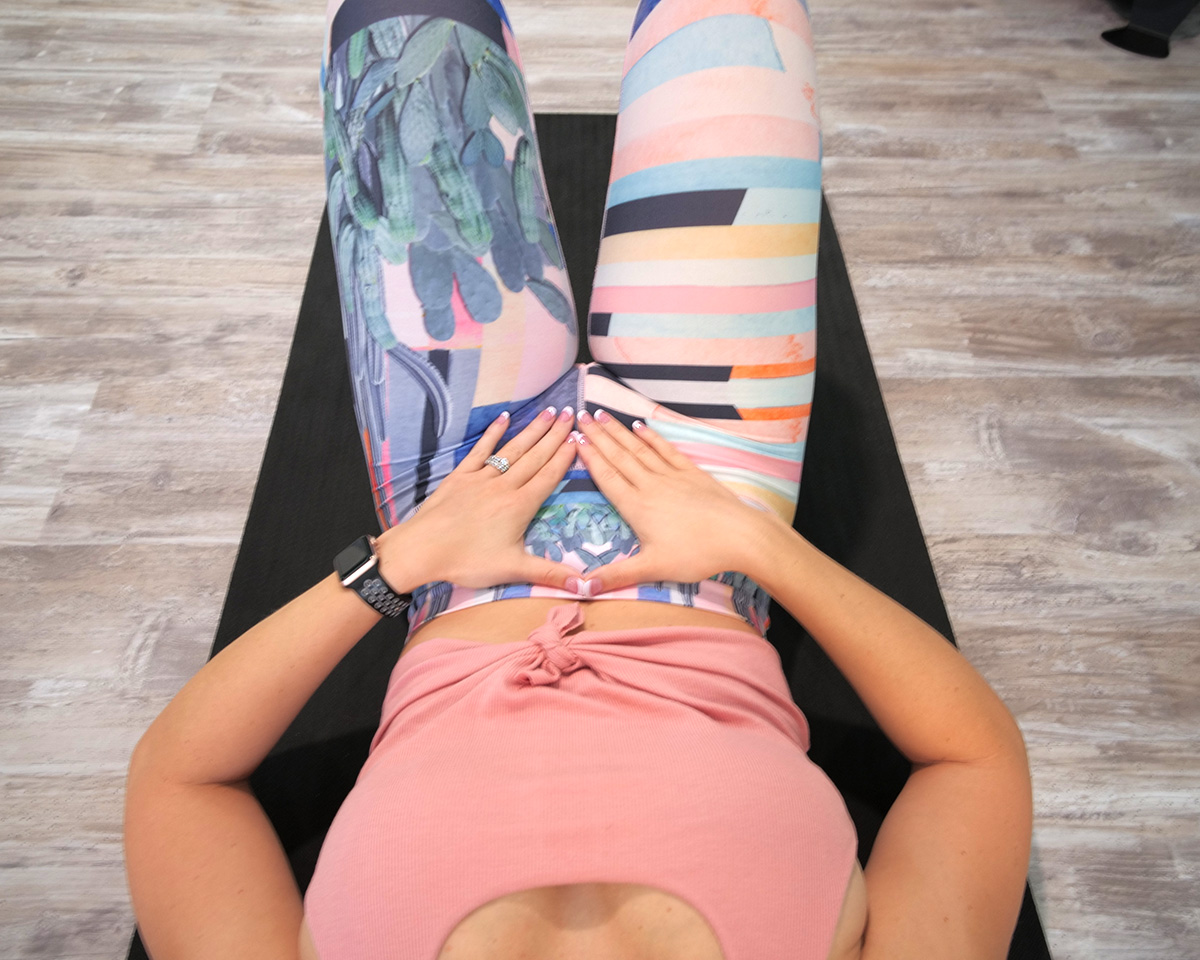
Diastasis Recti (DR) is a common injury that occurs mainly during pregnancy and affects the core. Many people also refer to Diastasis Recti as “abdominal separation” or “stomach gap”. During pregnancy, our rectus abdominis, the outer layer of ab muscles, have to stretch apart to create room for the growing baby. With this extreme stretching to accommodate growth and development, it essentially makes the rectus abdominis unable to function properly during pregnancy and postpartum.
The severity of the abdominal separation varies for every person and every pregnancy, and severity of DR can be minimized by doing pregnancy safe Diastasis Recti workouts. However, it can also become worse by doing improper core workouts during pregnancy. We also like to point out that this abdominal injury can also occur in males, but has been predominantly found to affect females due to child bearing.
Dr. Jesse Lillejord, Doctor of Chiropractic and Founder of Chiro For Moms, says, “When it comes to Diastasis Recti, time is your best friend. With healing, we see women getting the best results when they are willing to take the time and explore multiple avenues of help. We most often recommend pelvic/spinal adjusting, as the abdominal muscles attach to the pelvis (the pelvis needs to be aligned following labor & delivery due to all the shifting), refer out to pelvic floor physical therapy, recommend applicable supports (like a band) for stability to complete their activities of daily living (bending, twisting, lifting with a child), and of course, Pilates for the core strength and stabilization.”
Many people who are trying to heal their Diastasis Recti abdominis will often refer to this healing as “closing the gap”. Depending on the severity of your Diastasis Recti, there can be a noticeable gap that runs down the center of the abdomen. When this gap forms down the centerline where tissue is injured, or “torn”, the gap forms between these two halves of the Diastasis Recti muscle.
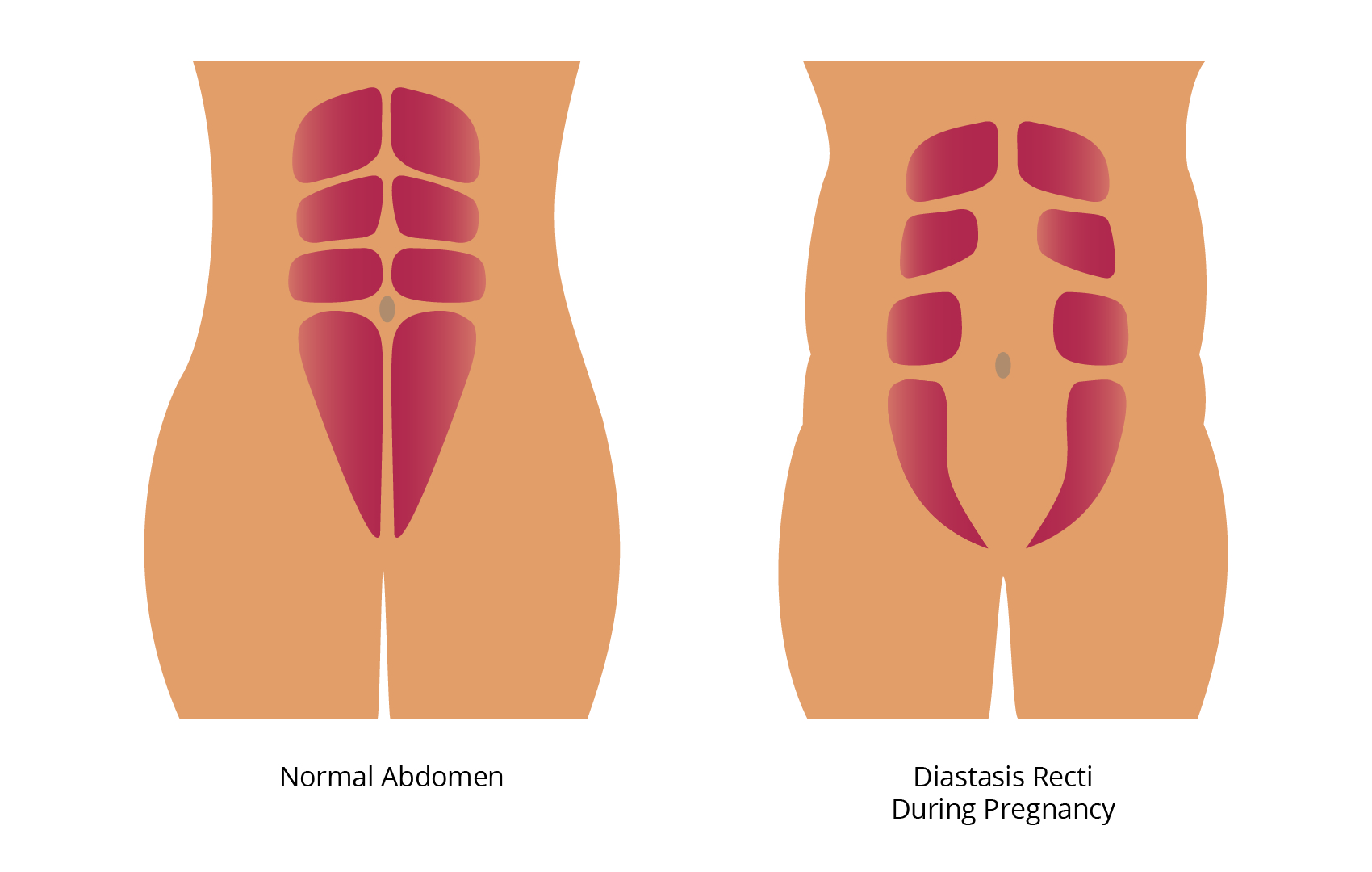
With Diastasis Recti abdominis, the connective tissue stretches and thins, leading to a measurable separation between the two sides of your abdominal muscles. The gab can start at your sternum bone and travel all the way down to your pubic bone or run somewhere along that line. The separation can also become a noticeable bulge or ridge that runs down that midline.
Other common signs of Diastasis Recti may include:
Since the severity of Diastasis Recti can vary for every person, Julie Tupler, the inventor of the Tupler Technique, says you are looking for the distance between the separated muscles and the condition of the connective tissue when checking for Diastasis Recti. There is a simple way you can check and assess for DR using the following 4 simple steps:
Similar to our Pilates 8-Week Complete Core Challenge, the Tupler Technique is a program designed to make your Diastasis Recti abdominis smaller and heal the weaker connective tissue between the muscles. Unlike the Tupler Technique, which requires you to wear a Tupler branded splint, our 8-Week Complete Core Challenge teaches you how to develop the deep transverse abdominis muscle to create that corset-like muscle strength on your own.
Dr. Jesse Lillejord of Chiro For Moms is one of the Women’s Health Professionals who has completed our Pilates 8-Week Complete Core Challenge. Here is a brief statement of her experience with the challenge: “I personally loved the 8-Week Challenge! As a mama of two c-sections (nearly 8 years ago), I found this challenge to be inspiring and, dare I say, challenging. It woke up abdominal muscles I didn’t know I had. The consistency helped me feel like I was making real progress and creating new lifestyle habits for the long haul.”
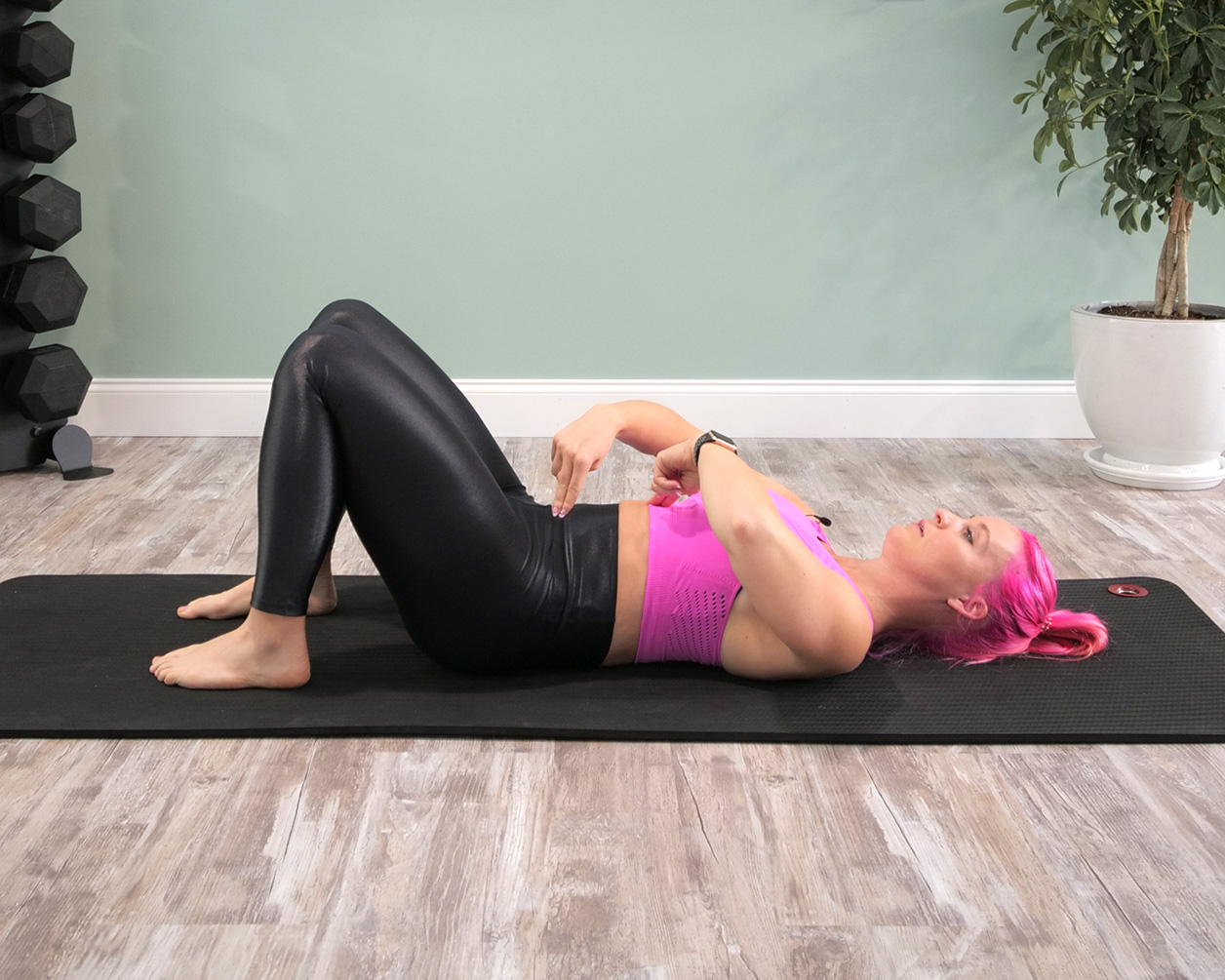
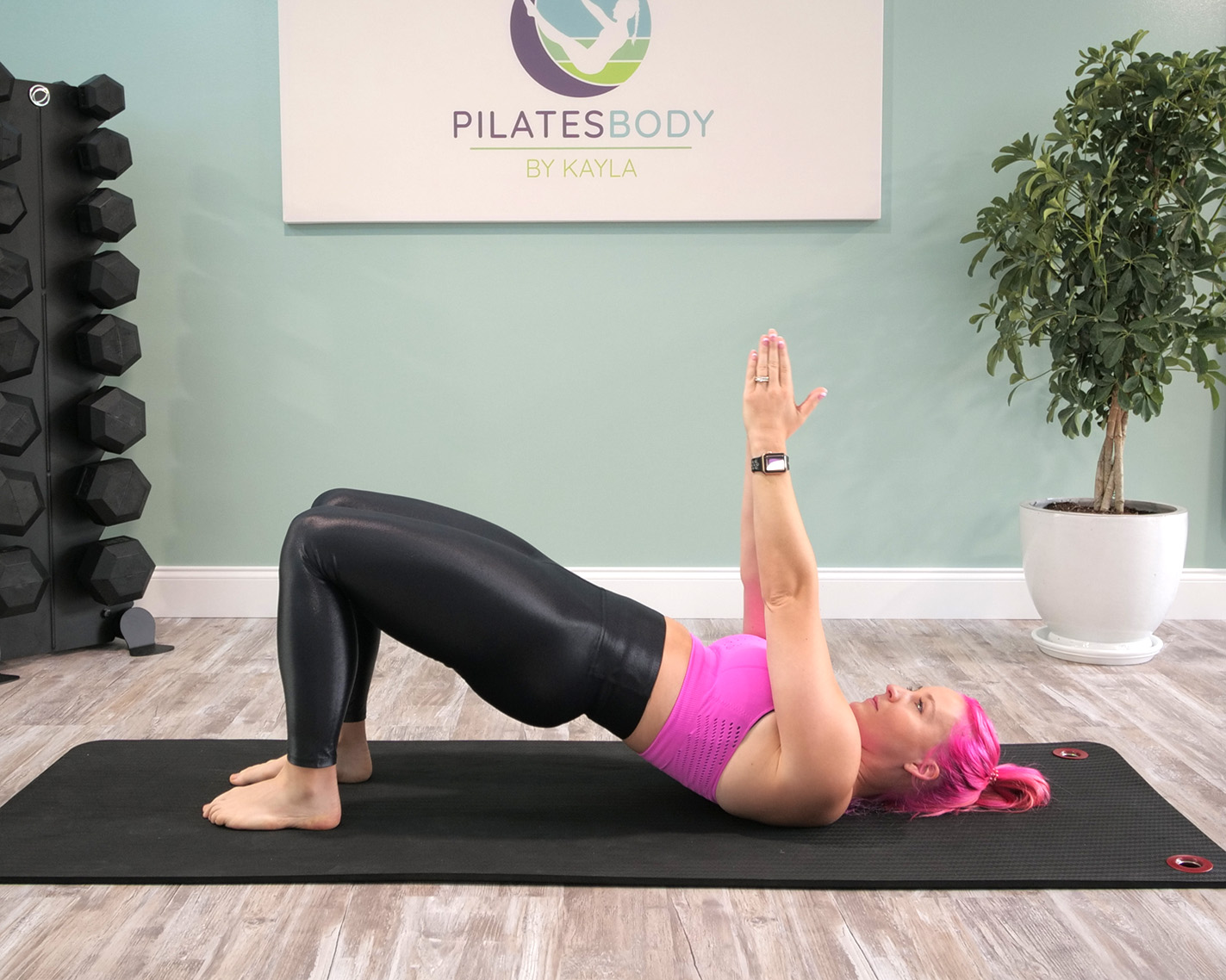
To prevent Diastasis Recti during pregnancy and postpartum, I recommend performing this 3D Breathing Exercise daily. At first do as many breaths as you can, and over time work up to 10 consistent breaths in a row. Be sure to check out the video demonstration of this 3-Dimensional Breathing Exercise that I included below the exercise steps!
Performing this 5-Minute Exercise Regimen 4 to 5 days a week will shape your core during pregnancy, shorten labor and delivery, and speed up postpartum recovery. Try to aim for 10 to 15 repetitions of each exercise.
Follow along to the full class Daily Core Flow #106 on the PILATESBODY ON-Demand App. Use the code FREETRIAL at checkout to receive your first month at no cost!
Patience and consistency are key to healing Diastasis Recti abdominis. I have designed my Pilates 8-Week Core + Booty Challenge as an On-Demand 6 day a week workout plan at only 30 minutes each day. It is your comprehensive Pilates-based Guide to building a strong core and toning your booty while you heal your body from the inside out. As a progressive challenge, you start by building the foundation of the core again with fundamental exercises, proper breathing, and body alignment. Over the course of the 8 weeks, the challenge progresses and you will get stronger and ultimately begin feeling like yourself again. Sign yourself up to start healing today!
Many women find that Pilates is their preferred form of exercise when it comes to healing DR after giving birth with pregnancy safe Diastasis Recti workouts. Pilates is one of the most common Diastasis Recti workout systems because of its isometric motion of movements and contraction of the abdominals. Pilates focuses on isometric contractions, proper breathing, spinal mobility, and posture alignment.
Just remember that healing looks different to everybody. The time it takes to heal depends on the severity of the injury as well as the consistency to repair and heal to restore full function, but our bodies are resilient and healing is possible without surgery! Start your healing journey today with our Pilates 8-Week Complete Core Challenge and our classes on the PILATESBODY On-Demand App!
Your Friend & Pilates Expert,
Kayla Brugger
Founder of PILATESBODY by Kayla
Founder of PILATESBODY On-Demand
Hi, I'm Kayla Brugger. Certified Pilates Instructor & Minnesota Mama of 2.