Wondering how to improve cardiovascular endurance without sacrificing your Pilates and strength workouts? Discover simple ways to build stamina, strengthen your heart, and create a balanced fitness routine that delivers results without endless cardio sessions.
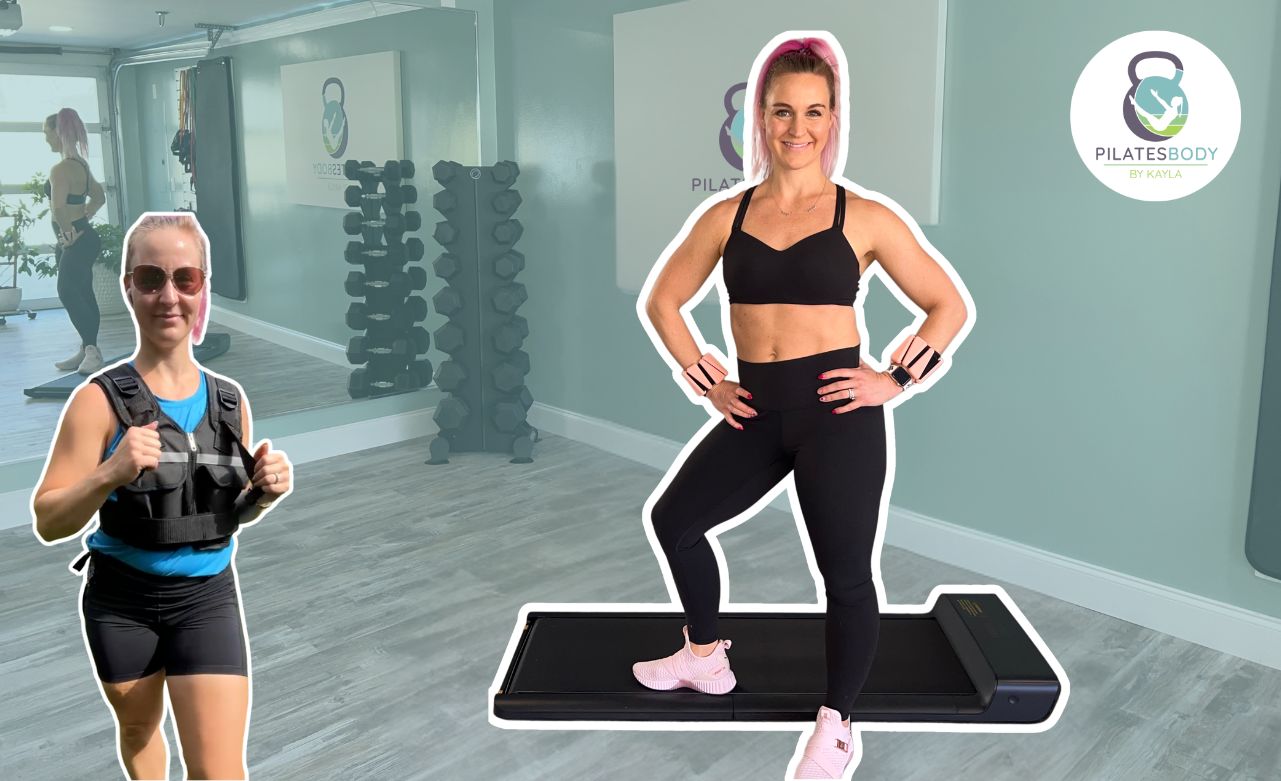
Pilatesbody by Kayla shares tips on how to improve cardiovascular endurance without overloading on cardio.

How to Improve Cardiovascular Endurance with Cardio and Strength Training

If you’re already making time for Pilates and strength training, you might be wondering how to improve cardiovascular endurance without adding more workouts to your schedule. The good news? You don’t need to choose between building muscle and improving your cardiovascular fitness.

I’m a big believer in working smarter, not longer. With a few simple adjustments, you can combine cardio and strength training to build muscle and improve endurance. All without sacrificing the workouts you love. Here are my favorite tips for getting the most out of your workout routine.

This post includes affiliate links. I do earn a commission for products purchased using these links (at no additional cost to you). Thank you for supporting PILATESBODY by Kayla, making the content you see on this blog possible.

Best equipment to improve cardiovascular endurance

Start With Short Cardio Bursts

Cardio doesn’t have to happen in one long workout to count. Short bursts of movement throughout your day can add up, especially when finding another 30-minute block just isn’t realistic.

Here are a few easy and effective ways to get your cardio in:

  • Take a brisk 5–10 minute walk after a meal.
  • Hop on your walking pad for my 10-Minute Walking Pad Workout when you need something quick.
  • Try my 10-Minute Pilates HIIT Workout for a standing, low-impact way to get your heart rate up without jumping.
  • Add a few minutes of incline walking before or after a strength workout.
  • Use step-ups, marching, or other low-impact cardio between strength exercises.

The key is to stop thinking every cardio session needs to be a full workout. Ten intentional minutes still count, and sometimes that’s much easier to fit into your day.

Pair Cardio With Strength Training

You don’t have to choose between building muscle and improving cardiovascular endurance. In fact, combining both is one of my favorite ways to get more out of workouts.

Strength work builds muscular strength and resilience, while aerobic exercise challenges cardiovascular endurance and your ability to sustain activity over time. Combining cardio and strength training together allows you to work on muscular strength and cardiovascular endurance in the same session. This approach is the foundation of my Pilates X Strength method. By incorporating different types of training, you can build strength, improve endurance, and create a more balanced workout routine.

Alternate cardio and strength blocks

Instead of finishing all your strength exercises and then moving to cardio, mix the two. Complete a few strength exercises, add one or two minutes of cardio, then move into your next strength block.

You could power walk on a walking pad, do step-ups, increase your treadmill incline, or add a short burst of low-impact cardio. It’s a simple way to keep your heart rate up while still prioritizing strength, which I never want my clients to sacrifice.

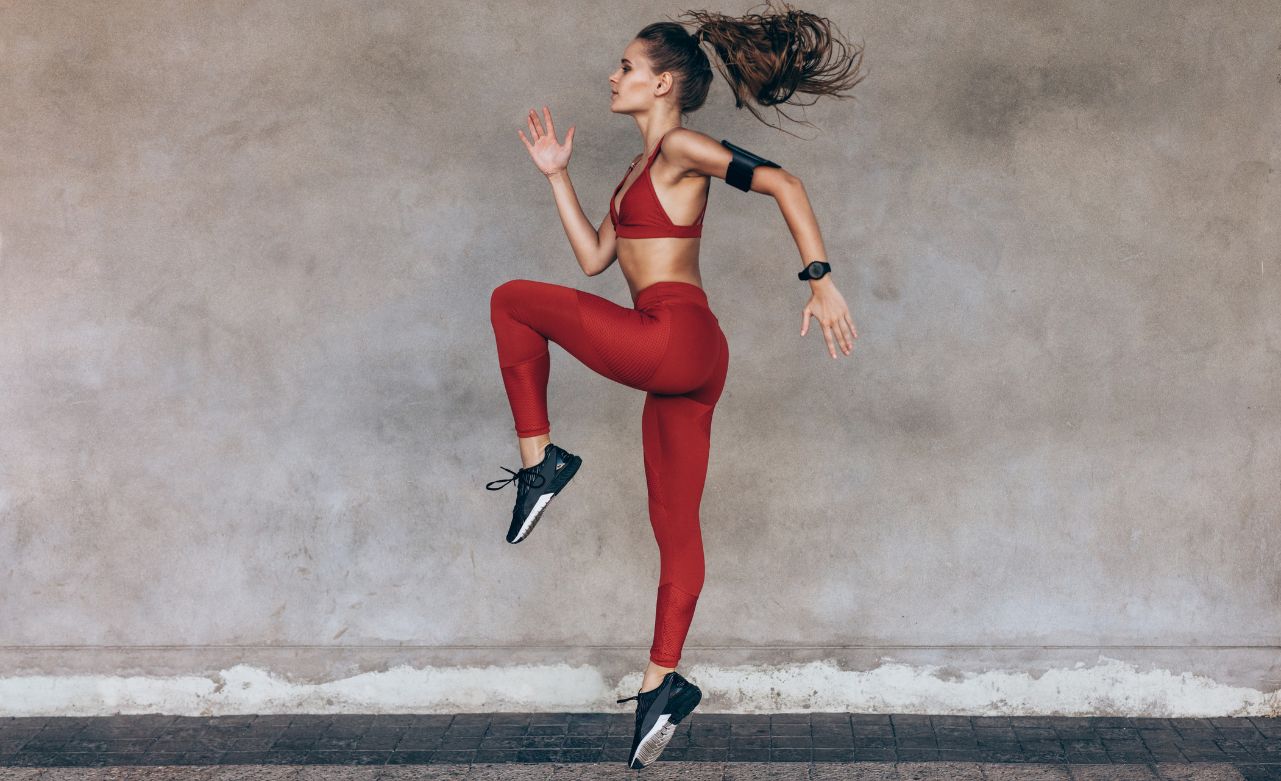
A woman in red athletic wear performs a high-knee jump. She wears black training shoes, a fitness watch, and an armband. Image Credentials: Photo by: Jacob Lund # 207451736

Choose Low-Impact Cardio Options

You don’t have to run, jump, or push through intense HIIT workouts to improve your cardiovascular fitness. I’m a huge fan of low-impact cardio because you can get your heart rate up without putting unnecessary stress on your joints. Plus, it’s easier to do alongside Pilates and strength training without feeling completely drained.

Some of my favorite low-impact cardio options include:

If a guided workout is more your style, try my Full-Body Low-Impact Cardio Pilates. It’s a quick, joint-friendly way to get your heart rate up, no equipment needed!

The best cardio workout is one you’ll actually stick with. Choose activities you enjoy, switch things up for variety, and remember that low impact doesn’t always mean low intensity.

Adjust Intensity to Your Energy

Not every workout needs to leave you dripping in sweat to be effective. Some days you’ll have the energy to push harder, and other days you may need to take it easy. Learning to listen to your body and adjust your intensity is key to building a fitness routine you can stick with.

If you’re tired or short on time, it’s okay to swap intense intervals for a brisk walk or shorten your workout. Consistency matters more than going all out every single session. And giving yourself permission to scale back occasionally can help you avoid burnout.

Use incline instead of speed

Want to make your walks more challenging without running? Try adding an incline! Walking uphill naturally increases the effort, challenges your cardiovascular endurance, and engages your lower-body muscles without requiring faster speeds.

Research supports this approach, too. A study published in the Journal of Orthopaedic Research found that walking uphill at a slower pace puts 23–35% less stress on the knees than walking faster on a flat surface.

Start with a slight incline and gradually increase it as your endurance improves. Focus on maintaining good posture, engaging your core, and keeping a comfortable stride. It’s a simple way to challenge your body without adding extra time or high-impact movements.

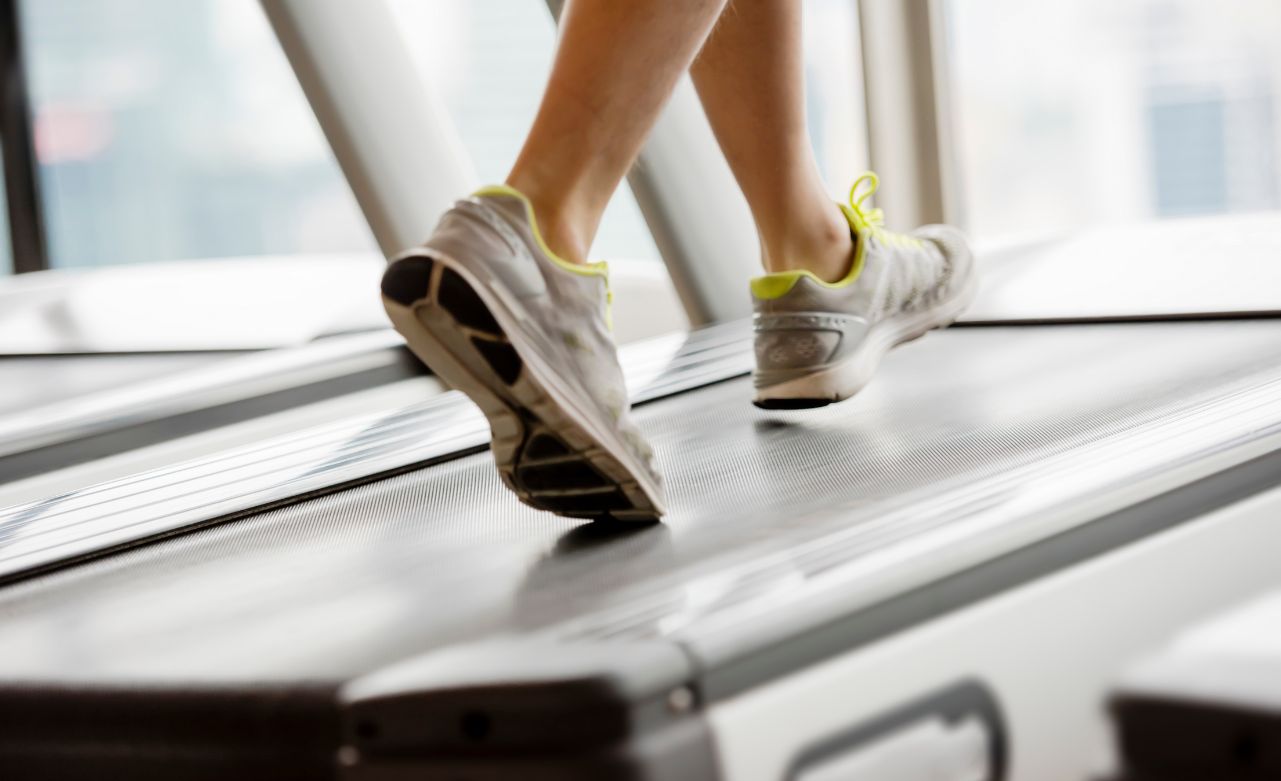
A woman on an incline treadmill showing how to improve cardiovascular endurance.

Use Equipment to Add Variety

Doing the same cardio workout every day can get boring FAST. Mixing things up with a walking pad, stationary bike, rowing machine, or elliptical can keep your routine interesting while challenging your body in different ways.

Personally, I love my walking pad because it’s an easy way to get more steps in without leaving the house. If you’re thinking about getting one, check out the Best Walking Pads for Crushing Your Daily Step Goals for my top picks.

You can also make your usual walk more challenging by adding light dumbbells. Try my 25-Minute Walking Pad Workout with Weights for a fun way to combine walking with upper-body movements.

Notice your progress

Progress isn’t always about calories burned or how much you sweat. Sometimes it’s realizing you can walk longer without getting winded, maintain a faster pace, or recover more quickly between intervals.

Pay attention to these small improvements! They’re signs your cardiovascular endurance is improving and can help you decide when it’s time to increase your speed, incline, or workout duration. Remember, progress doesn’t always mean pushing harder. Sometimes it’s simply noticing that what used to feel challenging now feels easier.

Build Cardio Into Your Week

Improving cardiovascular endurance starts with a balanced workout routine that includes cardio, strength training, and recovery. You don’t need a strict schedule, but planning ahead helps you train with purpose instead of squeezing in random workouts.

I’m a big believer in flexibility when it comes to fitness. A planned 30-minute walk can easily become three 10-minute walks, and moving a workout to another day doesn’t mean you’ve fallen off track. What matters is staying consistent with a routine that supports your goals.

I share more practical ways to make fitness work with your schedule in my blog, A Flexible Approach to Workouts for Busy Moms: Small Steps, Big Impact. And if consistency is a struggle, my tips for making healthy habits stick might be helpful.

Plan around your busiest days

Take a look at your schedule before planning your workouts. Save longer cardio sessions for days when you have more time, and stick with quick walks or short cardio finishers on busier days.

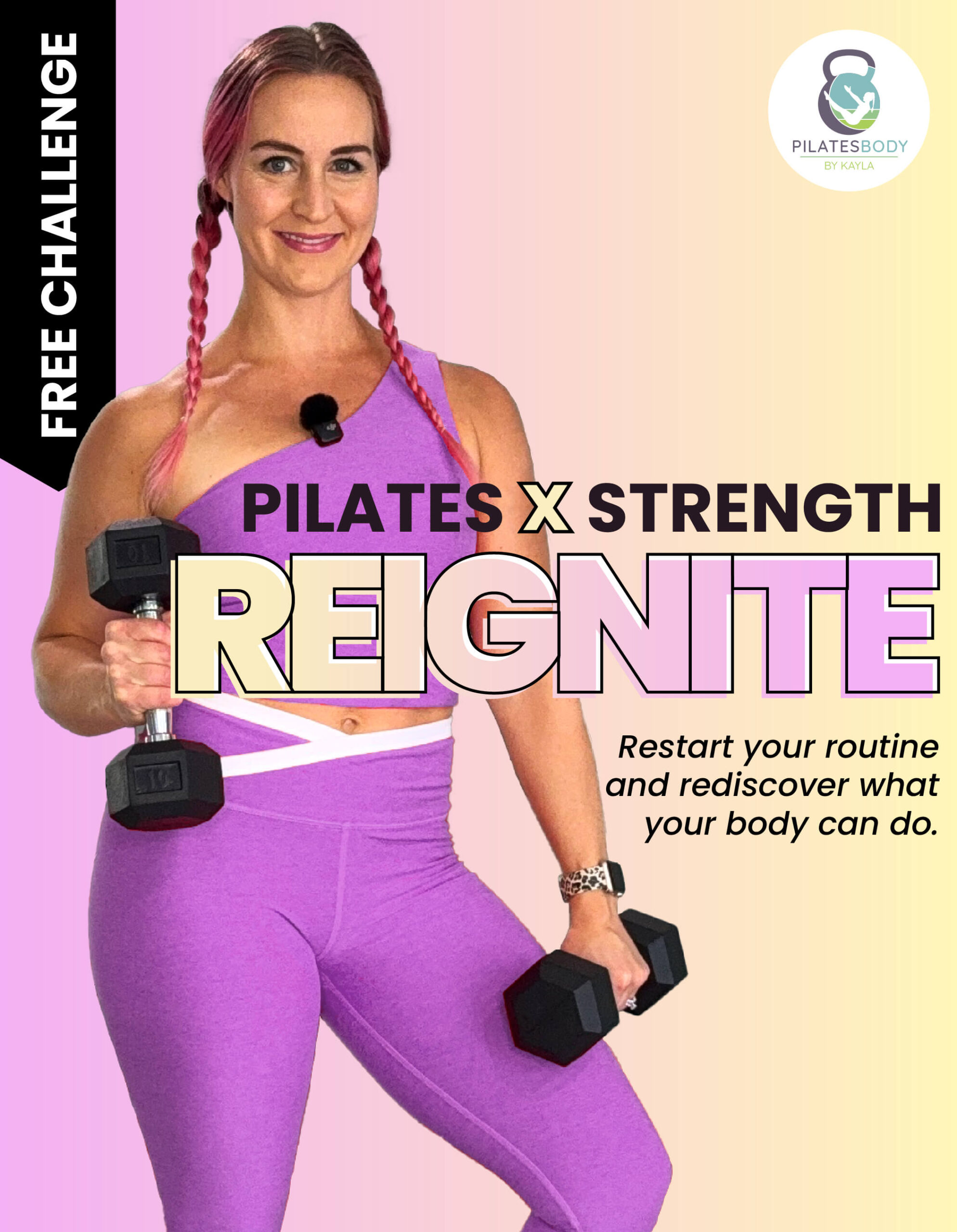
This is exactly why I’m such a big believer in having a realistic workout plan. My REIGNITE: Free 2-Week Pilates X Strength Program combines Pilates and strength training into 30-minute workouts, helping you build muscle, improve endurance, and be consistent without spending hours exercising.

Ultimately, the best workout routine is one you can actually stick to. Cardio doesn’t have to be complicated or exhausting to improve your endurance and support your overall health. Find movement you enjoy, make it part of your week, and let consistency do the work.

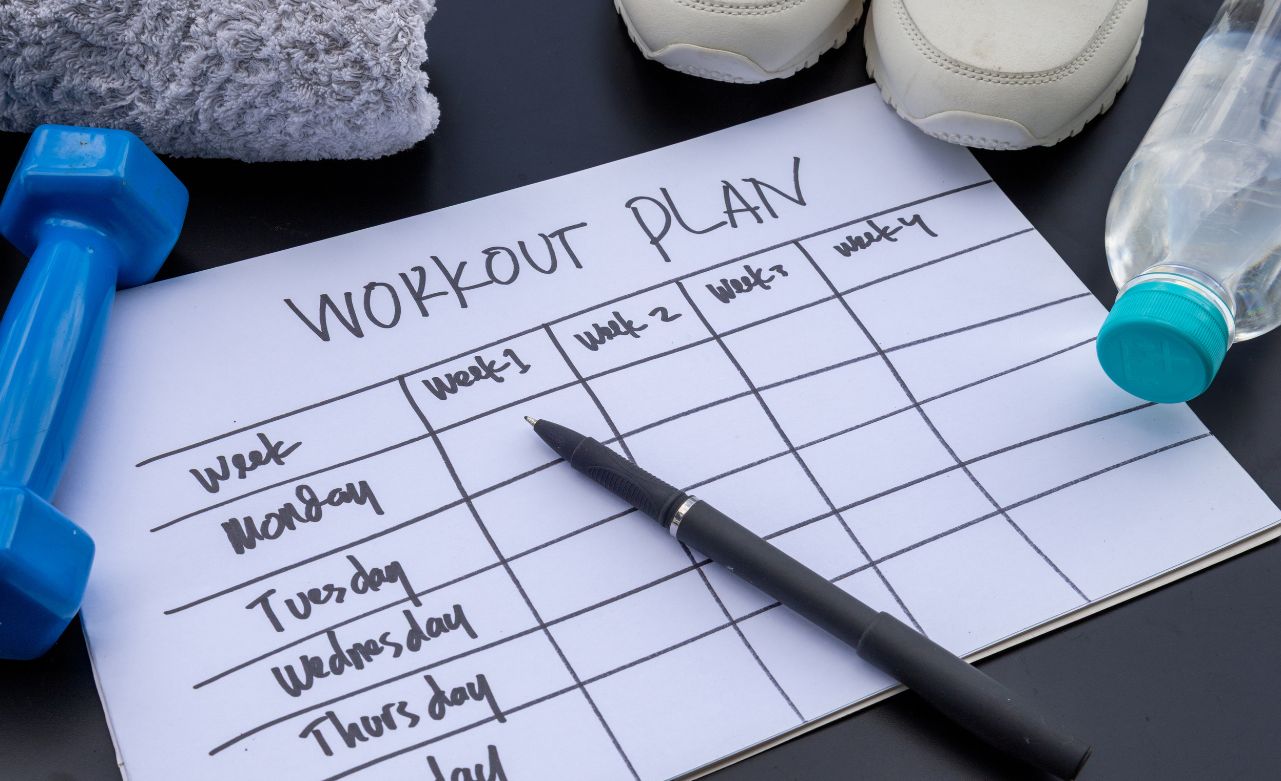
A paper workout schedule, a pen, sneakers, a blue dumbbell, and a bottle of water.

FAQ about Cardiovascular Endurance

How much cardio should I do each week?

The American Heart Association recommends at least 150 minutes of moderate-intensity aerobic activity or 75 minutes of vigorous activity per week. That might sound like a lot, but you can break it into shorter sessions throughout the week. Brisk walking, cycling, and low-impact cardio workouts all count toward your weekly goal.

Is Pilates considered cardio?

Traditional Pilates primarily focuses on core strength, muscular endurance, flexibility, and control. However, faster-paced Pilates workouts with continuous movement can also raise your heart rate and provide cardiovascular benefits. If you love Pilates but want more cardio, try incorporating standing Pilates HIIT or low-impact cardio Pilates workouts into your routine.

Is walking enough cardio to improve cardiovascular fitness?

Yes! Brisk walking is an excellent form of moderate-intensity cardio when it raises your heart rate and breathing. You can make your walks more challenging by increasing your pace, adding an incline, or gradually extending your distance. Walking is also one of my favorite ways to stay active between Pilates and strength workouts because it’s accessible, low-impact, and easy to incorporate into everyday life.

Can I do cardio and strength training in the same workout?

Absolutely! One of my favorite ways to combine cardio and strength training is by walking with a weighted vest. Adding extra resistance to your walks can increase the intensity, challenge your muscles, and help you burn more calories without adding another workout to your schedule. I break down the benefits, how to get started, and my favorite options in my blog, Benefits of Walking with Weighted Vests for Women + My Top Picks.

How do I increase my VO2 max quickly?

One of the most effective ways to improve VO2 max is through interval training. Alternating between challenging cardio intervals and recovery periods helps improve your body’s ability to use oxygen during exercise. Brisk walking, incline treadmill workouts, and cycling can also improve cardiovascular fitness when performed at the right intensity. For the best results, combine regular aerobic exercise with strength training and adequate recovery.

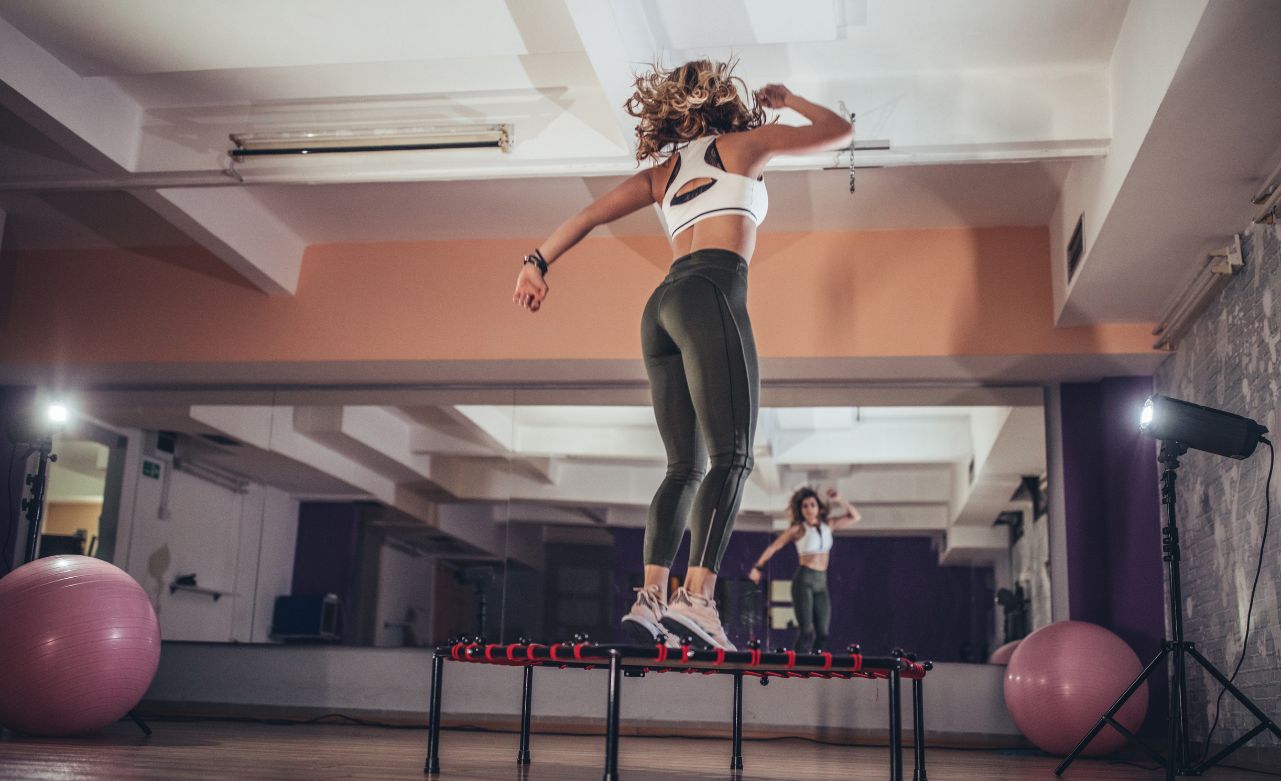
A woman jumping on a rebounder in a home gym.

Best Equipment to Improve Cardiovascular Endurance

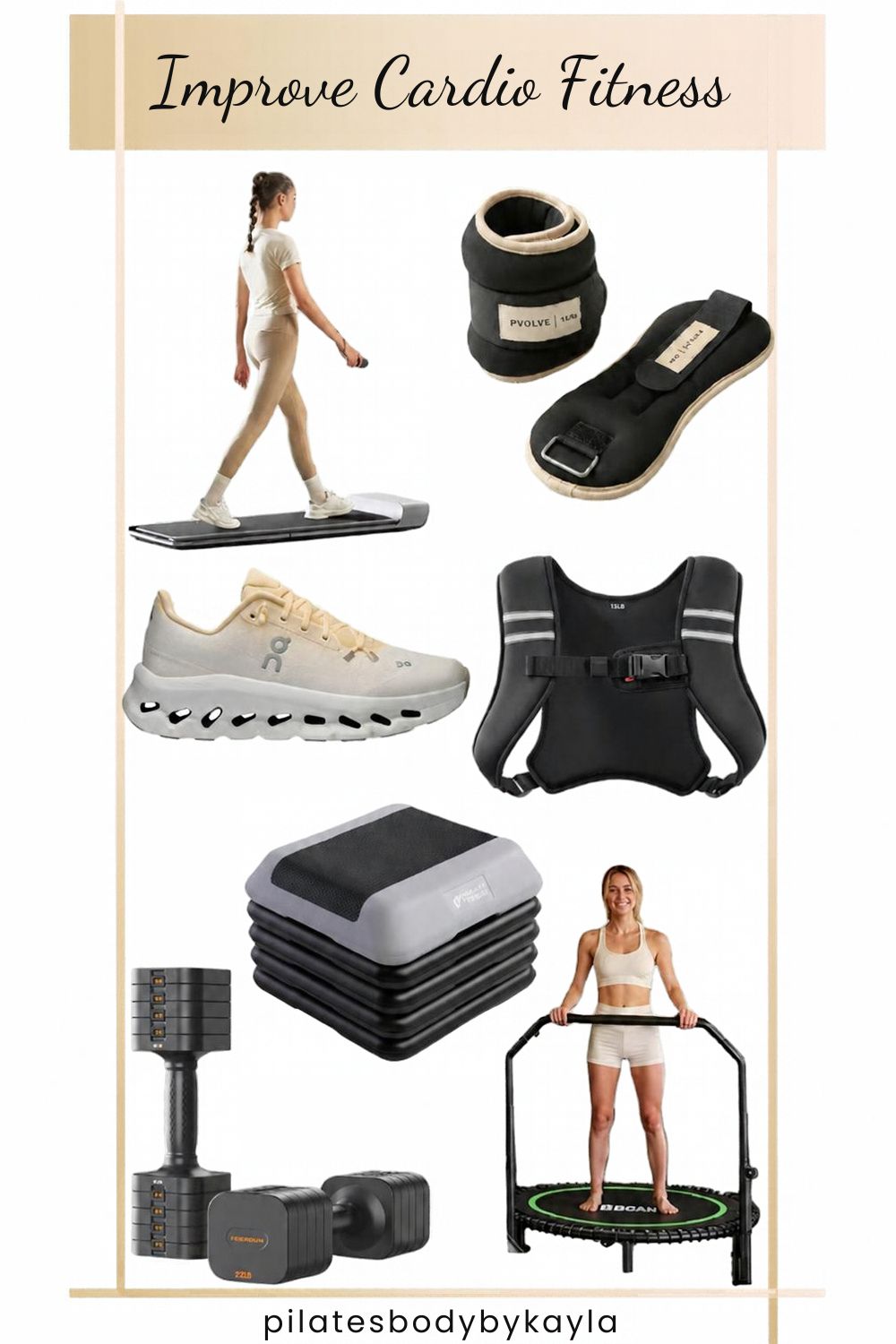
The right workout equipment can help you build cardiovascular endurance while making your workouts more effective and enjoyable. I’ve rounded up some of my favorite cardio and strength training essentials to help you build stamina, challenge your muscles, and train smarter at home.

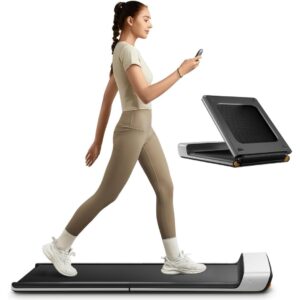
  1. Foldable Walking Pad
  2. Weighted Vest
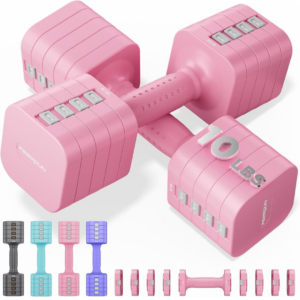
  3. Adjustable Dumbbells
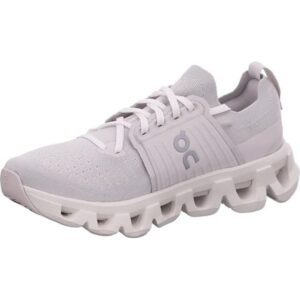
  4. On Women’s Walking Sneaker
  5. Small Rebounder Trampoline
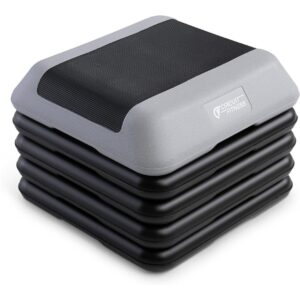
  6. Aerobic Step Platform
  7. Ankle Weights

One of my favorite ways to improve cardiovascular endurance at home! A foldable walking pad makes it easy to get your steps in while working, watching TV, or squeezing in a quick cardio session.

Take your daily walks up a notch with a weighted vest! Adding resistance increases the intensity of your walks, challenges your muscles, and helps build stamina without needing to run.

Perfect for combining cardio and strength training in one workout. Adjustable dumbbells make it easy to switch between weights, build lean muscle, and challenge your muscular endurance without cluttering your workout space.

Comfortable, supportive walking shoes are essential when you’re working on building cardiovascular endurance. These On sneakers are a great option for daily walks, treadmill sessions, and staying active throughout the day.

Looking for a fun alternative to traditional cardio? A mini rebounder offers a lower-impact way to get your heart rate up, improve coordination, and challenge your cardiovascular endurance at home.

An aerobic step platform is perfect for adding cardio intervals to your strength workouts. Use it for step-ups, low-impact cardio circuits, or lower-body exercises that challenge your muscles and endurance.

One of my favorite accessories for Pilates sculpt workouts! Ankle weights add resistance to controlled movements, helping challenge your lower-body muscles and muscular endurance without needing heavy equipment.

Small Changes, Stronger Results

Improving cardiovascular endurance doesn’t mean exercising more. It’s about training smarter and finding the right balance between cardio, strength training, and recovery. Walking, low-impact intervals, and combining different training methods can all help improve your cardiovascular fitness.

As a Pilates instructor and strength coach, I believe the best results come from a well-rounded approach. Challenge your heart, build muscle, prioritize recovery, and stay consistent. A stronger, healthier body comes from how you train, not just how much. Every bit of movement counts.

Your Friend & Pilates Expert,

signature-01

Kayla Brugger
Founder of PILATESBODY by Kayla
Founder of PILATESBODY On-Demand

REIGNITE: Free 2-Week Pilates X Strength Challenge

Reconnect with your body and build momentum with the 2-Week REIGNITE Pilates X Strength Challenge. Download your Free Pilates Workout Calendar PDF to get started today!

Free 2 Week PXS Pilates X Strength Challenge Reignite - Pilatesbody By Kayla

REIGNITE: Free 2-Week Pilates X Strength Challenge

Reconnect with your body and build momentum with the 2-Week REIGNITE Pilates X Strength Challenge. Download your Free Pilates Workout Calendar PDF to get started today!

Leave a Reply


Kayla Brugger, Pilates instructor and founder of PILATESBODY by Kayla

Hi, I'm Kayla Brugger. Certified Pilates Instructor & Minnesota Mama of 2.

More About Me

Pilates Programs

YouTube Workouts