You have 0 items in your cart
Fuel your body with the right foods, and these are the best proteins to eat, from lean meats and fish to plant-based options and dairy products.

As a Pilates instructor and a mom, I live in the real world.
Busy mornings. Grab-and-go meals. Eating between workouts, kids, and life.
And I’ve learned this the hard way:
Protein matters. A lot.
When my snacks and meals are protein-forward, my energy stays steady.
My muscles recover better.
And I don’t feel ravenous an hour later.
Protein isn’t just a “fitness thing.”
It helps repair muscle after workouts, keeps you full longer, and supports your immune system—especially when you’re juggling a lot.
For busy women (yes, especially moms), getting enough protein can change how your body feels day to day.
So let’s break down the best proteins to incorporate into a diet, in a way that actually works for real life—not perfection.
This post includes affiliate links. I do earn a commission for products purchased using these links (at no additional cost to you). Thank you for supporting PILATESBODY by Kayla, making the content you see on this blog possible.
If you move your body regularly—Pilates, strength training, or just keeping up with kids—protein matters.
Every workout creates tiny muscle tears. Protein helps repair them so your muscles get stronger, not just sore. It also keeps you fuller longer, supports steady energy, and helps prevent the constant snack cravings that hit when meals are too carb-heavy.
For moms, protein does even more. It supports recovery, stamina, and bone health as we age. According to Harvard Health Publishing, getting enough protein helps maintain muscle mass and bone strength over time—both key for staying active and feeling good long-term.
Simple takeaway?
If you want to feel stronger, more energized, and less run down, protein needs to be part of your daily routine.
Lean meats and poultry are simple, reliable protein sources—especially if you’re active and short on time.
Why they work:
These are go-to proteins for a reason.
Key benefits:
If you want simple, realistic ways to use chicken beyond plain grilled breasts, check out my blog on Healthy Shredded Chicken Recipes for easy, protein-packed meal ideas.
Lean beef brings more than just protein to the table.
Why it’s helpful:
During the colder months, one of the easiest ways to cook lean beef is in a slow cooker. It’s low effort, great for batch cooking, and makes tougher cuts tender. If you need ideas, check out my blog on Slow Cooker Recipes for easy, protein-packed meals.
Tip: Choose lean cuts like sirloin or top round when possible.
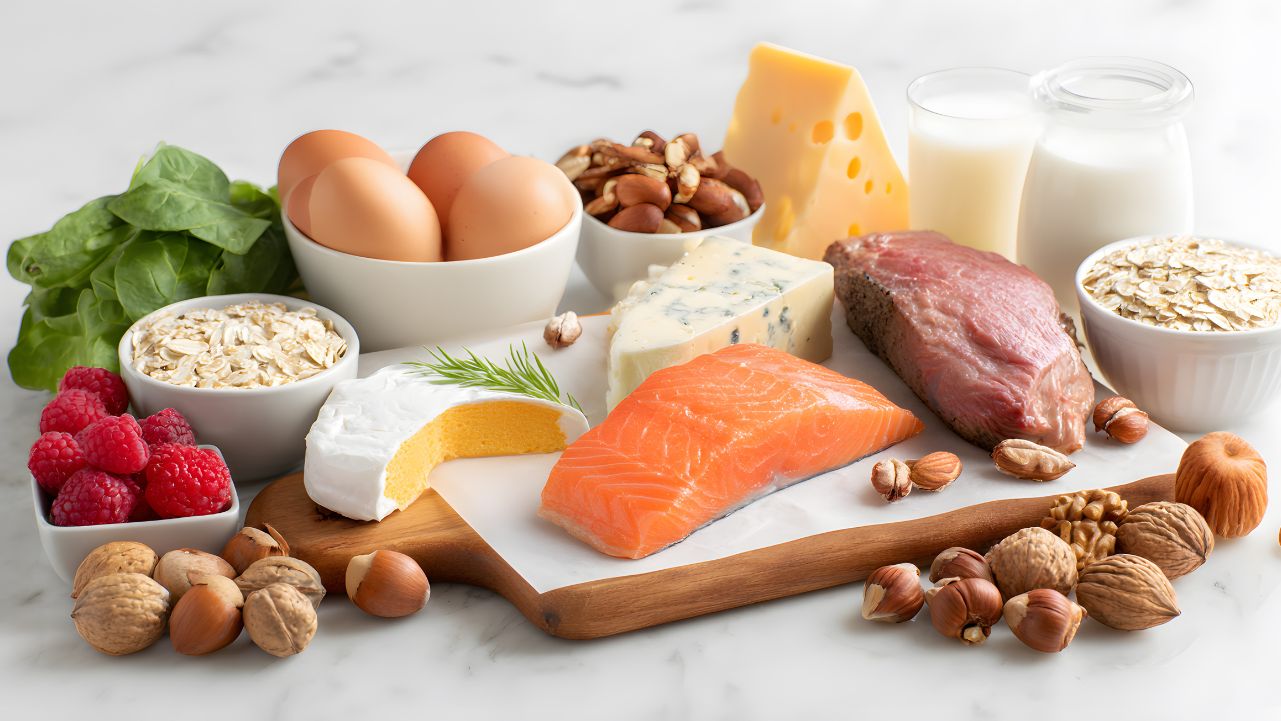
Fish gives you protein plus added health benefits.
Why it’s worth including:
Salmon is one of the most well-rounded protein options.
Why it’s a favorite:
These are great protein options when you need something fast, light, and filling.
Why they work:
Good choices:
According to the U.S. Food and Drug Administration, light tuna is a safer option for regular consumption due to lower mercury levels, especially for women.
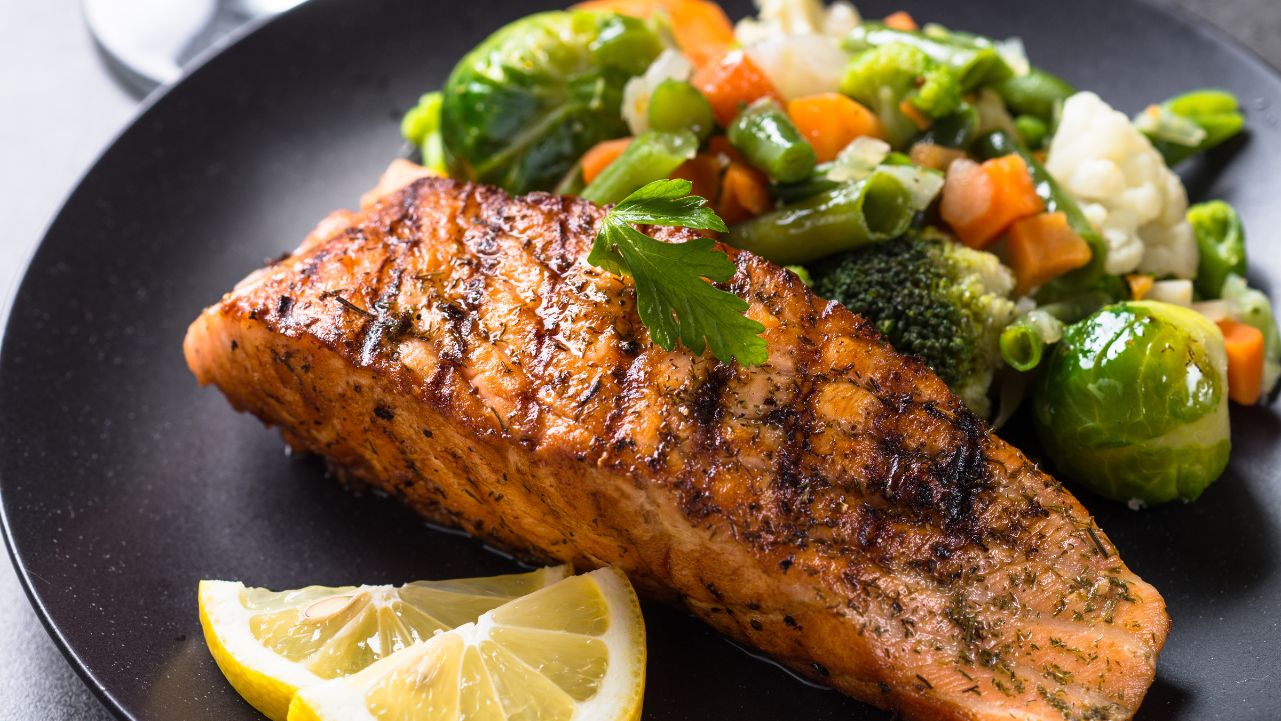
You don’t need to be vegan to benefit from plant-based protein.
Adding more plant proteins can support digestion, energy, and overall health—and they pair really well with an active lifestyle.
Why they’re worth including:
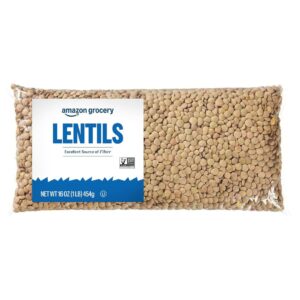
Legumes are affordable, filling, and easy to batch cook.
Key benefits:
These are especially helpful if you’re trying to stay full between meals without relying on constant snacking.
Soy-based proteins are some of the most complete plant-based options.
Why they’re solid choices:
Research referenced by the National Institutes of Health shows soy protein can support muscle health and overall nutrition when included as part of a balanced diet.
Nuts and seeds are small but mighty.
They add protein and important nutrients to meals and snacks.
Why they’re worth including:
Easy options to rotate in:
According to Harvard Health Publishing, nuts and seeds can support heart health and help keep meals more satisfying when eaten in balanced portions.
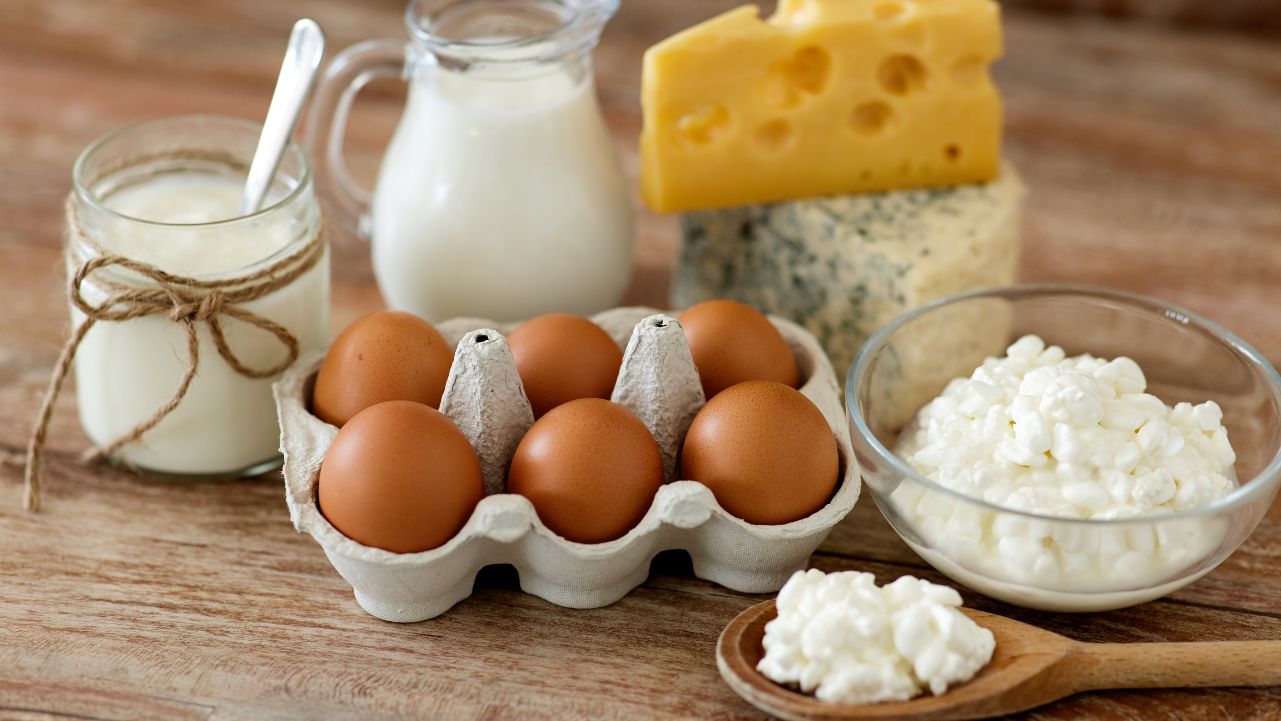
Dairy and eggs are classic protein staples for a reason.
They’re nutrient-dense, affordable, and easy to build meals around.
Why they work well:
Greek yogurt is one of the easiest ways to boost protein intake.
Key benefits:
Tip: Choose plain varieties to avoid added sugars.
The gut-health benefits of yogurt are supported by research from the National Institutes of Health, which highlights the role of probiotics in digestion and immune health.
Cottage cheese is a quiet protein powerhouse.
Why it’s helpful:
Eggs are one of the most versatile protein sources available.
Why they’re a staple:
Eggs are consistently highlighted by Harvard Medical School as a nutrient-dense food that fits well into a balanced, protein-forward diet.
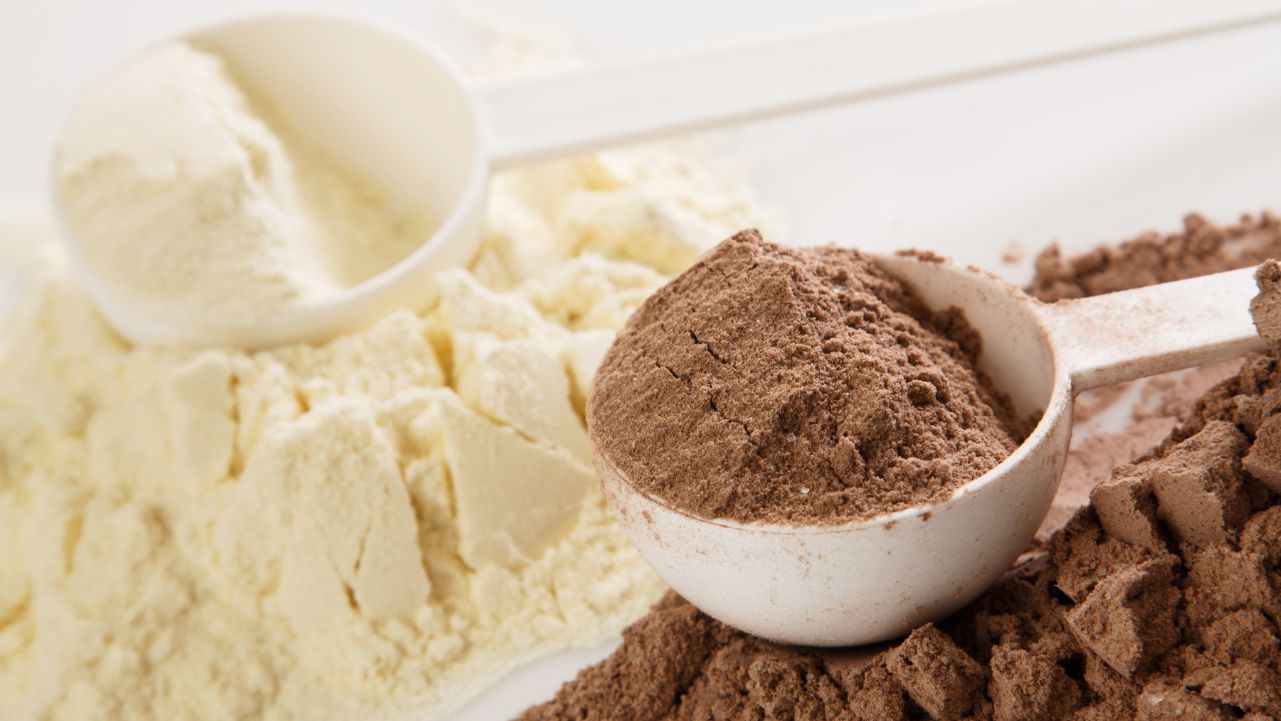
Whole foods should always come first.
But on busy days, protein supplements can make hitting your protein goals a lot easier.
Why they’re helpful:
One of the easiest ways to use them is in a smoothie. If that’s your go-to, check out my blog on Best Personal Blenders for options that fit real life.
Protein powders are one of the most flexible supplement options.
Common types:
Why they work:
That said, not all protein powders are created equal. Ingredient quality matters, especially if you’re using them regularly. If you want help choosing options with cleaner ingredients and minimal additives, I break it all down in my blog on Clean Protein Powders.
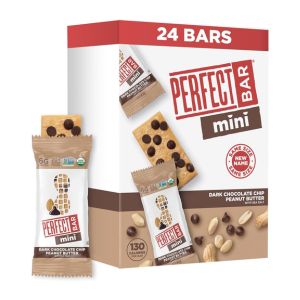
Protein bars can be helpful when you’re on the go—if you choose wisely.
What to look for:
According to the National Institutes of Health, protein-rich snacks can support satiety and help manage appetite between meals—making bars a useful option when whole foods aren’t accessible.
However, quality matters. Many bars look healthy but are loaded with fillers and sugar. If you want help finding options with cleaner ingredients, I break down my favorites in my blog on The Best Clean Protein Bars. And don’t miss my honest BUILT Bars review for my thoughts on this popular brand!




At the end of the day, protein isn’t about strict rules or eating the same foods every day. It’s about choosing options that fit your lifestyle and help you feel strong, energized, and supported. When you make protein a consistent part of your meals, you’re setting yourself up to feel better in your workouts and in everyday life—and that’s always the goal.
Your Friend & Pilates Expert,

Kayla Brugger
Founder of PILATESBODY by Kayla
Founder of PILATESBODY On-Demand