You have 0 items in your cart
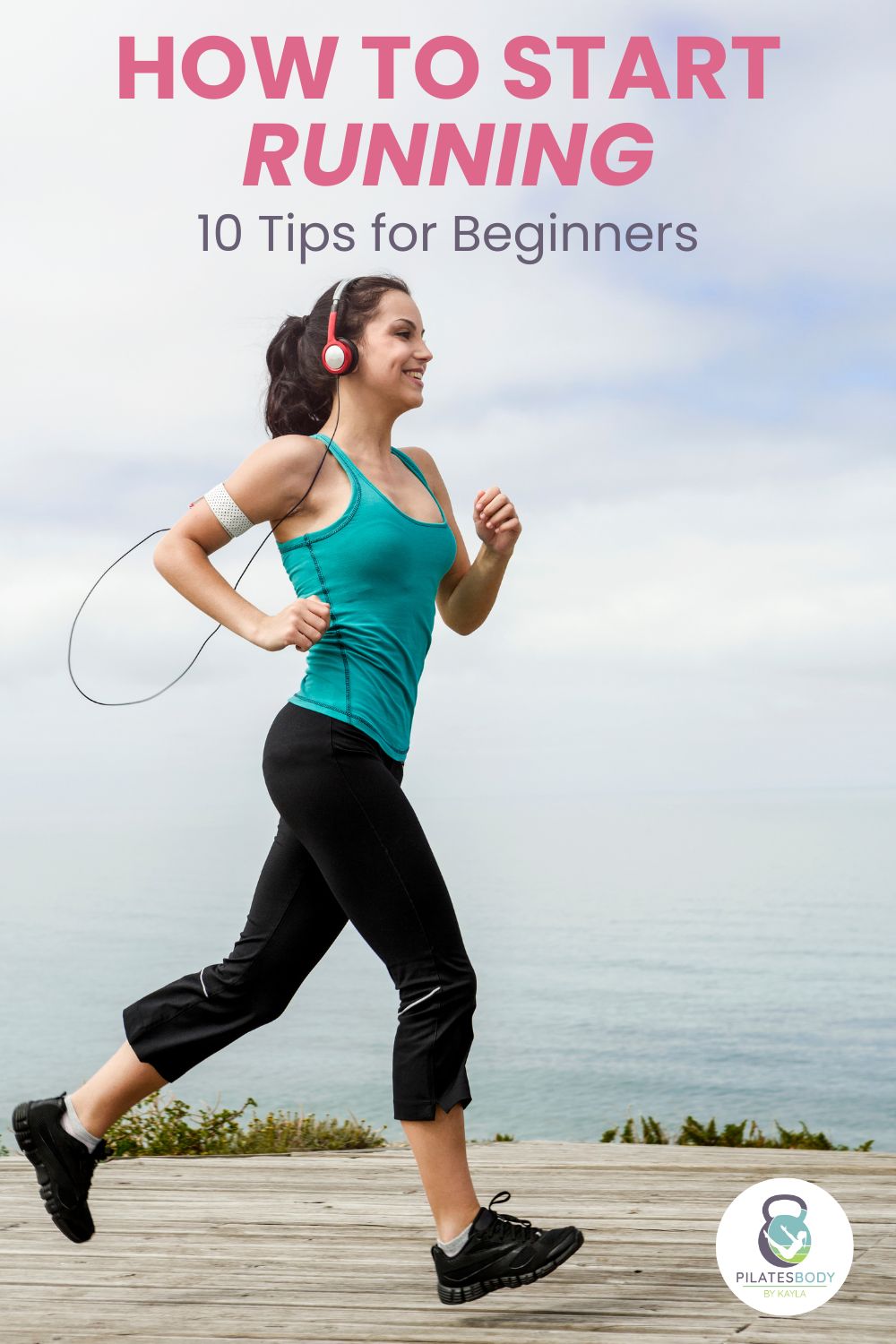
Perhaps the most challenging part of becoming a regular runner is getting started. Here, we offer tips for new runners to help them stick with it.

If you’re anything like me, your days are a blur of school drop-offs, coffee refills, and a never-ending to-do list. There were seasons when the idea of making time for myself felt laughable. But one thing that’s made a real difference in my energy, confidence, and overall mood is running. It’s simple—tie your shoes, step outside, and go. No class times, no equipment, and no long workouts, which is exactly why it fits into a busy life so well.
Starting can still feel overwhelming, especially if you don’t consider yourself “a runner.” And that’s okay. If you’ve ever wondered how to start running without turning your life upside down, this approach is for you. You don’t need to run far, fast, or perfectly to get started. With small, consistent effort, there will come a day when you realize you’re actually looking forward to your run instead of talking yourself out of it. Below are practical, realistic tips to help you start running in a way that fits your real life.
This post includes affiliate links. I do earn a commission for products purchased using these links (at no additional cost to you). Thank you for supporting PILATESBODY by Kayla, making the content you see on this blog possible.

Becoming a runner doesn’t require a perfect plan or a big time commitment. It’s more about building a simple routine that supports your body and fits into your everyday life. These running tips for beginners are designed to help you start slow, stay consistent, and feel confident as you ease into running in a way that actually works long-term.
Forget about running at first. Seriously. When I got back into fitness, I started by walking. Twenty to thirty minutes, a few days a week. Sometimes with a stroller. Sometimes with an audiobook. Sometimes just to get out of the house.
Walking gives your joints and muscles time to adjust, but more importantly, it helps you build the habit. That same simple approach is what led me to complete my 1,000-Mile Walking Challenge. Consistency matters far more than speed.
Once walking felt normal, I added short running intervals. One of my favorite ways to do this is running during the chorus of a song, then walking until the next chorus starts. For me, that was about 30 seconds at first, then back to walking. It keeps things simple, doable, and way less intimidating. You build gradually, and before you realize it, running actually starts to feel natural.
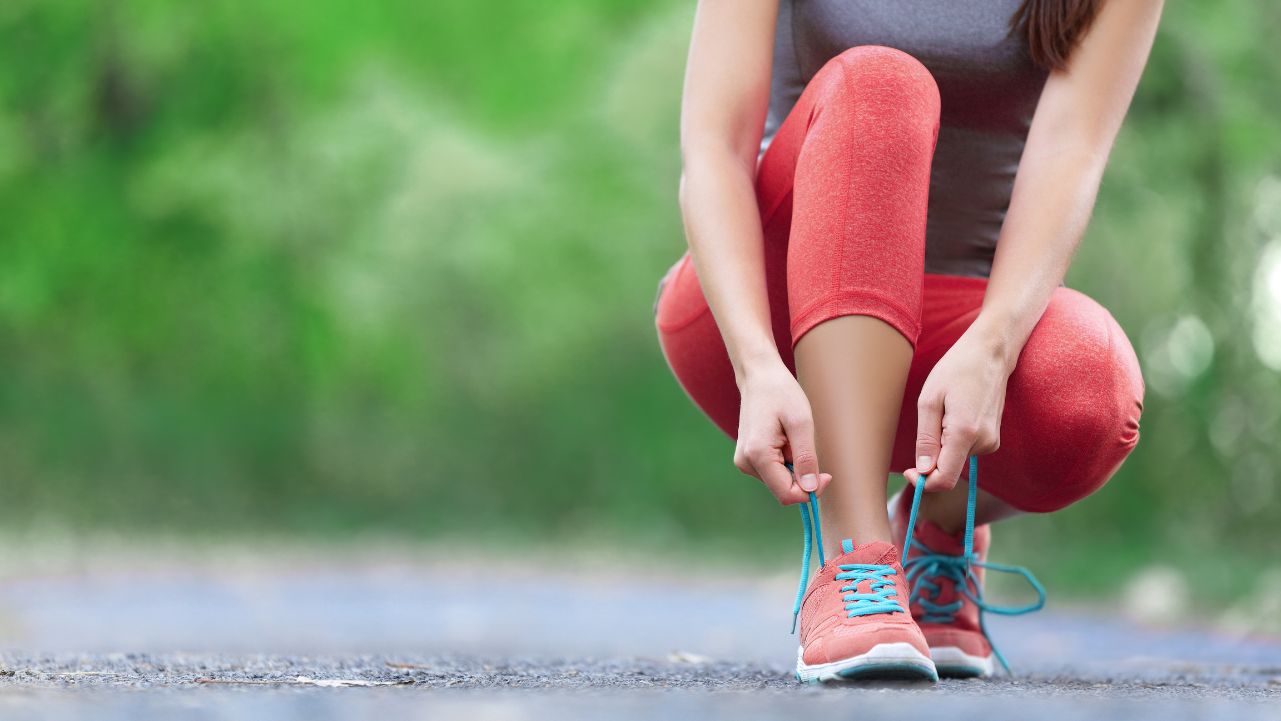
Don’t underestimate the power of good shoes. Ill-fitting shoes that aren’t made for walking and running can stress your feet and joints quickly, leading to blisters, aches, and unnecessary setbacks. If there’s one piece of equipment worth investing in, it’s your shoes.
Understanding the comparison of cushion and speed women’s running shoes is important to find the ideal pair for your feet. If you want options that work well for both walking and running, I break it all down in my blog Best Walking Shoes on Amazon for Concrete, Trails, and Treadmills. These are shoes I recommend because they offer the right balance of support and comfort, whether you’re walking most of your workout or adding short running intervals. Comfortable, supportive shoes help you stay consistent and reduce the risk of injury.
One of the biggest mistakes beginners make is setting goals that don’t match real life. It sounds great to plan five runs a week, but when kids get sick or schedules blow up, that plan falls apart fast.
Start small and make it doable. I aimed for twenty minutes, three days a week. Some days were more walking than running, and that still counted. This same flexible mindset is something I talk about more in A Flexible Approach to Workouts for Busy Moms: Small Steps, Big Impact—because progress comes from consistency, not perfection. Focus on showing up for the time, not the pace or distance, and momentum will build.
Accountability matters. Having someone to check in with can make all the difference, because if someone’s expecting you, you’re way more likely to show up.
That might look like a neighbor, a friend you text before and after your run, or even telling your partner your plan out loud. Some of my best runs have been pushing a stroller while chatting with another mom. And when schedules don’t line up, an audiobook or podcast still counts as company. Find what works for you—you don’t have to do this alone.
Timing matters when your schedule is already packed. The best time to run is simply the time you’ll actually do it. For me, that’s often a quick, slip-on-your-shoes-and-go run before the house wakes up. For others, it’s after dinner or during a work-from-home lunch break.
Look at your real schedule. What time feels doable even on your busiest days? Put it on your calendar and treat it like any other non-negotiable appointment.
One lesson I learned the hard way: running isn’t everything. I saw real progress (and fewer aches) when I mixed in strength and Pilates from home. Strengthening your glutes with Pilates offers many benefits, like decreasing knee pain, back pain, and improving posture.
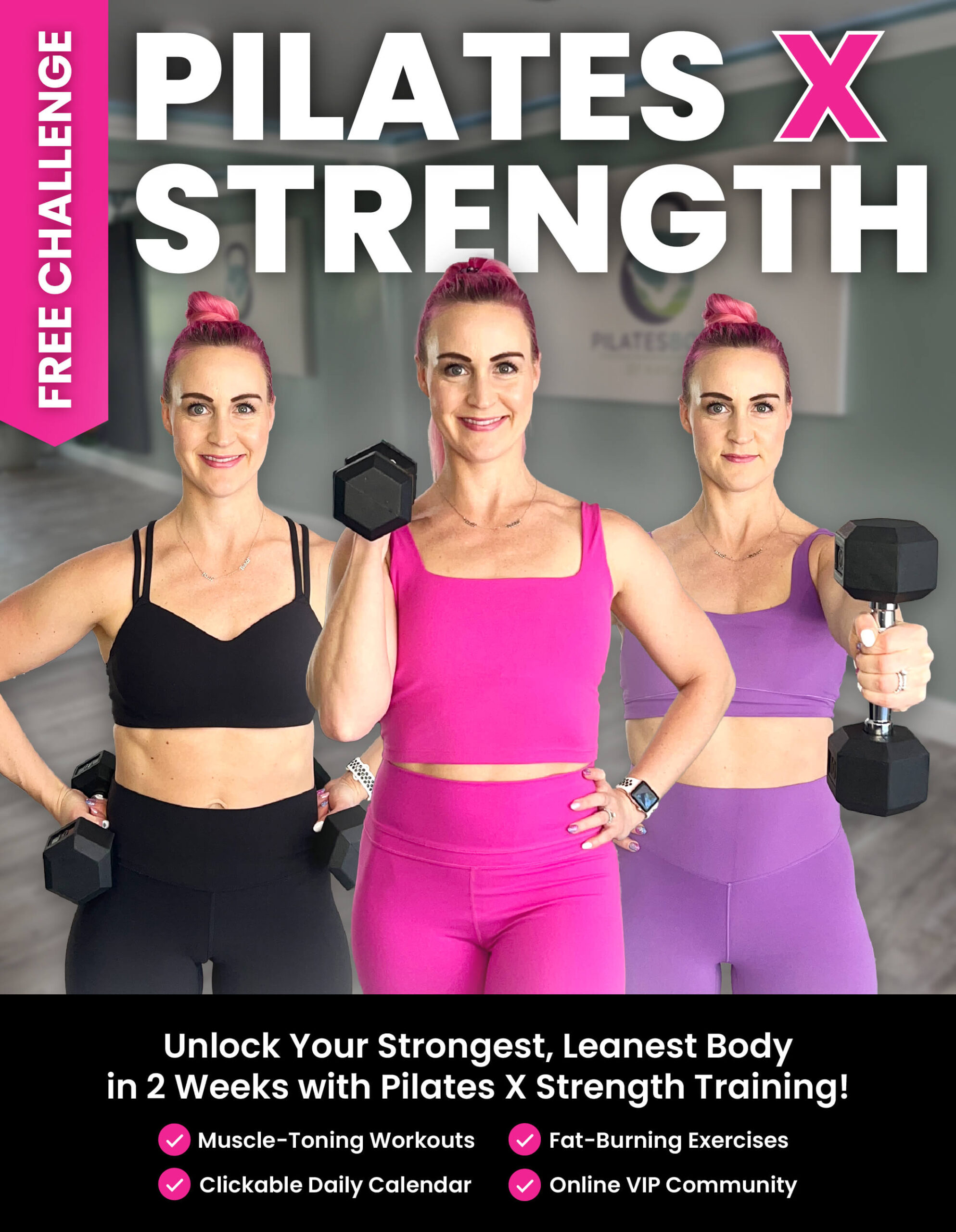
Your strength and Pilates workouts don’t need to be complex. A few rounds of bodyweight squats, lunges, glute bridges, or a quick Pilates x Strength YouTube video two days a week will do wonders. The stronger your core and hips, the easier running will feel, and the better you’ll bounce back for both your workouts and your kids.
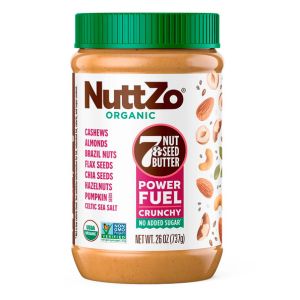
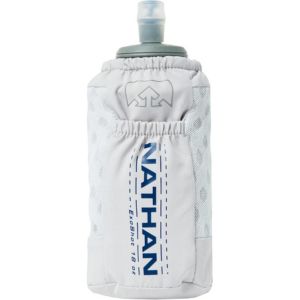
When life is busy, hydration is usually the first thing to slip. I keep a water bottle with me all day and grab a light snack before heading out—a banana or toast with nut butter works great. After running, I aim for protein (Greek yogurt is my go-to) plus some healthy carbs.
If you sweat a lot or feel drained after runs, electrolytes can help too. I break down my favorites in Post-Workout Hydration: The Best Electrolyte Supplements on Amazon. Staying fueled and hydrated helps you recover faster, feel better, and actually enjoy your next run.
Listen to your body. It’s so easy to buy into the “no pain, no gain” mindset, but honestly, rest is where the magic happens. If you’re feeling wiped out or something hurts in a way that doesn’t feel right, give yourself permission to sit it out or do something gentle like a Full Body Stretch and Mobility Workout.
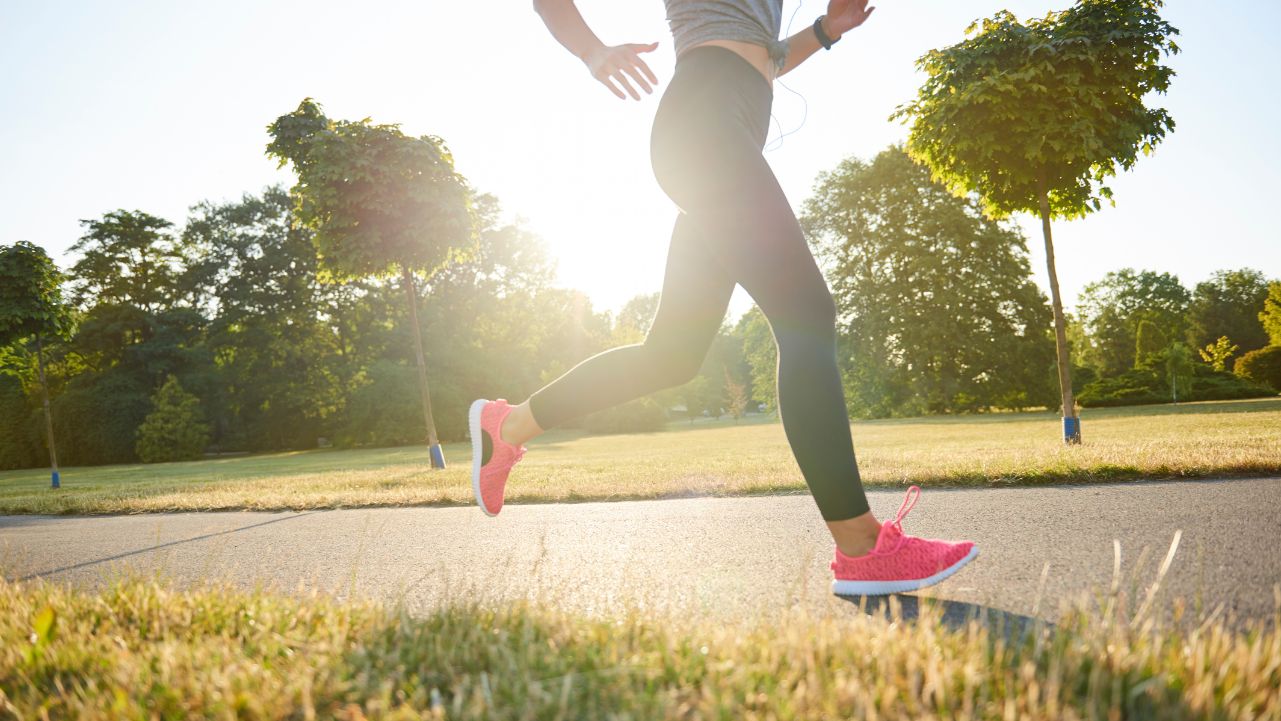
The reason I kept coming back to running—especially on hard days—was making it something I actually enjoyed. Some days that meant taking a new route just to look at houses. Other days it was zoning out to a true crime podcast or blasting a playlist that put me in a better mood.
This doesn’t have to feel intense or serious. You’re just moving your body. If it feels lighter and more fun, you’re far more likely to stick with it—and that’s what really matters.
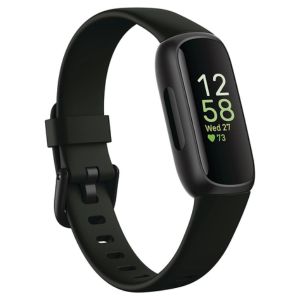
Tracking your progress matters more than you think. I tried keeping it all in my head at first, but once I started writing it down, consistency got a lot easier. Looking back and realizing you ran for an entire song without stopping or showed up every week for a month is a real confidence boost.
A simple journal or notes app works great, but running apps can help too. Apps like Strava let you see your friends’ runs for extra motivation, while Nike Run Club offers guided runs and coaching. You can also look back at previous routes and workouts, which makes it easier to see how far you’ve come—even when progress feels slow.
Yes. And you don’t need to jump straight into nonstop running. Starting with walking and short run intervals gives your body time to adjust and helps you ease back into movement without feeling overwhelmed.
Short workouts count more than you think. Fifteen to twenty minutes is plenty when you’re starting out, especially if you’re mixing walking and running. What matters most is showing up consistently.
Walking is a great place to begin. It builds endurance, supports your joints, and helps create a routine. Once walking feels comfortable, adding small running intervals will feel much more doable.
Two to three days a week is more than enough. This gives your body time to recover while still building strength and confidence. More isn’t always better when you’re just getting started.
Absolutely. Pairing running with Pilates and strength training helps support your core, hips, and posture, which often makes running feel better overall. This combo also helps reduce aches and keeps your body feeling strong instead of worn down.

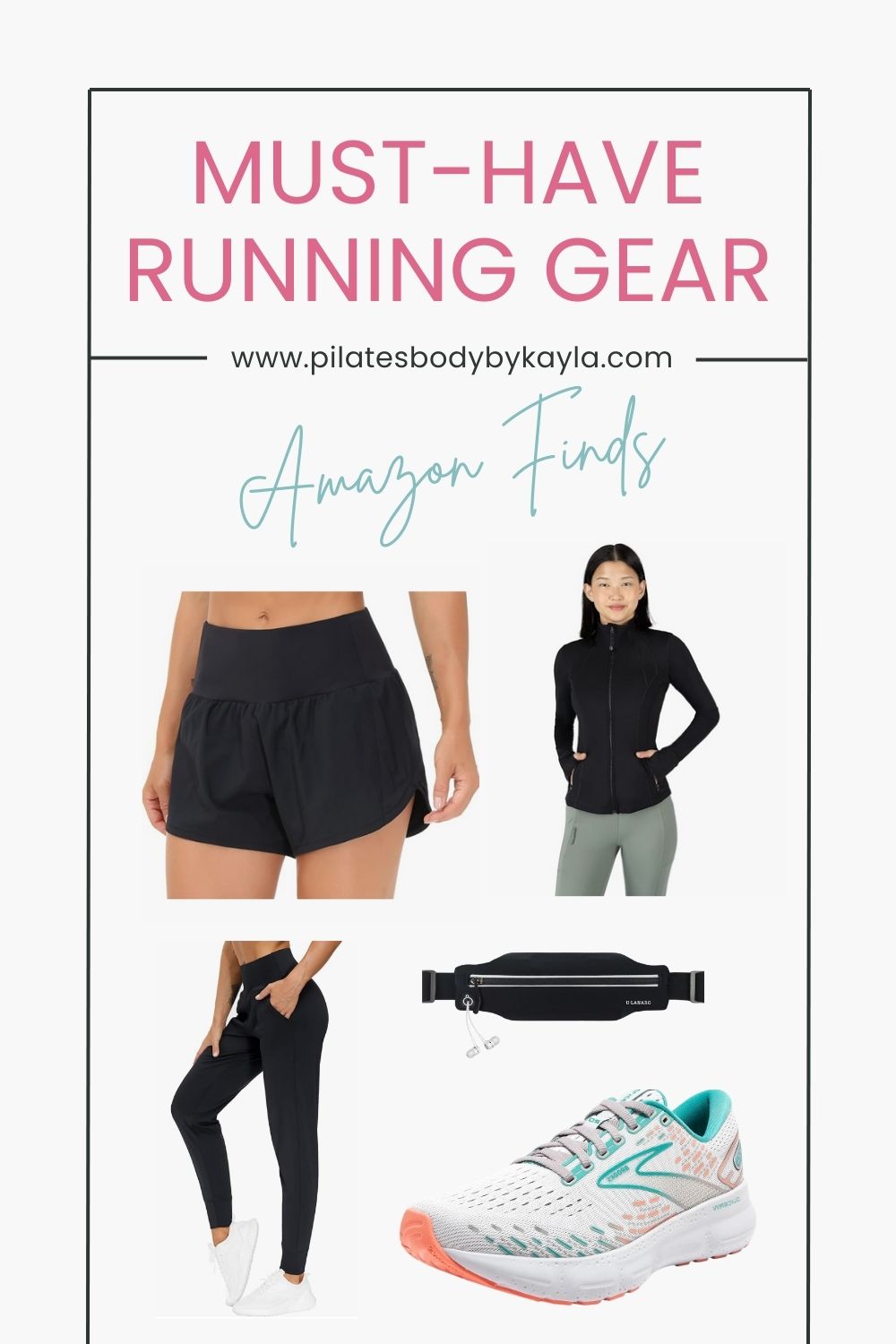
Starting running doesn’t require a lot of gear, but a few well-chosen essentials can make the process feel easier and more comfortable. These are my top beginner-friendly picks that support walking, running, and consistency—especially when you’re fitting workouts into a busy schedule.
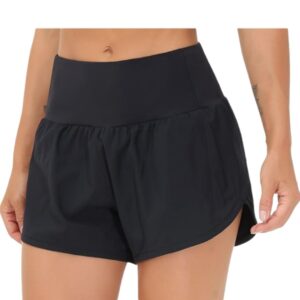
These lightweight running shorts are comfortable, breathable, and easy to move in — perfect for beginners easing into walking and running. They don’t feel restrictive, help prevent chafing, and work well for short runs, walks, or warm-weather workouts when you want something simple and functional.
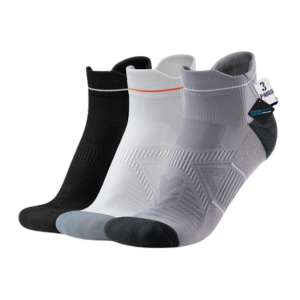
Compression socks are a great add-on for new runners looking to support circulation and reduce post-run soreness. They help your legs feel less heavy during walks and runs and can be especially helpful if you’re on your feet a lot or easing back into exercise.
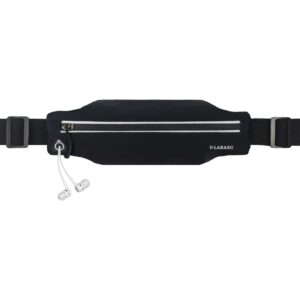
This slim running belt fanny pack is perfect for walks and runs when you want to go hands-free without bulky gear. It sits comfortably around your waist, holds your phone, keys, and cards securely, and stays put without bouncing or digging in. It’s a simple, practical option for new runners who want convenience, comfort, and one less thing to think about when heading out the door.
The Brooks Glycerin 20 is a solid choice for beginners who want cushioning and comfort without feeling stiff or bulky. These shoes work well for both walking and running, offering plenty of support for longer walks and smooth transitions during run intervals. A great option if comfort is your top priority.

These wireless earbuds make walks and runs more enjoyable without dealing with cords. They stay secure, offer great sound quality, and are perfect for listening to music, podcasts, or guided runs while staying hands-free and focused on your workout.
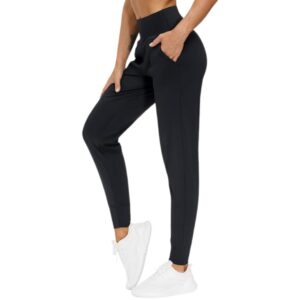
These lightweight joggers are comfortable enough for lounging but functional enough for walking, running, and workouts. They offer a relaxed fit without feeling sloppy and are a great option if you prefer something looser than leggings while still feeling put together.
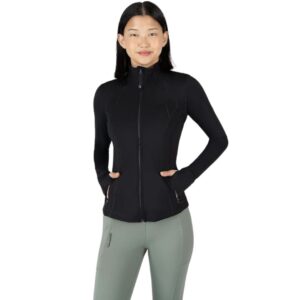
This lightweight zip-up jacket is ideal for early morning runs, breezy walks, or layering during cooler weather. It’s breathable without feeling bulky and easy to throw on when temperatures change mid-workout. A practical layer for beginners who want comfort without overheating.



Here’s what I’d tell any friend: start where you are. Give yourself grace. Even five or ten minutes counts. You don’t need to be fast or go far for this to matter. This is about taking care of yourself, feeling stronger in your body, and showing up with more energy and confidence.
You’re already balancing a lot, and you deserve a routine that actually fits your life. Running isn’t about perfection—it’s about consistency. Some days will feel great, others won’t, and that’s normal. The next time you’re debating whether you have the time or energy, remember you don’t need to change everything at once. Lace up your shoes, step outside—even if it’s just your driveway—and count that as a win.
Your Friend & Pilates Expert,

Kayla Brugger
Founder of PILATESBODY by Kayla
Founder of PILATESBODY On-Demand