Pilates is a great way to build strength, improve mobility, and stay active at home—but proper form and preparation matter. These tips for keeping safe while doing Pilates cover everything from warming up and breathing to choosing the right equipment, recognizing pain, and progressing at a pace that works for your body.
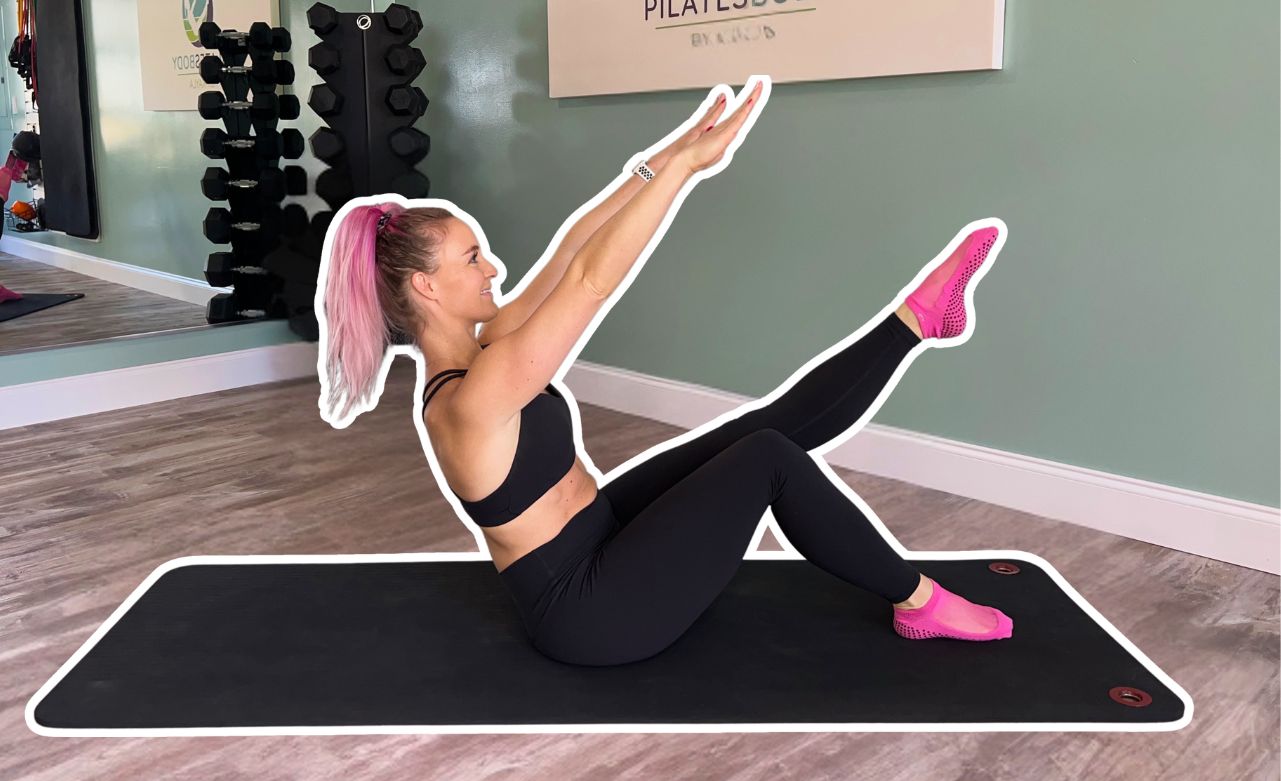
Pilatesbody by Kayla's tips for keeping safe while doing Pilates

Important Tips for Keeping Safe While Doing Pilates

I love Pilates because it gives me a way to build strength, improve my posture, and move my body without spending hours in the gym. As a busy mom and Pilates instructor, I also know how tempting it can be to rush through a workout or skip the basics when time is limited.

That’s why it’s important to prioritize safety every time you step on the mat. These important tips for keeping safe while doing Pilates will help you improve your form, reduce your risk of injury, and build a practice you can enjoy for years to come.

If you’re new to Pilates, be sure to check out my guide, What Is Pilates, Really? to learn the fundamentals before getting started.

This post includes affiliate links. I do earn a commission for products purchased using these links (at no additional cost to you). Thank you for supporting PILATESBODY by Kayla, making the content you see on this blog possible.

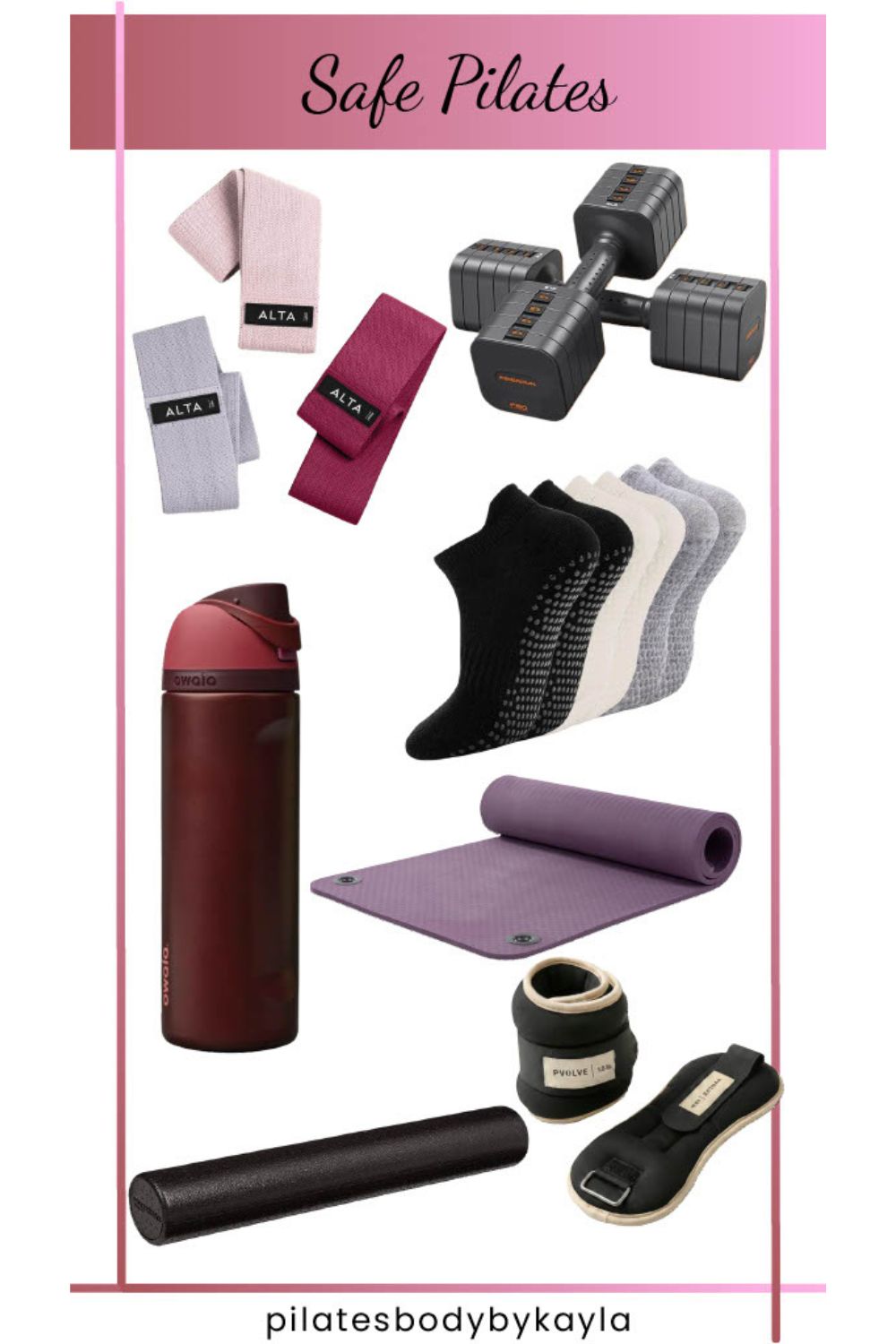
The best products for a safe Pilates practice

Prepare Your Body Before You Begin

It can be tempting to jump right into your workout when you only have 20 or 30 minutes to yourself. However, taking just a few minutes to warm up helps prepare your joints, muscles, and core for the movements ahead. You’ll likely feel stronger, move more comfortably, and reduce your risk of injury as your workout becomes more challenging.

A warm-up is also a great time to check in with your body. Maybe you didn’t sleep well, your muscles are sore from yesterday’s strength workout, or you’ve been carrying a toddler around all morning. Those little aches and tight spots are your body’s way of telling you to modify a movement or slow things down. Listening to those signals isn’t a setback, it’s one of the best ways to stay consistent with Pilates.

If you’re not sure how to warm up before your workout, try my 5-Minute Wall Pilates Warm-Up on YouTube. If your body is feeling especially tight, my 15-Minute Pilates Restorative Stretch and Flow is another great option to improve mobility and help you move more comfortably before or after your Pilates session.

Focus on Form Before Intensity

Pilates isn’t about doing the most reps or choosing the hardest variation. It’s about moving with control. Every exercise is designed to strengthen specific muscles, so proper alignment and quality movement matter far more than speed.

As you move through each exercise, pay attention to your posture, breathing, and core engagement. If you notice your shoulders creeping toward your ears, your lower back arching, or you’re relying on momentum instead of muscle control, it’s a good sign to reduce your range of motion or choose an easier variation.

One of my favorite tips for improving your form at home is to record yourself occasionally. Watching your movement from a different angle can reveal things you don’t notice in the moment. Just remember that everyone’s body is different. Your mobility, limb length, and experience may not look exactly like your instructor’s, and that’s okay. Focus on moving well rather than moving perfectly.

If you’re new to Pilates, I recommend starting with my Mat Pilates Basics Beginner Workout on YouTube to learn proper alignment and movement patterns before progressing to more advanced classes. If maintaining core engagement is a challenge, my 10-Minute Pilates Deep Core Workout with the Foam Roller can help you strengthen the deep core muscles that support good posture and safer movement during Pilates.

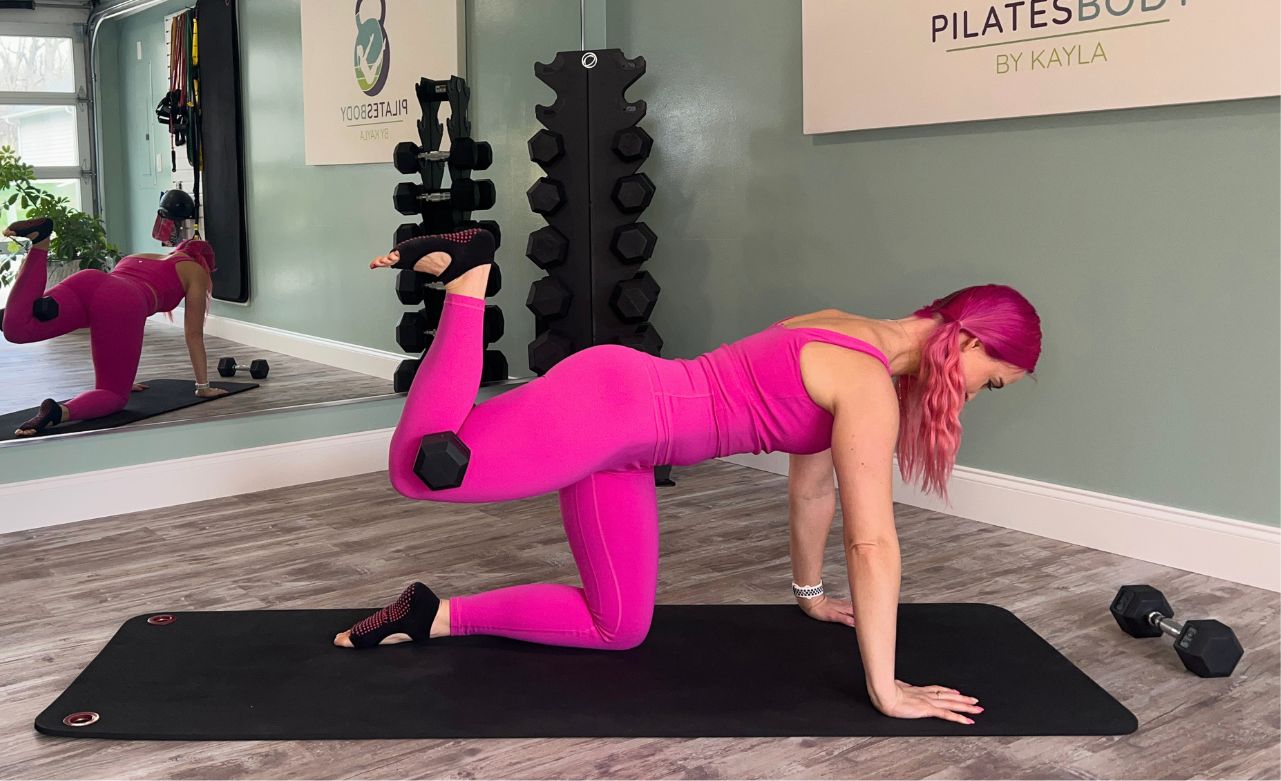
Woman wearing pink doing Pilates on a mat with dumbbells

Listen When Your Body Signals Discomfort

It’s normal to feel your muscles working during Pilates, but sharp pain, numbness, or dizziness is something you should never ignore. If a movement doesn’t feel right, stop and reassess. Pushing through pain can turn a minor issue into an injury that keeps you away from the workouts you enjoy.

Remember that your body changes from day to day. Maybe you didn’t sleep well, you’re recovering from yesterday’s workout, or you’re navigating pregnancy or postpartum recovery. There’s no shame in modifying an exercise or taking a break when your body needs it. In fact, that’s often the smartest choice you can make.

If you’re pregnant or returning to exercise after having a baby, be sure to follow workouts specifically designed for your stage of pregnancy or recovery. My 28-Day Prenatal Pilates Challenge is a great place to start if you’re expecting and want safe, guided workouts created with pregnancy in mind. If you’re recovering from an injury or managing chronic pain, consider working with a qualified Pilates instructor or healthcare professional who can recommend modifications based on your individual needs.

Listening to your body isn’t a sign of weakness, it’s one of the best ways to build a sustainable fitness routine that supports you for years to come.

Breathe Throughout Every Exercise

Another important tip for keeping safe while doing Pilates is to breathe through every exercise. Proper breathing helps you stay focused, encourages deep core engagement, and allows your body to move with greater control. Try to avoid holding your breath during challenging exercises, as this can increase tension in your neck, shoulders, and jaw while making movements feel more difficult than they need to be.

Before you begin your workout, take a few slow, intentional breaths to help your mind and body transition into movement. Those few deep breaths can help you shift your focus away from the distractions of the day and into the present moment.

If you’re still learning how to coordinate your breath with movement, don’t worry—it becomes more natural with practice. Following a guided class, like my 10-Minute Beginner Pilates Core Breathing & Pilates Basics Workout on YouTube, can help you learn when to inhale and exhale while building confidence in your Pilates practice.

Create Enough Room to Move Safely

One of the best things about Pilates is that you don’t need a large home gym to get an effective workout. However, you do want enough space to fully extend your arms and legs without bumping into furniture, walls, or anything else that could become a tripping hazard. Before you press play, take a quick look around your workout area and move anything that could get in your way—including toys, shoes, or pet beds.

Even if you’re working out in a small room, a few simple adjustments can make your space feel much more functional. If your bedroom doubles as your workout area, consider maximizing your interior space with a Murphy bed to create more room for movement. Keeping your resistance bands, ankle weights, sliders, and dumbbells organized in a nearby basket also makes it easier to start your workout without searching for equipment or cluttering your exercise space.

For more ways to make your workouts feel enjoyable and organized, check out my blog Pilates Space Ideas: 9 Easy Ways to Create a Pilates Gym at Home. It includes simple tips for creating a functional home workout space, no matter how much room you have available.

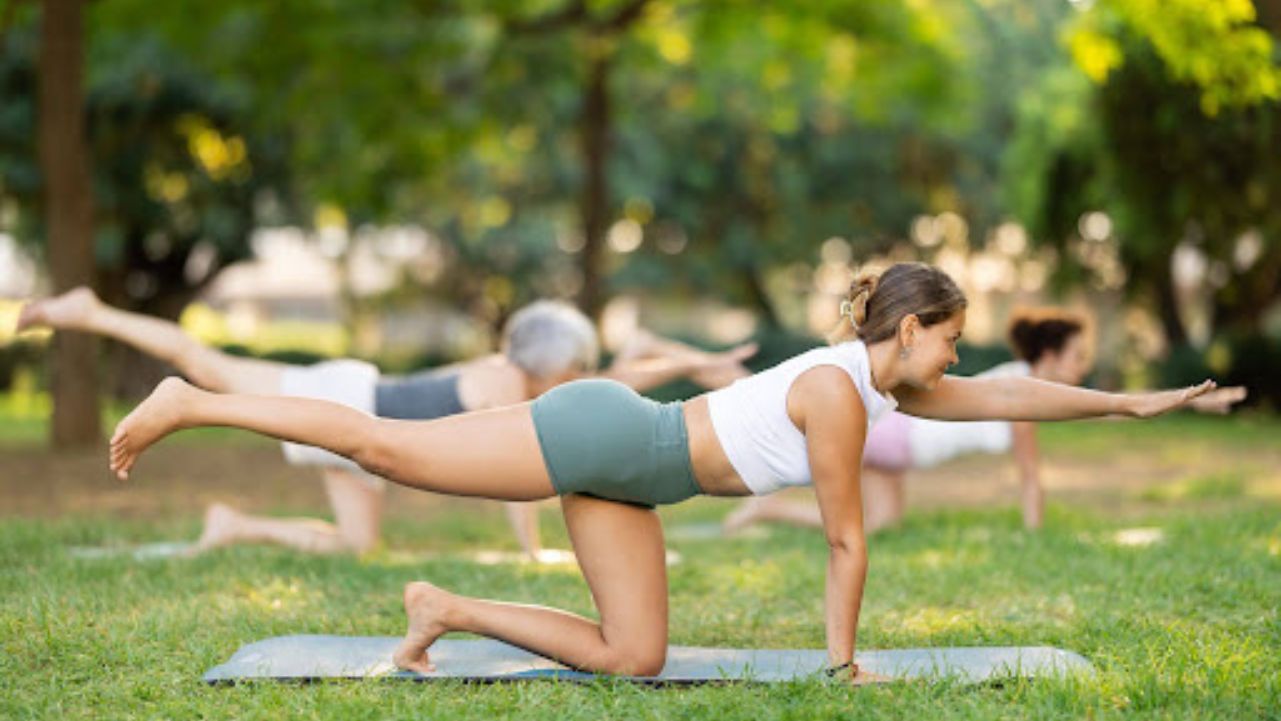
Women doing safe Pilates in the park

Avoid Exercising While Lightheaded

If you feel dizzy, faint, or unusually weak, it’s best to postpone your Pilates workout until you’re feeling better. While it can be frustrating to miss a planned session, pushing through lightheadedness can increase your risk of falling or injury. Instead, sit or lie down, drink some water, and give your body time to recover before deciding whether it’s safe to exercise.

Lightheadedness can sometimes be a sign that your body needs more fuel or hydration. Eating balanced meals, staying hydrated, and replenishing electrolytes after exercise can help support your energy levels and recovery. My blogs on Foods That Can Help Improve Your Exercise Performance and Post-Workout Hydration: The Best Electrolyte Supplements cover how proper fueling and hydration can help you feel stronger before, during, and after your workouts.

Remember, one missed workout won’t derail your progress. Listening to your body today helps you return stronger and more safely tomorrow.

Choose Supportive Equipment and Progress Gradually

The right equipment can make your Pilates workouts both safer and more enjoyable. Start with a supportive Pilates mat that cushions your spine and joints without being so soft that it affects your balance. If you’re exercising on hardwood or tile floors, grip socks can provide extra stability, although many people prefer bare feet for better connection with the floor.

When you’re ready to add resistance, don’t feel like you need to jump straight to heavier weights or advanced exercises. Whether you’re using light dumbbells, resistance bands, or ankle weights, focus on mastering proper form before increasing the challenge. Choosing a beginner variation or lighter resistance doesn’t make your workout any less effective—it helps you build the strength and control needed to safely progress over time.

My blog on the 10 Best Pilates Equipment for At Home Workouts walks through the essentials for building an effective home Pilates setup. And if you’re ready to combine Pilates with progressive strength training, my Pilates X Strength Challenge shows you how to safely increase resistance while maintaining great form for long-term results.

Remember, building strength isn’t about rushing to the hardest workout. Consistently mastering the fundamentals will always take you further than progressing before your body is ready.

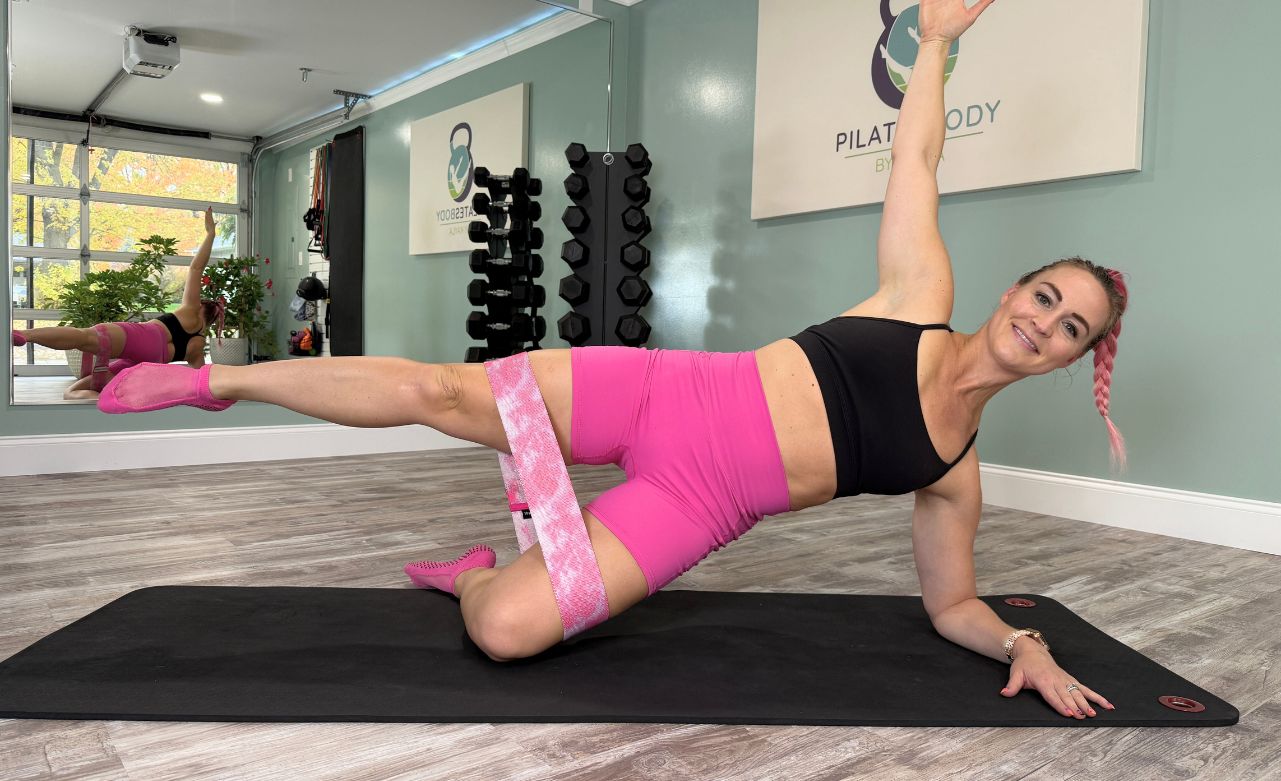
Woman doing Pilates on a mat with a resistance band

FAQ about Safe Pilates

What are the most common Pilates mistakes?

Some of the most common mistakes include rushing through exercises, holding your breath, arching your lower back, skipping your warm-up, and attempting advanced movements before mastering the basics. Slowing down and prioritizing good form will help you get better results while staying safe.

What should I do if an exercise hurts during Pilates?

You should never push through sharp pain, numbness, or dizziness. Stop the exercise, assess how you’re feeling, and modify the movement if needed. On the other hand, it’s completely normal for your muscles to feel fatigued, shaky, or challenged during Pilates, especially when you’re working your deep core or holding an exercise for longer periods. The key is learning the difference: muscle fatigue is a sign your muscles are working, while sharp or sudden pain is a signal to stop.

Do I need special equipment to do Pilates safely at home?

Not at all. A supportive Pilates mat and enough open floor space are all you need to get started. As you become stronger, you can gradually add equipment like resistance bands, light dumbbells, or ankle weights to increase the challenge while maintaining proper form.

Is it okay to do Pilates every day?

For most healthy adults, yes. Pilates is gentle enough to be practiced several days a week, especially when you vary the intensity of your workouts. Just remember to listen to your body, allow time for recovery when needed, and take rest days if you’re feeling overly fatigued or sore.

How can I improve my Pilates form at home?

Start with beginner-friendly workouts that explain proper alignment and breathing. Moving slowly, using a mirror or recording yourself occasionally, and choosing quality movement over more repetitions will help you build better technique and confidence over time.

Safe Pilates Essentials for At-Home Workouts

At-Home Pilates Gear I Actually Use – My Top Picks

The right equipment can make your at-home Pilates workouts feel safer, more comfortable, and more effective. From a supportive mat and grip socks to resistance equipment and hydration essentials, these are some of my favorite products for creating a safe Pilates routine and progressing with confidence.

  1. Pilates Mat
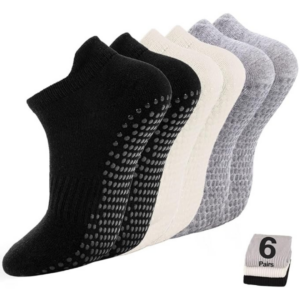
  2. Pilates Grip Socks
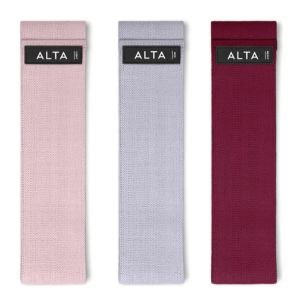
  3. Resistance Bands
  4. Ankle Weights
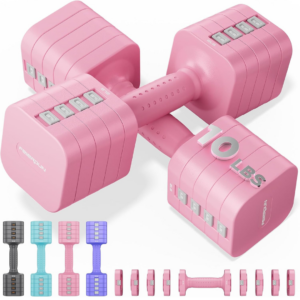
  5. Adjustable Dumbbells
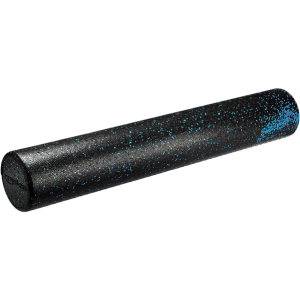
  6. Foam Roller
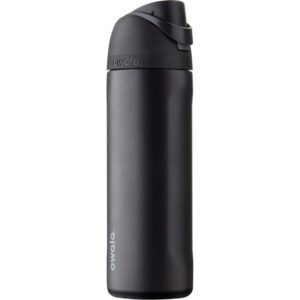
  7. Owala Water Bottle

A supportive, cushioned mat can make floor exercises much more comfortable, especially for your spine, knees, and hips. This is a great foundation for creating a safe Pilates workout space at home.

Grip socks give you extra traction during standing exercises, planks, and transitions. They’re especially helpful if you practice on hardwood or other slippery surfaces.

Resistance bands are an easy way to add more challenge to Pilates exercises without taking up much space. I love them for targeting the glutes, hips, and legs while keeping movements controlled.

These lightweight ankle weights add just enough resistance to make your favorite Pilates exercises more challenging. The 1.5-pound weight is also a great option when you want to progress without sacrificing form or control.

Adjustable dumbbells make it easy to increase resistance as you get stronger without needing an entire rack of weights. Gradually increasing your load while maintaining good form is an important part of a safe Pilates and strength routine.

A foam roller is one of my favorite tools because you can use it for both Pilates exercises and recovery. Use it to challenge your core and stability during workouts or to work on tight, tired muscles afterward.

Keeping a water bottle within reach is a simple reminder to stay hydrated throughout the day. I love the Owala because it’s leakproof, easy to carry, and makes drinking more water effortless.

Select Instruction That Matches Your Experience

Not every Pilates class is designed for every fitness level, so choose workouts that match your current experience and offer exercise modifications when needed. A good instructor will explain proper form, remind you about alignment and breathing, and encourage you to listen to your body instead of pushing through pain.

If you’re just getting started, begin with beginner-friendly workouts before moving on to intermediate or advanced classes. Building a strong foundation will help you feel more confident, improve your technique, and reduce your risk of injury as exercises become more challenging. My 28-Day Wall Pilates Beginner Challenge is a great place to start if you’re new to Pilates. The guided progression helps you build strength, improve your form, and gain confidence one workout at a time.

Remember, Pilates isn’t about keeping up with the instructor on the screen—it’s about moving in a way that feels safe and effective for your body. By choosing the right classes, warming up properly, focusing on good form, and progressing at your own pace, you’ll build a Pilates practice that supports your strength, mobility, and overall well-being for years to come.

Your Friend & Pilates Expert,

signature-01

Kayla Brugger
Founder of PILATESBODY by Kayla
Founder of PILATESBODY On-Demand

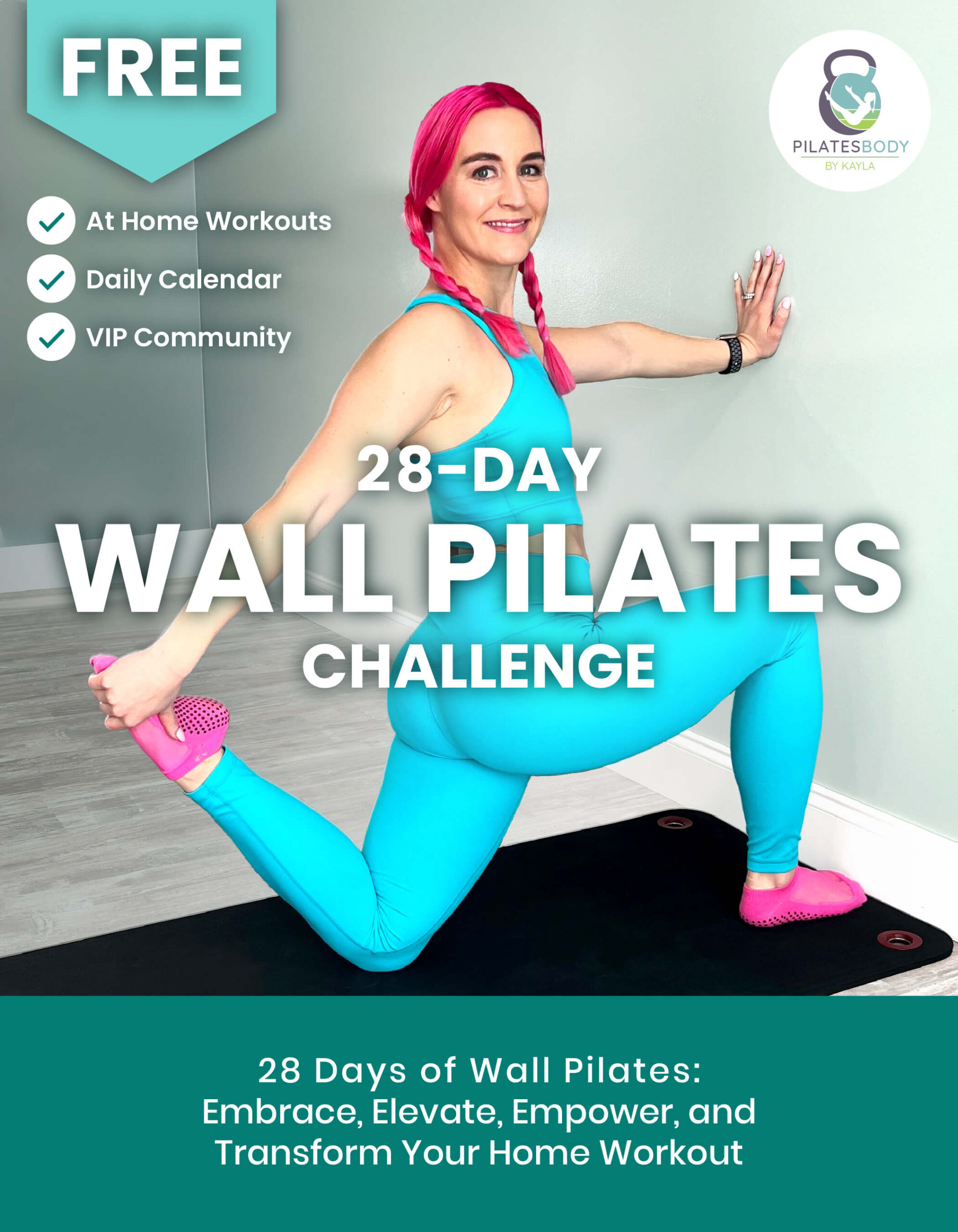
Free 28-Day Wall Pilates Challenge

28 Days to transform your habits with this beginner, full body Wall Pilates program. Reshape your mind-body connection in just 15 minutes a day. Download your Free Pilates Workout Calendar PDF to get started today!

Free 28-Day Wall Pilates Challenge on YouTube - Transform Your At Home Pilates Workouts - PILATESBODY by Kayla

Free 28-Day Wall Pilates Challenge

28 Days to transform your habits with this beginner, full body Wall Pilates program. Reshape your mind-body connection in just 15 minutes a day. Download your Free Pilates Workout Calendar PDF to get started today!