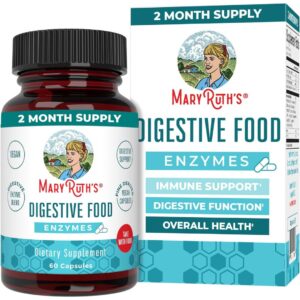
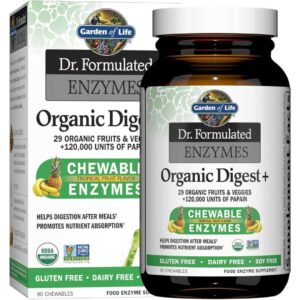
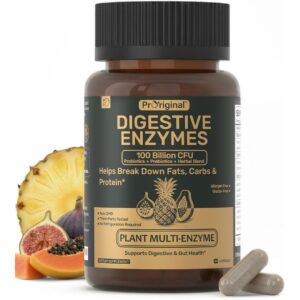
What is the main difference between digestive enzymes and probiotics?
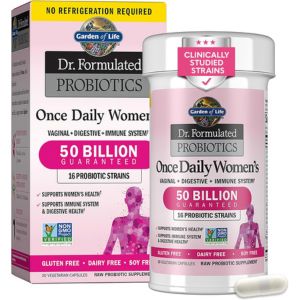
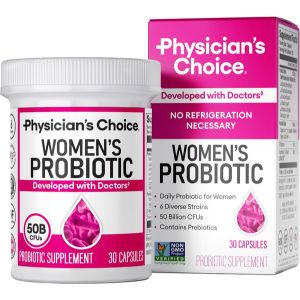
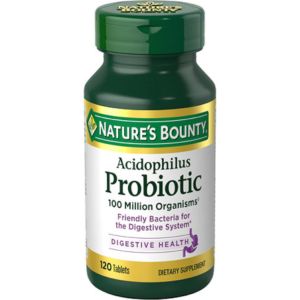
The simplest way to explain it is this: digestive enzymes help you break food down, while probiotics help support the balance of bacteria in your gut. Enzymes work on the meal you’re eating. Probiotics work more behind the scenes over time. Different jobs, different benefits.
Are digestive enzymes considered gut health supplements?
Yes. Digestive enzymes fall under the gut health supplements umbrella, but they support digestion in a very specific way. Instead of changing gut bacteria, they help your body break food down more efficiently so nutrients can be absorbed.
Should I take digestive enzymes or probiotics for bloating?
It depends on when the bloating shows up. If bloating happens shortly after meals, digestive enzymes are often a better place to start. If bloating feels more constant or unrelated to meals, probiotics may be more helpful. And for some people, a combination makes the most sense.
Can I take digestive enzymes every day?
Many people do, especially during periods of stress or when digestion feels off. Digestive enzymes are typically taken with meals and work meal by meal—they don’t build up in your system. Paying attention to how your body responds is key.
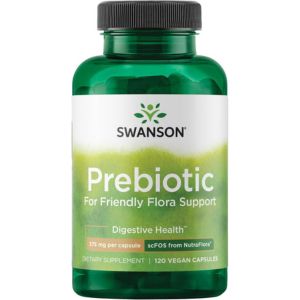
Do probiotics and prebiotics work better together?
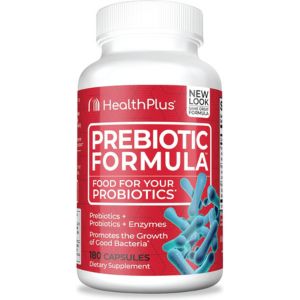
Yes. Probiotics introduce beneficial bacteria, and prebiotics help feed and support those bacteria. Think of probiotics as the plants and prebiotics as the fertilizer. Together, they’re more effective than either one on its own.