You have 0 items in your cart
Want to strengthen your immune system naturally? In this blog, I highlight the top vitamins for immune system support and share my favorite clean supplements that help boost energy, resilience, and overall health.


Taking care of your immune system isn’t just about avoiding sickness, it’s about feeling energized, balanced, and ready to take on your day. As a mom juggling family, work, and workouts, I know firsthand how easy it is to let stress, lack of sleep, or a busy schedule weaken your body’s defenses. That’s why I’ve become so intentional about supporting my health with the best vitamins for immune system support.
In this blog, I’ll walk you through the top vitamins for immunity, how to incorporate them into your lifestyle, and simple daily habits that act as natural immune boosters. I’ll also share some of my favorite products and personal tips to make it easier for you to stay well all year long. Whether you’re looking for the best natural vitamins for women or just want more consistent energy, these strategies can help you build a strong foundation for health.
This post includes affiliate links. I do earn a commission for products purchased using these links (at no additional cost to you). Thank you for supporting PILATESBODY by Kayla, making the content you see on this blog possible.
Your immune system is your body’s natural defense team, working around the clock to protect you from viruses, bacteria, and other invaders. When it’s strong, you’re less likely to get sick—and when you do, you may recover faster. But modern life often works against us. Stress, lack of sleep, poor nutrition, and even environmental toxins can weaken immunity, making it harder to stay well. If stress is what seems to throw you off balance most, my blog on Stress Management for Overwhelmed Moms breaks down easy ways to calm your body and strengthen your immunity.
As a busy mom, I’ve felt this firsthand. Those weeks when my sleep is off, my stress is high, and suddenly every cold my kids bring home seems to hit me too. It’s a reminder that supporting immunity isn’t just about avoiding illness. It’s also about having the energy and resilience to keep up with everything life throws your way.
That’s where vitamins for immune system support come in. These essential nutrients act as natural immune boosters, helping your body produce white blood cells, repair tissues, and fight off illness. Whether you’re looking for natural immune support during cold and flu season or building a year-round wellness plan, focusing on the right vitamins can make a big difference.

When it comes to staying healthy, I’ve learned that sometimes it’s the basics that make the biggest difference. After a long stretch of back-to-back colds one winter, I realized my diet wasn’t giving me all the nutrients my immune system needed. Once I became more intentional about getting the right vitamins consistently—whether through food or supplements—I noticed I bounced back faster and didn’t feel run down as often.
Below are some of the most important vitamins for immune system support. Each one plays a unique role in keeping your body strong, resilient, and ready to fight off whatever comes your way.
Often called the classic “immune vitamin,” Vitamin C plays a critical role in fighting infections. It supports white blood cell production and protects cells from oxidative damage. Research from the National Institutes of Health shows that Vitamin C may reduce the duration and severity of colds when taken consistently.
Personally, I try to load up on oranges and bell peppers during the winter. It’s an easy way to sneak Vitamin C into snacks and meals my kids actually enjoy too.
Known as the “sunshine vitamin,” Vitamin D helps regulate immune cell activity. Unfortunately, many adults—especially women—are deficient, particularly during the winter months. Studies from the Harvard T.H. Chan School of Public Health have linked Vitamin D deficiency with an increased risk of infections.
Living in the Midwest, I notice my energy dips during darker months, so I pay extra attention to my Vitamin D intake—whether that’s more time outdoors when I can, or a supplement when sunshine is scarce.
Vitamin A supports mucosal barriers in the respiratory and digestive tracts—your body’s first line of defense against pathogens. It also plays a role in the development of immune cells. According to the National Institutes of Health, adequate Vitamin A intake is essential for a strong and responsive immune system.
One of my go-to meals for Vitamin A is roasted sweet potatoes—simple, cozy, and kid-approved. I also love making them as fries in the air fryer. Check out my Air Fryer Sweet Potato Fries Recipe for a quick, delicious twist.
This antioxidant helps neutralize free radicals and protects cell membranes, keeping your immune system resilient. Research from the National Institutes of Health suggests Vitamin E deficiency can impair immune response, particularly in older adults.
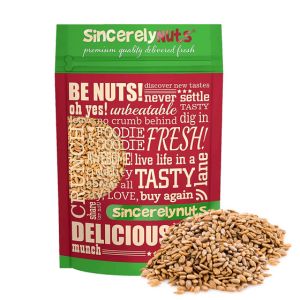
I love adding almonds and sunflower seeds to salads or smoothies. It’s an easy way to sneak in Vitamin E without overthinking it.
The B-complex vitamins, particularly B6, B9 (folate), and B12, are essential for energy production and immune regulation. They help your body make antibodies and maintain proper nervous system function, both of which directly influence immunity. Research from the Cleveland Clinic highlights the importance of these vitamins for maintaining a strong immune response.
For me, a daily smoothie with leafy greens and a scoop of protein powder is a simple way to boost B vitamins while also keeping my energy steady. If you’re looking to find a protein powder that works for you, check out my blog on Clean Protein Powders That Support Your Fitness Goals for some great options.
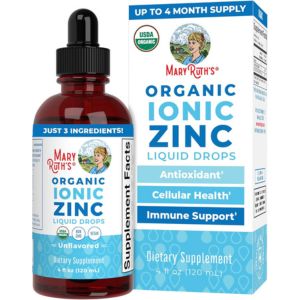
While technically a mineral, zinc is often grouped with the best natural vitamins for immunity because of its powerful effects on immune cell function. Even mild zinc deficiency can weaken immune defense. According to the National Institutes of Health, supplementation has been shown to shorten the duration of colds.
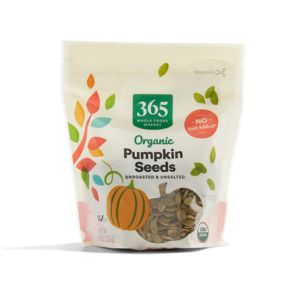
I always keep pumpkin seeds on hand—they’re one of my favorite zinc-rich snacks and double as a crunchy topping for oatmeal or yogurt.

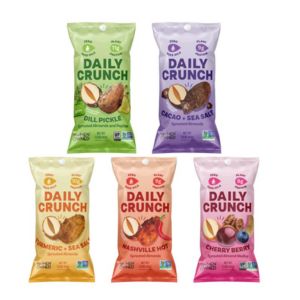
Knowing which vitamins support immunity is one thing, but actually making them part of your daily life is another. Instead of overhauling your diet all at once, start with small, sustainable changes. For example, try adding one extra serving of vegetables to your lunch or swapping your afternoon snack for something nutrient-dense. My blog on Grab and Go Snacks for Moms: Healthy Picks to Fuel You All Day has plenty of ideas to make this simple. Over time, these simple tweaks create a steady flow of immune-supporting nutrients without feeling overwhelming.
Another tip is to build routines that naturally encourage balance. A morning smoothie can cover several bases at once, or a weekly meal prep session can help ensure you don’t fall back on convenience foods when life gets busy. Consistency is key. Your immune system benefits most when it has reliable nutrient support, not when you load up only after you start feeling run down.
And while supplements can be helpful, they should complement—not replace—a nutrient-rich diet. Research from the Journal of Bone and Mineral Research shows vitamins are absorbed best when taken alongside whole foods, so aim to pair them with meals for better effectiveness. When in doubt, listen to your body and consider working with a healthcare provider to determine what’s right for your individual needs.
While vitamins for immunity are foundational, they work best when paired with healthy lifestyle habits. Getting 7–9 hours of quality sleep supports your body’s repair cycles, while proper hydration keeps every system—from digestion to circulation—running smoothly. Regular movement not only boosts circulation but also plays a powerful role in lowering stress. Research from the Mayo Clinic shows that exercise helps reduce stress hormones, improves mood, and strengthens the body’s natural defenses. If sleep is your biggest challenge, my blog on Creating Your Personal Bedtime Ritual shares simple ways to wind down at night so your body can recharge and stay resilient.
For me, this connection really hit home after having kids. I noticed that when my sleep was off or I skipped workouts for a week, I wasn’t just tired—I was more likely to get sick or feel run down. On the other hand, when I stuck to simple habits like walking daily, doing Pilates, and drinking enough water, I had more energy and resilience (even during the nonstop school-germ season!).
Think of it this way: your daily choices—movement, rest, nutrition—work in synergy with natural immune boosters to keep your body resilient year-round. It doesn’t have to be perfect or complicated; small, consistent habits truly add up to stronger immunity and better overall health.
Even the best natural vitamins for women and men aren’t one-size-fits-all. Signs of deficiency can include fatigue, frequent colds, hair loss, brittle nails, or even changes in mood. In some cases, supplements may be necessary—especially for nutrients like Vitamin D or B12, which are harder to get in sufficient amounts through food alone.
Professional guidance is especially important because taking too much of certain vitamins (like A, D, or E) can actually do more harm than good. A healthcare provider can run blood tests, identify deficiencies, and recommend safe dosages tailored to your needs.
Before starting a new supplement routine, check with your healthcare provider. They can help you create a personalized plan for natural immune support that keeps you feeling strong and balanced year-round.
The heavy-hitters include Vitamins C, D, A, E, and the B vitamins, along with minerals like Zinc. Each plays a different role—Vitamin C is great for fighting off colds, Vitamin D is a must for immune cell function, and B vitamins help with energy and antibody production. Personally, I like to think of them as a “team” rather than individual superheroes. When you get a variety of these nutrients consistently, your immune system has all the tools it needs to stay strong.
For many people, yes. Whole foods like fruits, vegetables, lean proteins, nuts, and whole grains are naturally packed with these nutrients. But the reality is that busy schedules and certain life stages (like pregnancy, postpartum, or even just long winters with less sun) can make it tough to meet every need through diet alone. I try to focus on nutrient-rich meals as my foundation, but I’ve also leaned on supplements during seasons when I knew my body needed extra support.
This is a marathon, not a sprint. Unlike caffeine, vitamins don’t give you an instant “jolt.” Instead, consistent intake over weeks (and ideally months) helps your body build up reserves and strengthen immune function over time. I noticed the difference most when I stayed steady with Vitamin D through the winter. It wasn’t about avoiding every sniffle, but I didn’t feel as wiped out when something did hit.
Generally, natural, food-based vitamins are absorbed more efficiently because they come packaged with other compounds that help your body use them. That said, high-quality supplements can absolutely fill in the gaps, especially for nutrients that are harder to get through a diet. I like to think of food first, supplements second—kind of like building a house: food is the foundation, supplements are the finishing touches.
Yes. In this case, more isn’t always better. Fat-soluble vitamins like A, D, and E can actually build up in the body and cause problems if you overdo it. Even with water-soluble vitamins, mega-dosing isn’t necessary and can sometimes cause side effects (like stomach upset). I remind myself it’s all about balance and consistency, not extremes. When in doubt, I’d rather check in with my doctor than try to guess—especially after I learned the hard way that doubling up on supplements “just in case” left me feeling worse, not better.
Supporting your immune system doesn’t have to be complicated. By focusing on the right nutrients, you can give your body the tools it needs to stay strong, energized, and resilient. Below, I’ve highlighted some of the most effective vitamins for immune system support—each one playing a unique role in protecting your health and helping you recover faster when life (or the latest bug) tries to slow you down.
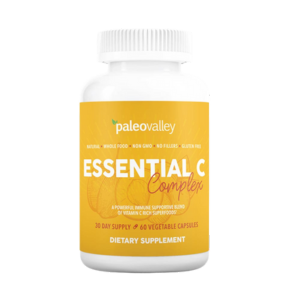
My go-to whole food–based vitamin C supplement made from superfoods like acerola cherry, camu camu, and amla berry. Unlike synthetic vitamin C, it provides a natural, easily absorbed source of antioxidants to support immune health, collagen production, and overall wellness.
A liquid, easy-to-take supplement designed to support immune health, skin, and overall cellular function. Its convenient format makes it simple to add to your daily routine, especially if you don’t love swallowing pills.
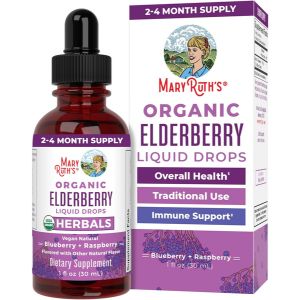
Delivers antioxidant-rich elderberry extract to help strengthen immune defenses and promote overall wellness. Known for its traditional use in supporting respiratory health, it’s a natural way to give your body extra protection during cold and flu season.
Harnesses the power of oregano oil, known for its natural antibacterial and antiviral properties. It’s often used to help the body fight off seasonal threats and support overall immune resilience, making it a go-to for natural immune support.
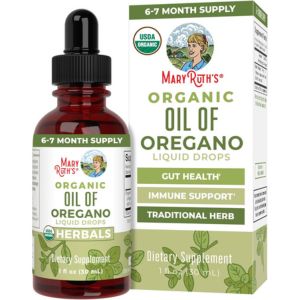
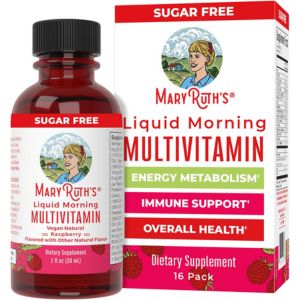
A daily multivitamin designed to fill nutrient gaps and keep your energy, immunity, and overall health on track. Packed with essential vitamins and minerals, it’s a simple way to support your body first thing in the morning and set the tone for a healthier day.
Combines key immune-supporting nutrients in a tasty, chewable gummy that makes daily wellness simple and enjoyable. With a blend of vitamins and antioxidants, it helps strengthen your body’s natural defenses while fitting seamlessly into even the busiest routines.
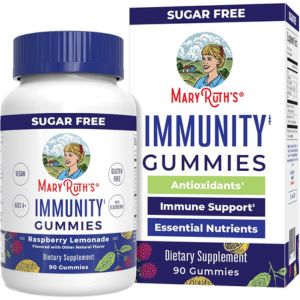
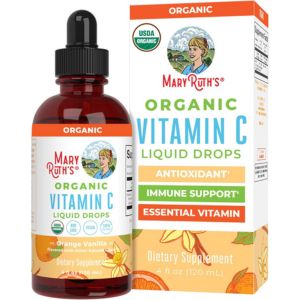
A liquid, plant-based Vitamin C supplement that supports immune health, collagen production, and antioxidant protection. Its easy-to-take format makes it simple to add to your daily wellness routine.
This vegan-friendly Vitamin D3 helps regulate immune function, support bone health, and boost energy levels—especially helpful during months with less sunshine.
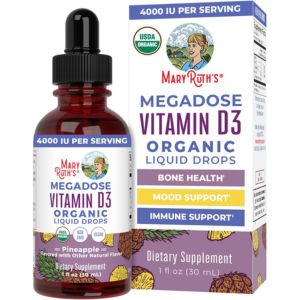
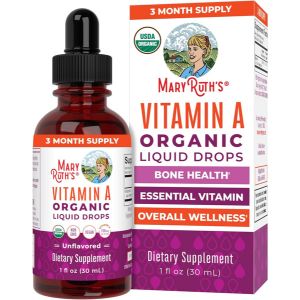
A clean, liquid form of Vitamin A designed to support eye health, skin, and immune defenses. Easy to absorb and a great option for those who prefer liquid over capsules.
An antioxidant-rich supplement that helps protect cells from oxidative stress while supporting skin and immune health. A trusted option for daily natural immune support.
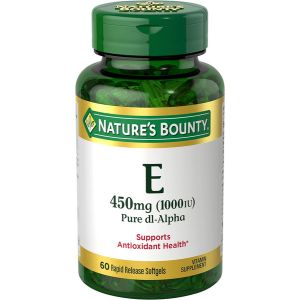
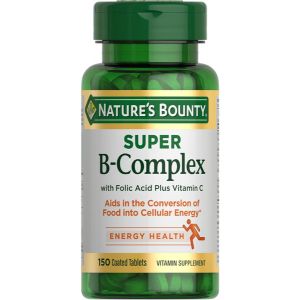
This B-Complex blend provides key B vitamins that support energy, metabolism, and immune regulation. A reliable choice for filling nutrient gaps and boosting vitality.
At the end of the day, your immune system thrives on consistency, balance, and a little extra support when life gets overwhelming. By focusing on the right vitamins for immune system support, pairing them with nutrient-rich foods, and weaving in healthy lifestyle habits, you’ll give your body what it needs to feel stronger and more resilient.
Remember, it’s not about being perfect—it’s about making small, sustainable choices that add up over time. For me, that looks like daily movement, quality sleep, and the right mix of natural immune support through food and supplements. Find what works best for you, stay consistent, and your immune system will thank you.
If you’re ready to take the next step, explore my top supplement picks and dive into some of my other wellness blogs for more ideas on building a healthy, energized life. Your body—and your future self—will be so glad you did.
Your Friend & Pilates Expert,

Kayla Brugger
Founder of PILATESBODY by Kayla
Founder of PILATESBODY On-Demand

Hi, I'm Kayla Brugger. Certified Pilates Instructor & Minnesota Mama of 2.